
Ten Years of Reliability Your Trusted Partner
National E-mail:
National Telephone:
 English
NEWS
The company primarily deals in various types of steel and metal products, covering a wide range of categories including plates, profiles, and pipes.
Carbon steel C channel price surged 18% in Q1 2026—driven by raw material volatility, tightening supply of hot rolled angle steel and carbon steel angle iron, and surging global demand for c beam steel and 4 u channel steel. As a leading exporter from China’s Liaocheng steel hub, Shandong Huamate Steel Co., Ltd. closely monitors pricing dynamics across key products including galvanised angle bar, mild steel angle iron, 1 angle iron, channel 150 x 75, and carbon steel angle. This analysis unpacks the drivers behind the jump—and what it means for procurement, project costing, and supply chain resilience.
What triggered the 18% price surge in Q1 2026?
Three interlocking factors converged to push carbon steel C channel prices upward sharply in early 2026. First, iron ore spot prices rose 22% YoY in January–March, driven by port congestion in Brazil and tighter export quotas from Australia—both key suppliers to Chinese blast furnaces. Second, domestic hot rolled coil (HRC) output in Shandong fell 7% MoM due to seasonal maintenance at three major mills near Jinan and Laiwu, reducing feedstock availability for downstream section rolling lines.
Third, global infrastructure stimulus accelerated: India approved ₹2.3 trillion ($27.8B) in road and rail upgrades; Saudi Arabia launched Phase II of NEOM with 45 new structural steel packages; and EU Green Deal funding for industrial retrofits increased tender volume for load-bearing C sections by 31% quarter-on-quarter. These forces compressed lead times for standard sizes like channel 150 x 75 from 21 days to 12–14 days—and pushed spot premiums above contract benchmarks.
For procurement teams, this isn’t just a cost blip—it signals structural pressure on mid-tier structural profiles. Unlike commodity plates or pipes, C channels require precise roll pass design and tighter dimensional tolerances (±0.8mm per EN 10056-1), limiting rapid capacity ramp-up. That makes proactive sourcing and buffer planning essential—not optional.
How does this impact real-world procurement decisions?
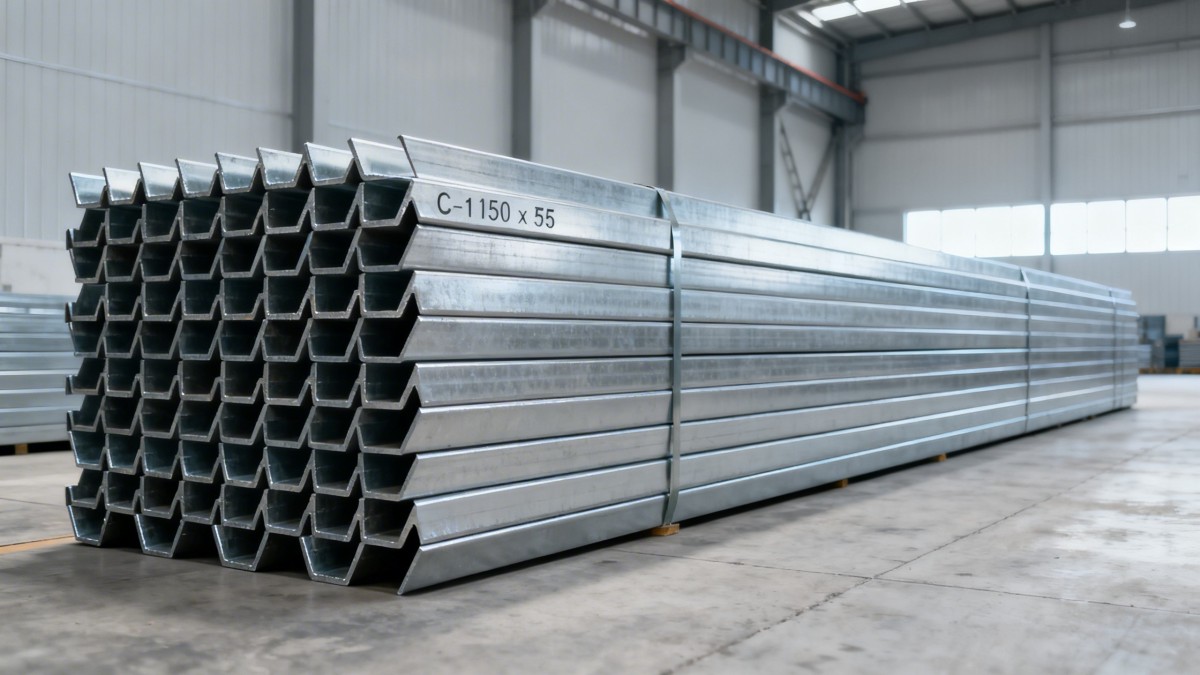
Procurement professionals face four immediate trade-offs when evaluating C channel orders today:
- Lead time vs. unit cost: Spot orders carry +14–18% premiums but deliver in ≤14 days; forward contracts lock in Q2 pricing but require 30-day deposits and fixed volumes (min. 25 MT).
- Standard vs. custom specs: Channel 150 x 75 and 200 x 75 account for 68% of regional demand—but non-standard widths (e.g., 180 x 65) trigger +9% processing surcharges and +10-day delays.
- Domestic vs. offshore sourcing: Liaocheng-based exporters like Huamate Steel offer FOB Qingdao delivery in 18–22 days with full mill traceability—vs. 35+ days from Vietnam or Turkey, where mill certifications (ISO 9001, EN 10219) are often third-party verified only upon request.
- Coated vs. bare stock: Galvanised angle bar and mild steel angle iron see rising demand for corrosion resistance, pushing zinc-coating add-ons (+$85–120/MT) and extending cycle time by 5–7 working days.
The table below compares typical procurement pathways for carbon steel C channels under current market conditions:
Choosing the right path hinges on project criticality: emergency repairs favor spot purchases; multi-phase infrastructure projects benefit from forward contracts; and long-term OEM supply agreements warrant certification-heavy offshore audits only if local capacity is fully booked.
Which alternatives offer cost stability without compromising performance?
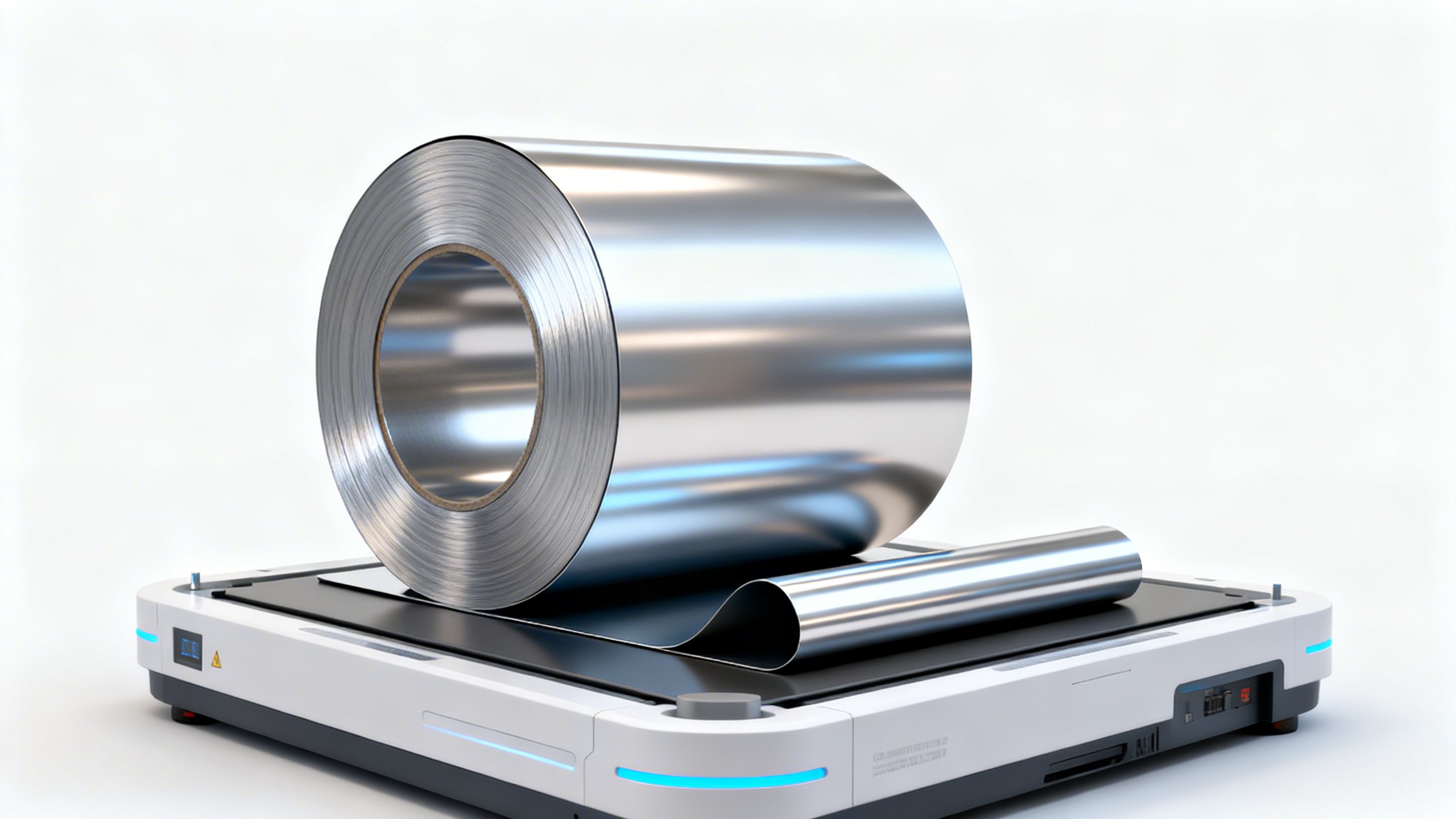
When C channel costs spike, engineers and procurement managers often explore substitutes—but not all deliver equivalent structural integrity or fabrication efficiency. Mild steel angle iron remains viable for bracing and light framing, especially where welding access is limited. For heavier loads, SPCD Galvanized Coil serves as a flexible base material for custom-fabricated channels, offering tighter thickness control (0.5–2.0mm) and consistent coating adhesion (Z275 grade).
However, substitution requires verification against design codes: ASTM A653 Grade CQ provides yield strength ≥270 MPa but lacks the flange stiffness of hot-rolled C sections. Meanwhile, carbon steel angle—particularly 1 angle iron—offers higher torsional rigidity than equal-weight flat bar, making it suitable for column gussets and ladder rungs where lateral buckling risk exists.
A practical rule of thumb: If your application requires moment resistance >12 kN·m or axial compression >85 kN, stick with hot-rolled C channels. For secondary supports, cladding frames, or modular scaffolding, galvanised angle bar or custom-rolled SPCD Galvanized Coil can reduce landed cost by 5–9% over 12 months—even with zinc premium.
Why partner with Huamate Steel for structural steel procurement?
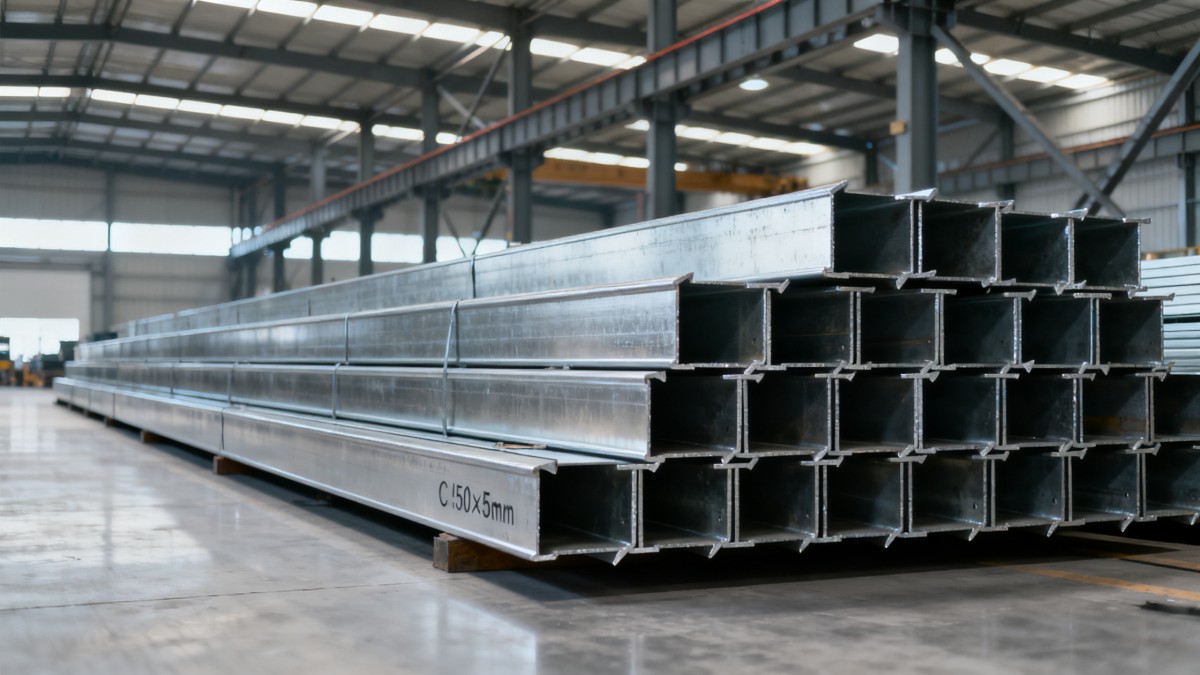
Based in Liaocheng—the heart of China’s largest steel pipe production base—Shandong Huamate Steel Co., Ltd. leverages vertical integration, mill partnerships, and export-ready logistics to de-risk structural steel procurement. We maintain direct supply agreements with 7 Class-A mills in Shandong and Hebei, ensuring guaranteed allocation for channel 150 x 75, carbon steel angle, and galvanised angle bar—regardless of spot volatility.
Our one-stop service includes: (1) technical review of drawings and loading specs within 48 hours; (2) EN 10204 3.1 MTC issuance with batch traceability; (3) coordinated sea/air freight from Qingdao, Tianjin, or Shanghai ports; and (4) customs documentation support for CE, GCC, or SONCAP markets. Average order-to-shipment cycle: 18 days for standard sizes, 25 days for galvanised variants.
We invite procurement managers, project engineers, and supply chain directors to request: (i) real-time pricing for channel 150 x 75 and carbon steel angle in Q2 2026; (ii) dimensional tolerance reports for EN 10056-1 compliance; (iii) sample kits with certified MTCs; or (iv) customized logistics plans for multi-destination shipments across Africa, the Middle East, or Southeast Asia.
FAQ: Key questions from procurement & engineering teams
How quickly can I get certified carbon steel C channel samples? Standard size samples (e.g., channel 150 x 75, 1m length) ship within 5 working days with EN 10204 2.2 MTC. Custom lengths or galvanised variants take 9–11 days.
Do you support mixed-container orders with plates, pipes, and profiles? Yes—we routinely consolidate up to 4 product categories per 20’ or 40’ container, optimizing cubic utilization and reducing per-ton freight cost by 11–15%.
What quality checks apply to galvanised angle bar before shipment? Every batch undergoes coating thickness measurement (Z275 min. 275g/m²), bend testing (no zinc flaking at 180°), and visual inspection per ASTM A123. Reports include salt-spray test duration (≥96 hrs).
Recent Posts
 Galvanized corrugated sheet price trends: Is hot-dip galvanizing still cost-effective vs. pre-painted alternatives?Apr 14, 2026
 H-beam steel manufacturer lead times doubled in 2026—what changed?Apr 14, 2026
 Worthington Steel Acquires 58% Stake in Klöckner & Co SE, Accelerating European Distribution Network IntegrationApr 13, 2026
 Southwest Steel Prices Drop for 3 Weeks, Weak Demand in ChengduApr 13, 2026
 Southern Steel to Acquire Ann Joo Steel for MYR 1.005B to Boost ASEAN Market PresenceApr 13, 2026
Leave a Message
Thank you for your interest in our products. "*" Indicates the Fields are Mandatory