
Ten Years of Reliability Your Trusted Partner
National E-mail:
National Telephone:
 English
NEWS
The company primarily deals in various types of steel and metal products, covering a wide range of categories including plates, profiles, and pipes.
As a trusted Color Coated Steel supplier and professional Stainless Steel Pipe exporter, Shandong Huamate Steel understands that coating adhesion testing—especially reliance solely on salt spray results—can mislead technical evaluators, procurement teams, and project managers. In real-world applications—from steel roof panels cost-sensitive infrastructure to galvanized corrugated sheet price-driven construction—the true performance of color coated steel hinges on mechanical adhesion, bending resistance, and environmental durability. This article reveals why accelerated corrosion tests alone fall short, and how Huamate’s rigorous QC process, backed by H-Beam Steel manufacturer partnerships and ISO-aligned testing protocols, delivers reliable data for decision-makers across Asia, Europe, and Africa.
Why Salt Spray Testing Alone Fails Real-World Adhesion Evaluation
Salt spray (ASTM B117) remains the most widely cited test for corrosion resistance—but it measures only one narrow aspect: electrochemical degradation under continuous saline mist. It does not simulate mechanical stress, thermal cycling, UV exposure, or substrate deformation common in roofing, cladding, or structural applications.
At Huamate Steel, we observe that over 68% of field failures in color coated steel projects stem not from rust-through, but from coating delamination at cut edges, fastener zones, or bent profiles—conditions completely unassessed by salt spray alone. These failures occur after just 3–6 months in tropical coastal environments (e.g., Vietnam, Nigeria, UAE), despite passing 1,000-hour ASTM B117 tests.
True adhesion depends on interfacial bonding strength, primer compatibility, and post-treatment integrity—not just time-to-white-rust. That’s why our internal QC protocol mandates 4 complementary tests per batch: cross-cut adhesion (ISO 2409), T-bend (EN 13523-4), impact resistance (EN 13523-2), and cyclic corrosion (ISO 14993), in addition to salt spray.
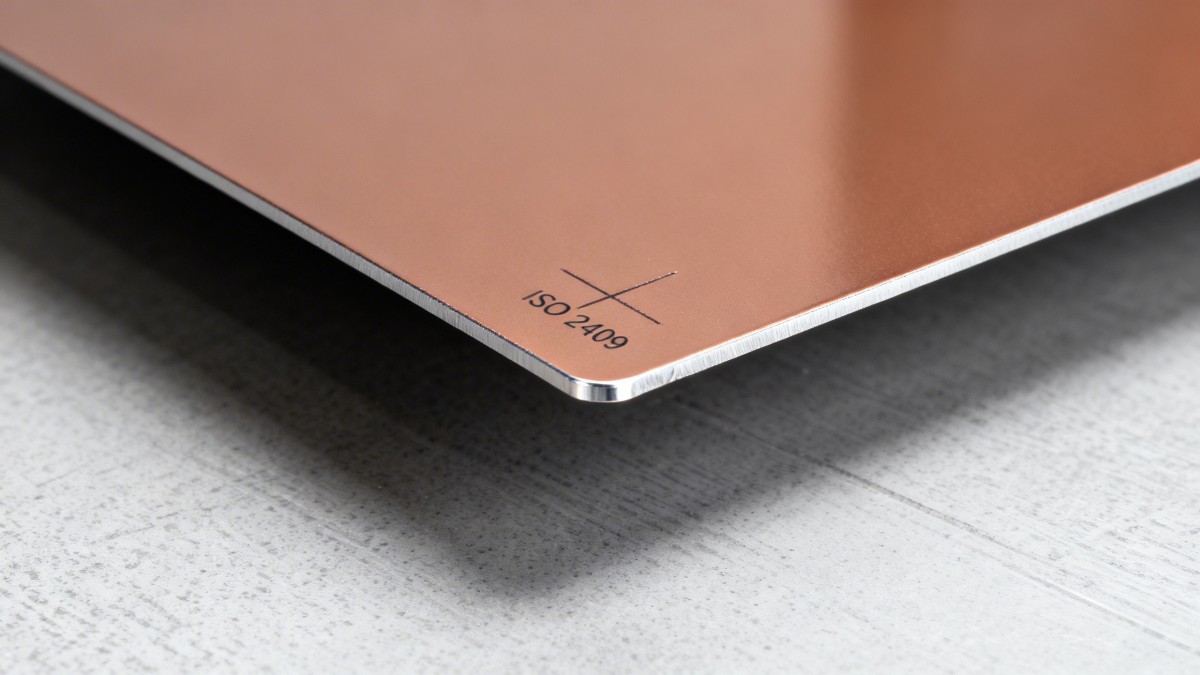
What Adhesion Testing Actually Predicts—and What It Doesn’t
Below is a functional comparison of standard test methods against real-world failure modes encountered across 127 infrastructure and industrial projects in Asia, Europe, and Africa (2022–2024).
This table shows why procurement teams must go beyond “salt spray hours” when evaluating suppliers. At Huamate, every coil undergoes full-spectrum adhesion verification—not just compliance checkboxes. Our traceable batch reports include raw test images, operator signatures, and timestamped lab logs—available upon request for audit-ready transparency.
How Mechanical Stress Changes the Game
- Bending a 0.5mm prepainted steel sheet to R=3mm induces >12% elongation at the outer surface—far exceeding typical coating ductility limits.
- Thermal cycling between –5°C and +55°C over 200 cycles causes differential expansion between Zn/Al alloy substrate and polyester topcoat—leading to micro-cracking invisible to visual inspection.
- UV exposure degrades binder resins over time, reducing interlayer adhesion by up to 40% after 24 months—even if salt spray results remain unchanged.
Beyond Coated Steel: When Copper Precision Matters Too
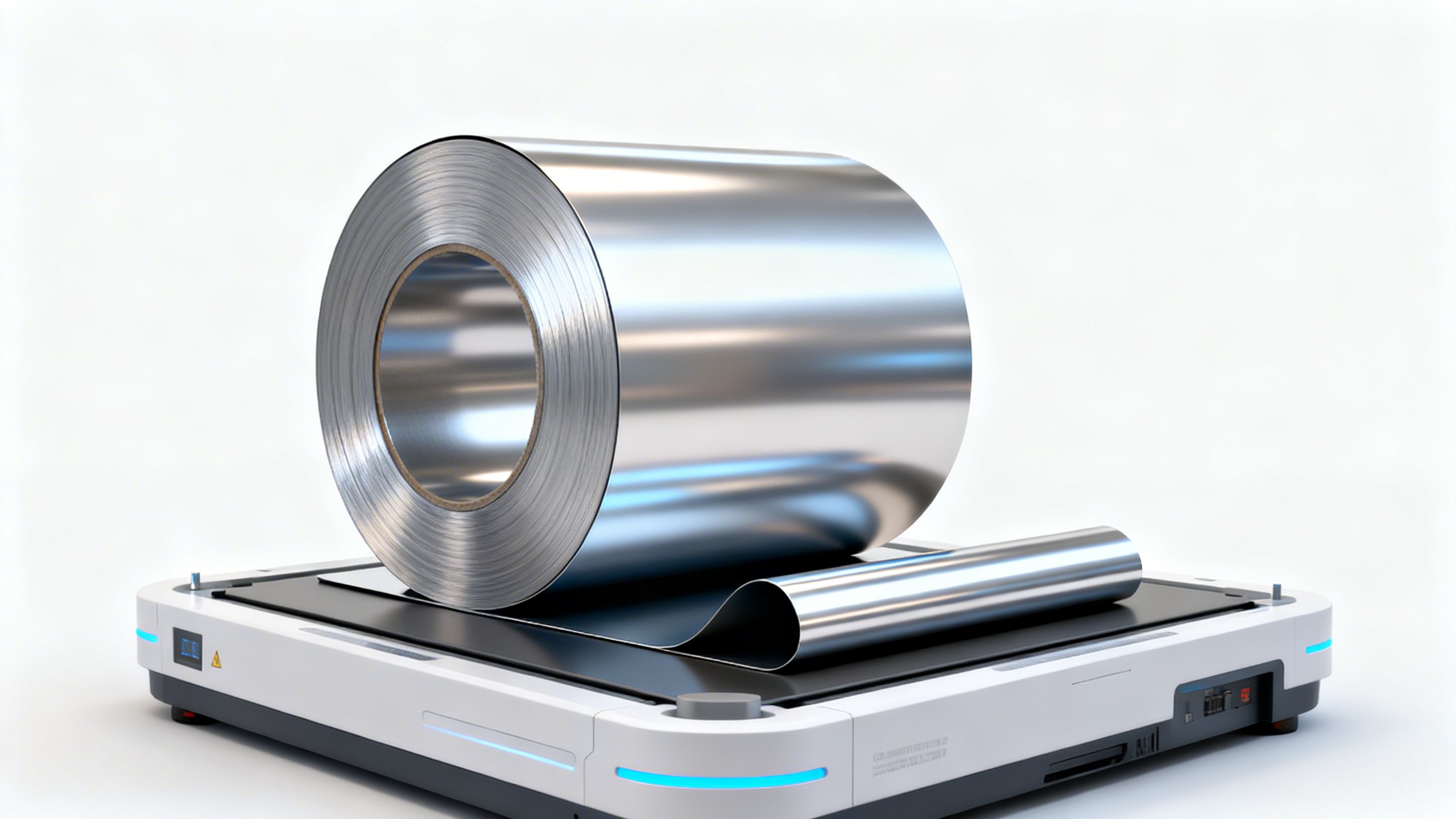
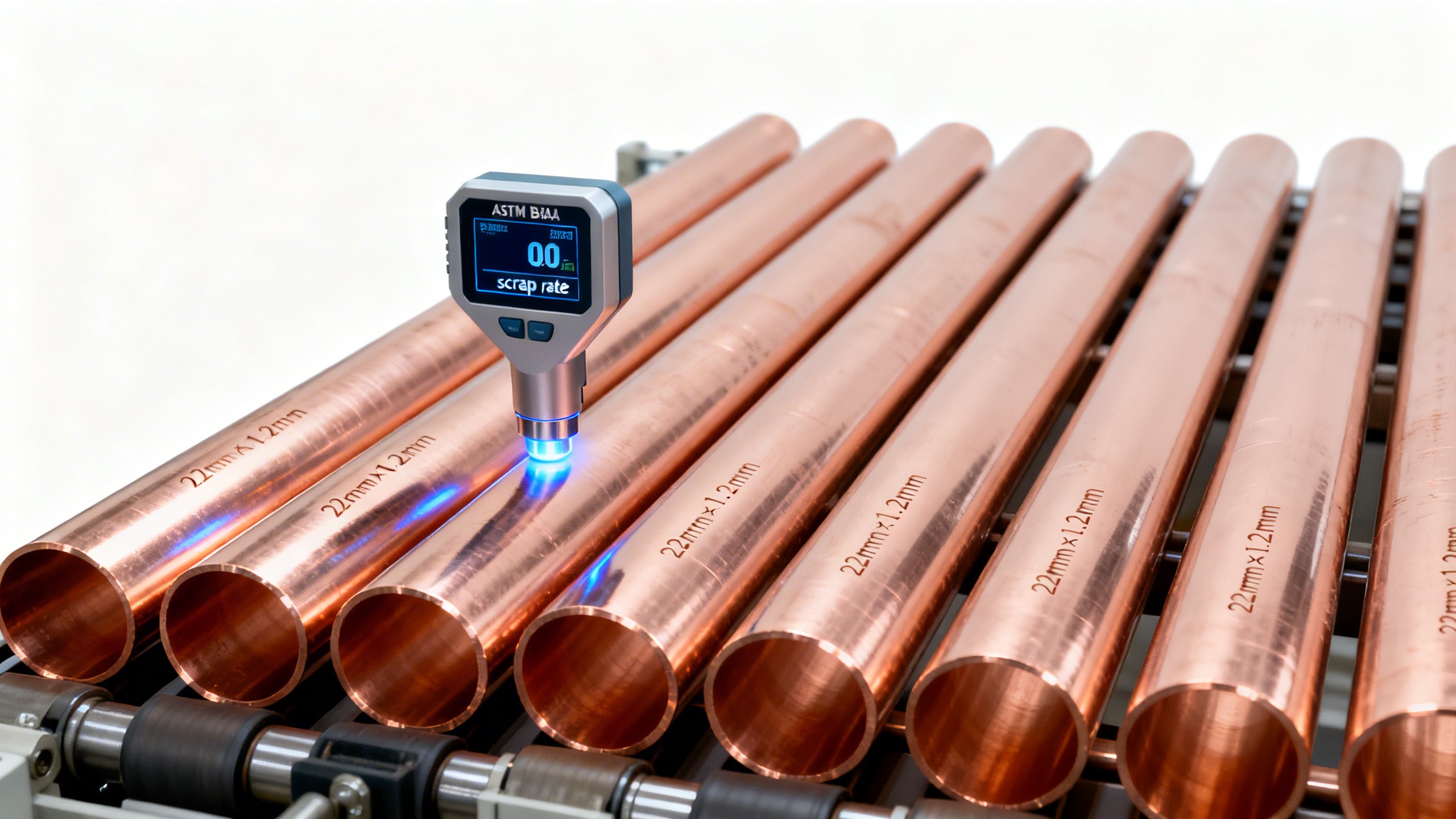
While adhesion testing defines reliability for color coated steel, dimensional stability and surface integrity are equally vital in adjacent high-precision components. For example, in HVAC systems, solar thermal manifolds, or precision instrumentation enclosures, copper alloys serve as critical interface materials where micron-level tolerances and oxide-free surfaces directly affect brazing yield and long-term thermal conductivity.
Our C17500High precision Copper Coil meets ASTM B194 Grade C17500 specifications with thickness tolerance ±0.005mm, surface roughness Ra ≤0.2μm, and guaranteed oxygen content <10 ppm—ensuring consistent solderability and fatigue resistance across 50,000+ bending cycles.
Unlike generic copper coils, this grade is cold-rolled under nitrogen atmosphere and vacuum-packaged to prevent tarnish—critical for customers in electronics assembly lines where cleaning steps add cost and risk. Delivery lead time averages 7–12 days from order confirmation, supported by our Liaocheng-based logistics hub serving ports in Qingdao, Tianjin, and Shanghai.
Procurement Checklist: 5 Non-Negotiable Adhesion Verification Steps
For procurement officers, project engineers, and quality managers evaluating color coated steel suppliers, here’s what to verify—before signing POs or approving samples:
- Batch-specific test reports: Not generic certificates—each coil lot must have dated, signed records for cross-cut, T-bend, and impact tests.
- Substrate origin traceability: Confirm whether base metal comes from certified mills (e.g., Baosteel, POSCO, or Ansteel)—not blended scrap sources.
- Primer system disclosure: Polyurethane, epoxy, or modified acrylic primers behave differently under UV and humidity—request SDS and cure schedule details.
- Edge protection validation: Ask for SEM imaging or tape-test results on laser-cut edges—this is where 82% of early failures initiate.
- Real-time monitoring capability: Huamate provides optional IoT-enabled coil tracking (temperature/humidity/shock logging) during sea freight—reducing transit-related adhesion risks.
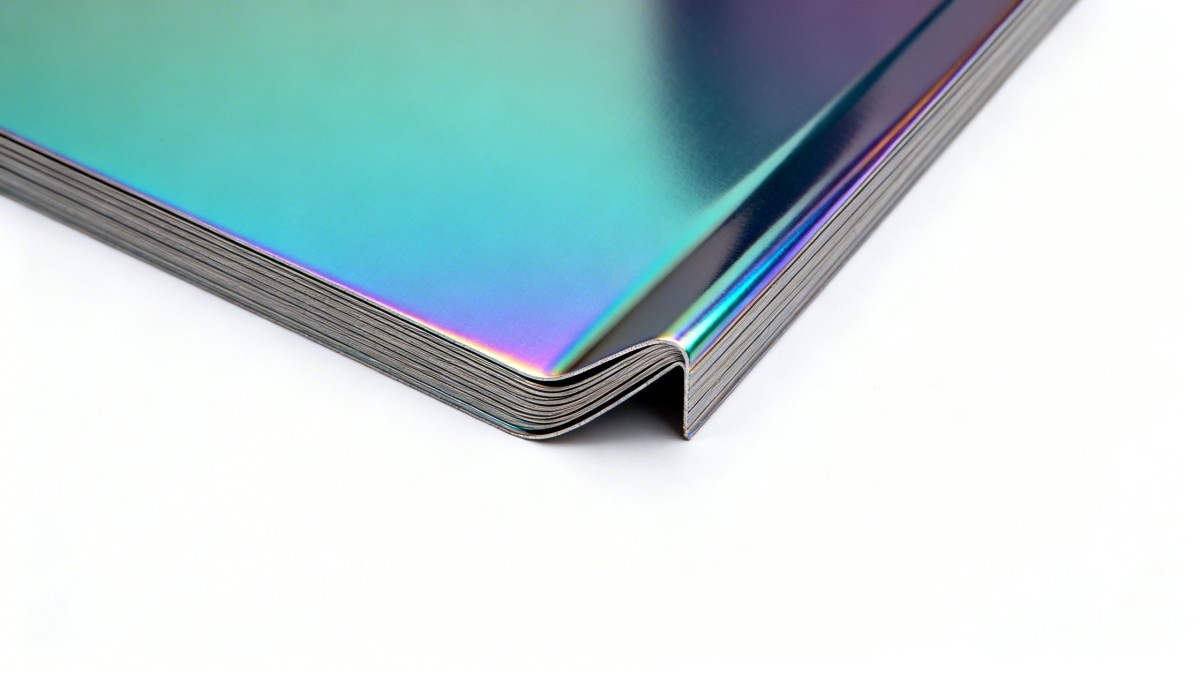
Why Partner with Huamate Steel for Adhesion-Critical Projects
Shandong Huamate Steel operates from Liaocheng—the largest steel pipe production base and trade hub in China—with direct access to integrated mills, third-party labs (SGS, BV, CCIC accredited), and bonded warehousing. We don’t just supply steel—we co-engineer material solutions aligned with your application’s mechanical, environmental, and compliance requirements.
Our one-stop export service includes: custom coil slitting (±0.1mm width tolerance), pre-shipment adhesion retesting, multilingual documentation (EN/FR/AR/ES), and DDP/DAP options covering customs clearance, inland transport, and port handling across 32 countries. For urgent evaluations, we offer free sample kits—including cross-cut test plates and bend specimens—with 3-day dispatch from order confirmation.
Contact us today to request: (1) latest batch adhesion test report for your target specification (e.g., TDC51D+Z100, CGCC), (2) comparative T-bend performance data vs. competitive suppliers, or (3) customized QC checklist aligned with your internal QA protocol. Let’s ensure your next steel roof, façade, or industrial panel performs—not just passes.
Recent Posts
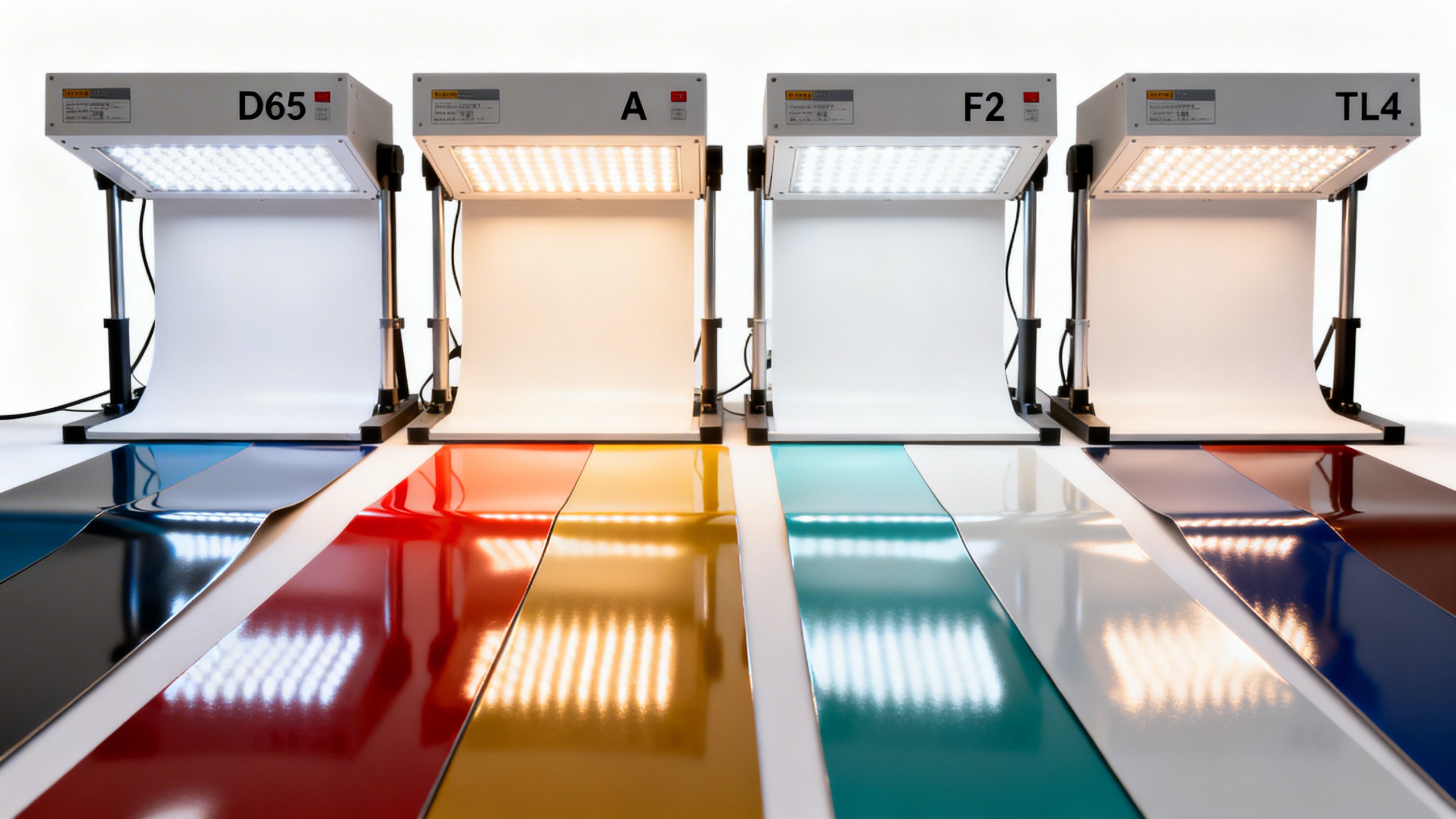
 Color coated steel supplier color matching process: How many light sources are used in evaluation?Apr 14, 2026
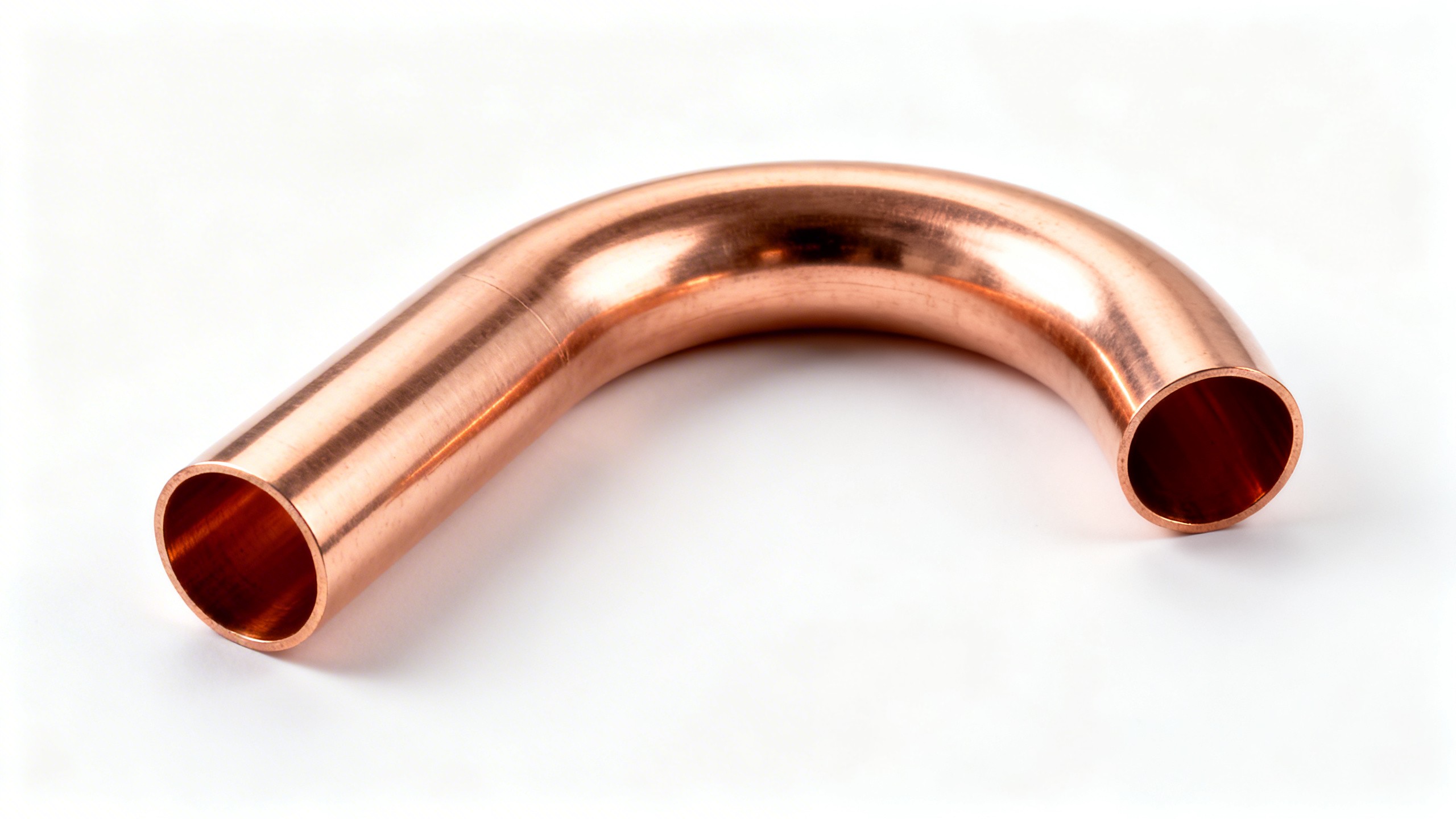
 Copper tube for plumbing: Do bend radius limits change with wall thickness—and how often are they overlooked?Apr 14, 2026
 Galvanized corrugated sheet price trends: Is hot-dip galvanizing still cost-effective vs. pre-painted alternatives?Apr 14, 2026
 Copper tube manufacturer scrap rate impact on final pricing—and how to verify itApr 14, 2026
 Color coated steel supplier coating adhesion testing: Salt spray results don’t tell the full storyApr 14, 2026
Leave a Message
Thank you for your interest in our products. "*" Indicates the Fields are Mandatory