
Ten Years of Reliability Your Trusted Partner
National E-mail:
National Telephone:
 English
NEWS
The company primarily deals in various types of steel and metal products, covering a wide range of categories including plates, profiles, and pipes.
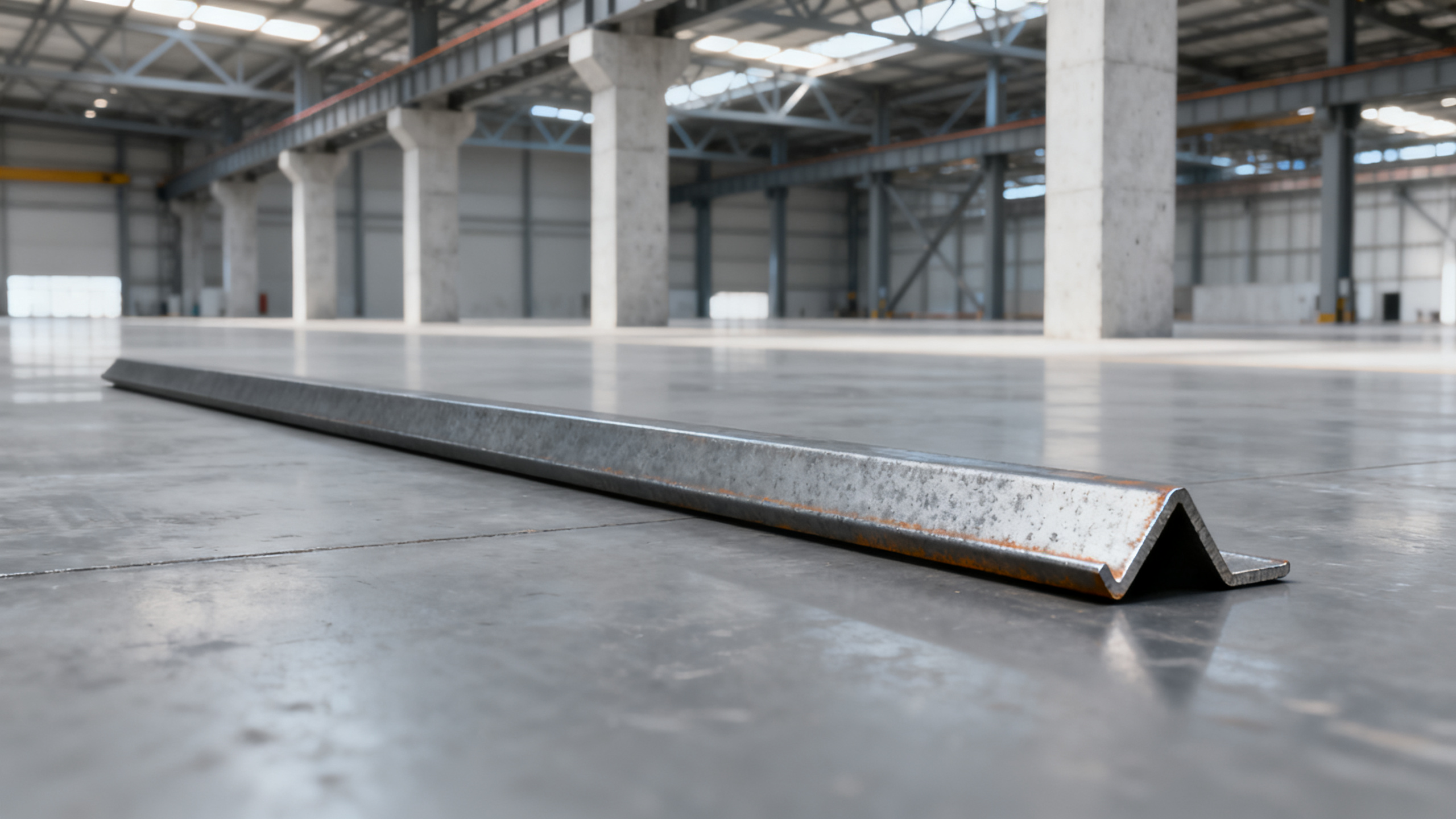
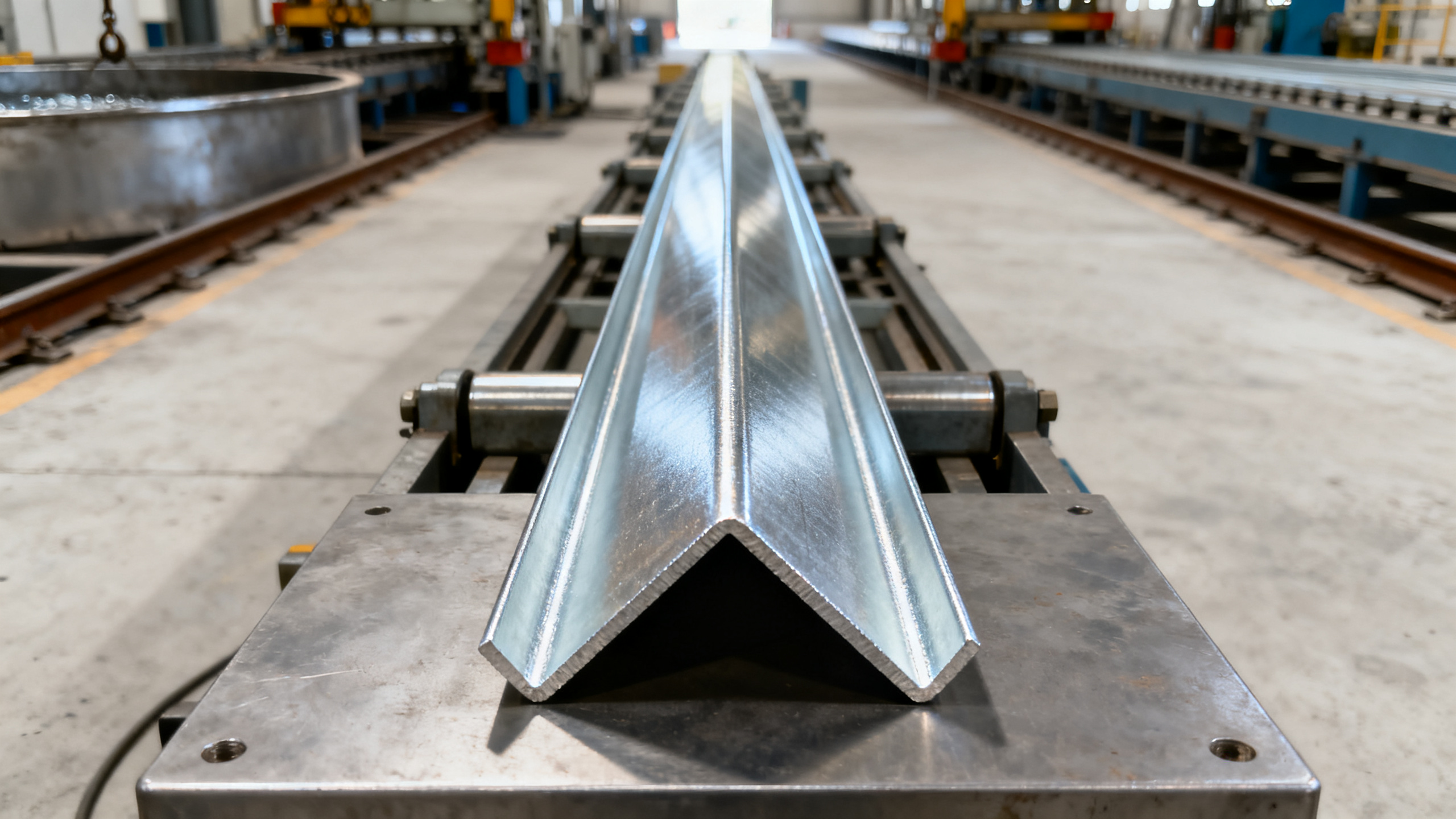
Galvanised angle bar is widely specified—whether as hot rolled angle steel, mild steel angle iron, or carbon steel angle—yet its zinc coating thickness isn’t uniform across corners and flats. This variation impacts corrosion resistance, service life, and compliance for applications ranging from structural framing (C beam steel, carbon steel C channel) to civil infrastructure (channel 150 x 75, 4 U channel steel). As a trusted supplier of galvanised angle bar and carbon steel angle iron—including standard sizes like 1 angle iron—Shandong Huamate Steel ensures transparency in coating performance, supporting technical evaluation, procurement due diligence, and project-level quality assurance.
Why Zinc Thickness Varies Across the Section — Not a Defect, But Physics
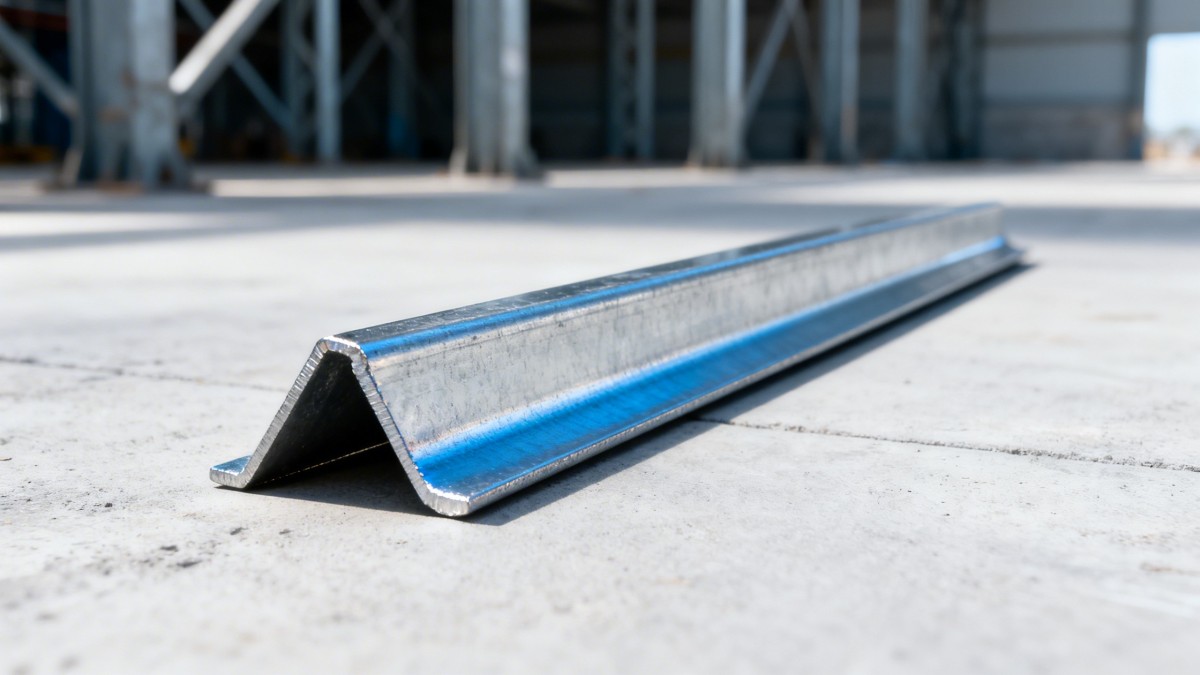
The non-uniformity of zinc coating on galvanised angle bar arises from fundamental metallurgical and thermal dynamics during hot-dip galvanising. Corners experience higher heat retention and slower cooling than flat surfaces—leading to thicker zinc accumulation (typically 85–120 µm) at the apex and thinner coverage (55–80 µm) along the leg faces. This is consistent with ISO 1461:2009, which permits ±30% variation across section geometry without compromising minimum average coating mass (e.g., 610 g/m² for steel >6 mm thick).
Unlike electroplated coatings, hot-dip galvanising forms a metallurgical bond via zinc-iron alloy layers (Gamma, Delta, Zeta). The corner’s increased surface area and localized thermal inertia promote deeper alloying and greater zinc flow—resulting in measurable thickness gradients confirmed by cross-sectional microscopy and magnetic induction testing (ASTM E376).
For structural integrity, this gradient is functionally beneficial: corners bear higher stress concentrations and are more vulnerable to mechanical abrasion and environmental exposure. Thicker zinc there extends time-to-first-rust by up to 40% in coastal or industrial atmospheres (ISO 9223 classification C4/C5), directly enhancing service life in frameworks, transmission towers, and marine-access platforms.
Key Physical Drivers of Coating Variation
- Thermal mass differential: Corner radii retain heat 2–3× longer than flat legs during withdrawal from molten zinc bath (450°C).
- Zinc fluidity & drainage: Gravity-driven zinc flow slows at acute angles, increasing dwell time and deposition.
- Surface roughness: Hot-rolled angle steel’s mill scale removal leaves micro-etch patterns that anchor zinc preferentially at edges.
- Alloy layer growth kinetics: Fe–Zn intermetallic formation accelerates at elevated local temperatures—most pronounced at corners.
How Variation Affects Real-World Performance & Compliance
Uniform thickness is neither required nor achievable per international standards—but minimum local thickness *is* enforceable. ISO 1461 specifies that no single point on any surface may fall below 40 µm for steel ≥6 mm thick, and the average across five test points must meet the class-specific mass requirement (e.g., 610 g/m²). Shandong Huamate Steel applies dual-point verification: magnetic thickness gauges (per ASTM B499) on both corners and flats, plus destructive cross-section analysis for batch certification.
In practice, under-specification risks premature red rust at flat surfaces—especially where paint overcoating is applied without proper surface profiling. Over-specification (e.g., excessive corner buildup >140 µm) increases brittleness and spalling risk during bending or welding. Our QC team validates every shipment against EN 10365:2017 dimensional tolerances and ISO 1461 adhesion requirements (tape test per ASTM D3359).
This table reflects typical production data from our Liaocheng facility—where we leverage China’s largest integrated steel pipe hub to source hot-rolled angle billets from mills certified to GB/T 706–2016 and ASTM A6/A6M. Consistency is enforced through 100% pre-galvanising surface inspection and post-process thickness mapping across 3 zones per bar length (start/middle/end).
Procurement Checklist: What to Verify Before Ordering Galvanised Angle Bar
Procurement teams must move beyond “galvanised = corrosion-proof” assumptions. For projects demanding long-term reliability—especially in chemical plants, offshore terminals, or high-humidity infrastructure—these 5 verification steps are non-negotiable:
- Request full test reports covering thickness mapping (min/avg/max per zone), adhesion, and coating mass—not just pass/fail stamps.
- Confirm substrate grade and mill origin: Hot-rolled carbon steel (Q235B, S235JR, ASTM A36) yields more predictable galvanising than cold-formed alternatives.
- Specify dimensional tolerance class: EN 10365:2017 Class A (±0.5 mm leg thickness) ensures fit-for-purpose assembly in bolted frames.
- Verify post-galvanising handling protocols: Bars must be racked vertically for 24–48 hours to prevent zinc pooling and streaking.
- Require traceability: Each bundle should carry QR-coded tags linking to mill heat number, galvanising batch ID, and third-party lab report (SGS/BV available on request).
Shandong Huamate Steel provides all documentation digitally within 24 hours of shipment confirmation—and supports joint inspections at our Liaocheng warehouse prior to loading. We also supply 1023 Cold Rolled Steel Coil for customers requiring base material traceability for critical weldments.
Why Partner With Huamate Steel for Technical Confidence & Supply Certainty
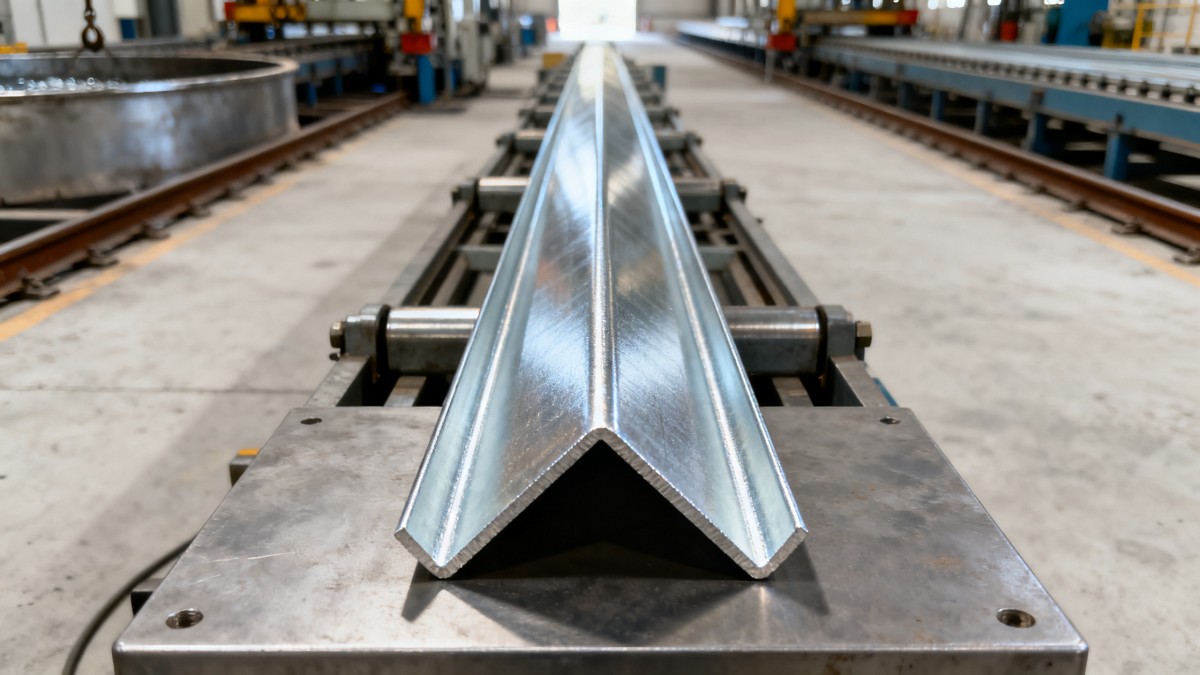
As a professional steel trading enterprise rooted in Liaocheng—the heart of China’s steel pipe industry—we combine deep supply chain access with export-grade discipline. Our partnerships with top-tier mills (Baosteel, Shougang, Tangshan Iron & Steel) ensure raw material consistency, while our in-house galvanising QA lab performs 12+ daily thickness checks using calibrated Elcometer 456 probes.
From your first inquiry, you’ll engage a dedicated foreign trade specialist fluent in EN 10025, ASTM A123, and INCOTERMS® 2020—capable of aligning delivery schedules (standard lead time: 15–25 days ex-warehouse), certifying packaging for sea freight (ISPM 15 compliant), and arranging pre-shipment SGS inspection at no extra cost for orders >20 MT.
Whether you need custom-cut galvanised angle bar for a Nairobi power substation, corrosion-resistant C channel for a Rotterdam port upgrade, or bulk carbon steel angle iron for a Riyadh infrastructure tender—we deliver verified performance, not just compliance paperwork. Contact us today to request: (1) coating thickness validation protocol, (2) sample batch report, (3) lead time for your target size (e.g., 100×100×10 mm), or (4) logistics quotation to your nominated port.
Recent Posts
 Angle steel bending radius limits depend more on thickness than grade—here’s whyApr 14, 2026
 Seamless pipe surface finish isn’t just cosmetic—it affects flow efficiency and fatigue lifeApr 14, 2026
 Yunling Metals Updates Copper Alloy Sheet Prices, Boosts Export CapabilitiesApr 13, 2026
 Hot rolled angle steel tolerances widen near ends—how much extra trimming is typical?Apr 13, 2026
 Galvanised angle bar looks uniform—but zinc thickness varies across corners. Here’s why.Apr 13, 2026
Leave a Message
Thank you for your interest in our products. "*" Indicates the Fields are Mandatory