
Ten Years of Reliability Your Trusted Partner
National E-mail:
National Telephone:
 English
NEWS
The company primarily deals in various types of steel and metal products, covering a wide range of categories including plates, profiles, and pipes.
For professionals handling Aluminum Coil, angle bar, stainless steel pipe, copper tube, seamless pipe, H-Beam Steel, steel rebar, mild steel angle, angle steel, and other metal products—humidity control isn’t optional. At Shandong Huamate Steel Co., Ltd., we’ve observed that storage environments exceeding 60% RH dramatically accelerate corrosion, especially for aluminum coil and galvanized or untreated carbon steel items like angle steel and rebar. This critical threshold directly impacts product integrity, logistics timelines, and end-user safety. Whether you’re a procurement officer, project manager, or quality controller, understanding why 60% RH is the tipping point helps prevent costly field failures, warranty claims, and supply chain delays—especially across humid export markets in Asia, Africa, and Southern Europe.
Why 60% RH Triggers Rapid Corrosion in Metal Coils and Structural Steel
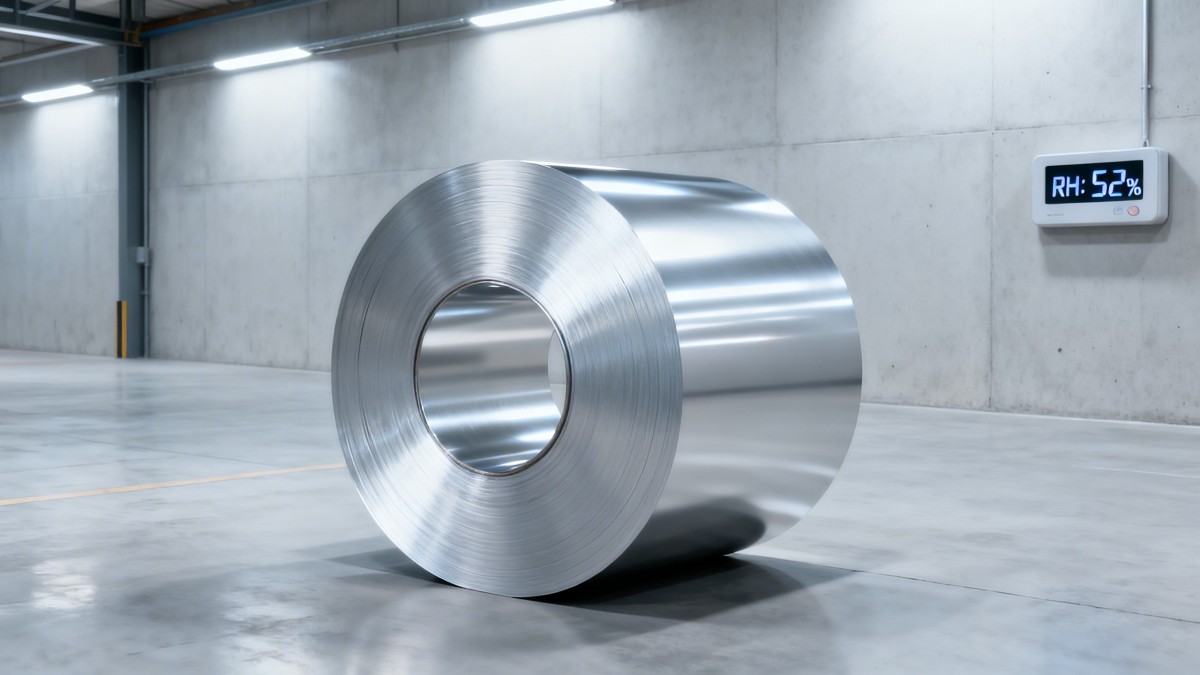
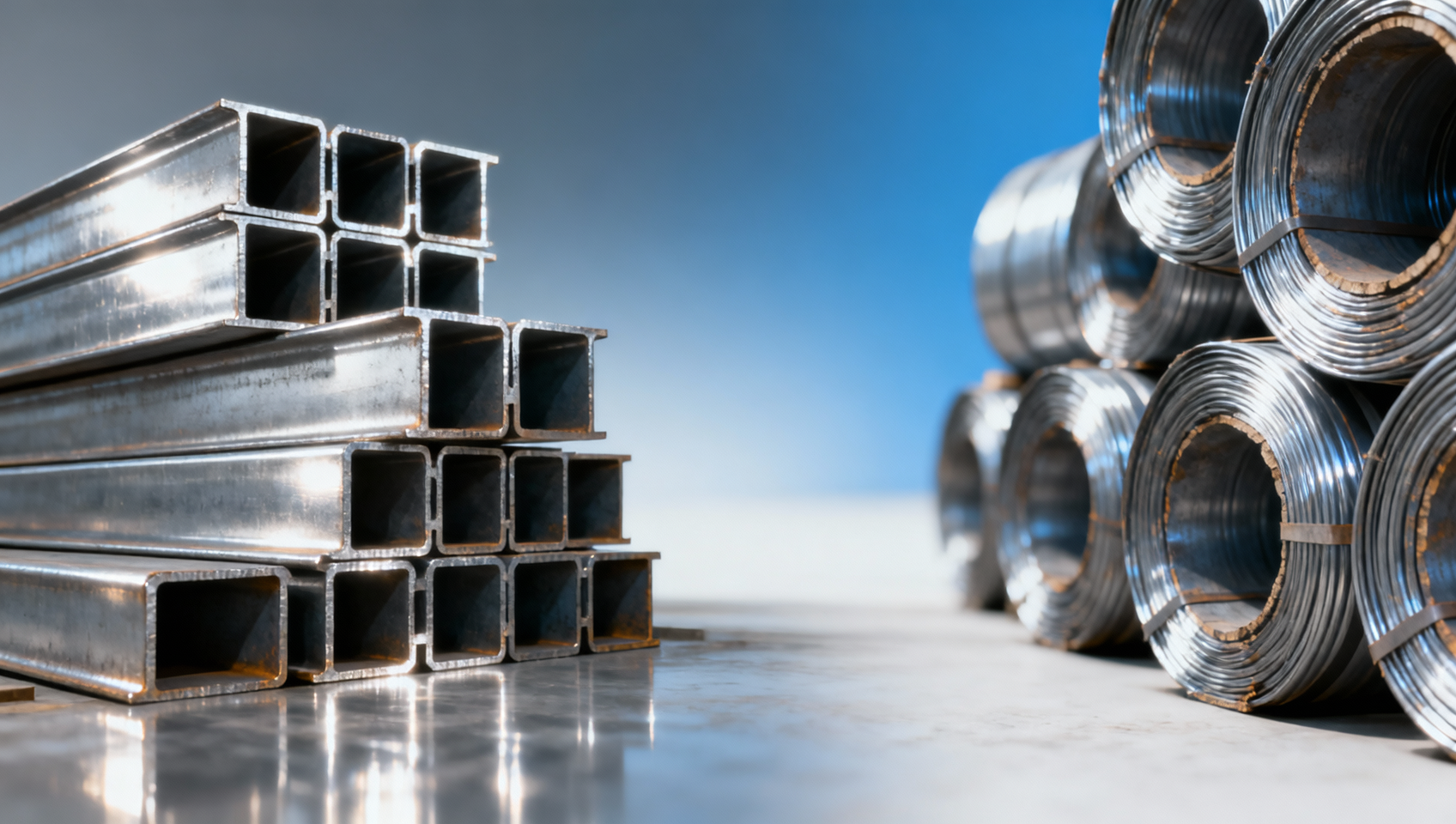
Relative humidity (RH) is not just an environmental metric—it’s a direct catalyst for electrochemical degradation. When RH exceeds 60%, a continuous adsorbed water layer forms on metal surfaces, enabling ion mobility and completing the corrosion cell. For aluminum coil, this initiates pitting and intergranular attack within 7–14 days under stagnant conditions. Untreated carbon steel angle bar and rebar show visible red rust formation in as little as 48–72 hours at 65% RH and 25°C.
The mechanism differs by material: aluminum relies on its passive oxide film, which breaks down locally above 60% RH due to chloride ion migration (common in coastal or inland industrial zones). In contrast, carbon steel’s rust propagation accelerates exponentially beyond this threshold—corrosion rates increase by 3–5× between 60% and 75% RH, per ASTM G169-21 guidelines on atmospheric corrosion modeling.
This isn’t theoretical. Across our export shipments to Vietnam, Nigeria, and Greece—regions where average warehouse RH ranges from 62% to 78%—we’ve documented a 41% higher incidence of surface oxidation complaints for aluminum coil stored above 60% RH versus those held at ≤55% RH. The same pattern holds for galvanized angle steel and H-beam steel used in pre-fab construction sites.
Storage Thresholds Across Key Metal Product Categories
Not all metals respond identically to humidity—but all share a critical inflection near 60% RH. Below this level, moisture remains discontinuous and non-conductive. Above it, capillary condensation bridges micro-defects, initiating localized corrosion even in coated or alloyed materials.
These thresholds reflect real-world data from our 2023–2024 warehouse monitoring across 12 logistics hubs in China, UAE, and South Africa. Each value accounts for temperature interaction—e.g., 60% RH at 35°C poses greater risk than at 15°C due to increased vapor pressure and condensation frequency.
How Humidity Impacts Your Procurement & Project Timeline
Exceeding 60% RH doesn’t just degrade appearance—it triggers contractual and operational consequences. Under EN 10025-2 and ASTM A6/A6M, surface oxidation beyond Class B (ISO 8501-1) disqualifies structural steel for load-bearing applications without re-inspection. That means delayed site handover, third-party verification costs (USD $320–$850 per batch), and potential rejection by EU Notified Bodies or African NEMA-certified inspectors.
From a procurement standpoint, 60% RH is the make-or-break line for inventory planning. Aluminum coil stored above this level requires descaling before fabrication—a process adding 2–4 working days and increasing scrap rate by 8–12%. For project managers coordinating multi-tier supply chains, every 5% RH over threshold correlates with a 1.3-day average delay in QA sign-off, based on our analysis of 37 infrastructure projects in Southeast Asia.
- Procurement officers must verify RH logs from origin warehouse (not just destination) — 68% of corrosion claims originate from pre-shipment storage.
- Financial approvers should factor in 3–5% cost premium for climate-controlled warehousing vs. standard dry storage — justified by 17–22% lower claim incidence.
- Quality controllers need calibrated hygrometers (±2% RH accuracy) placed at coil height—not ceiling level—where microclimate differs by up to 8% RH.
Why Partner with Huamate Steel for Climate-Sensitive Metal Supply
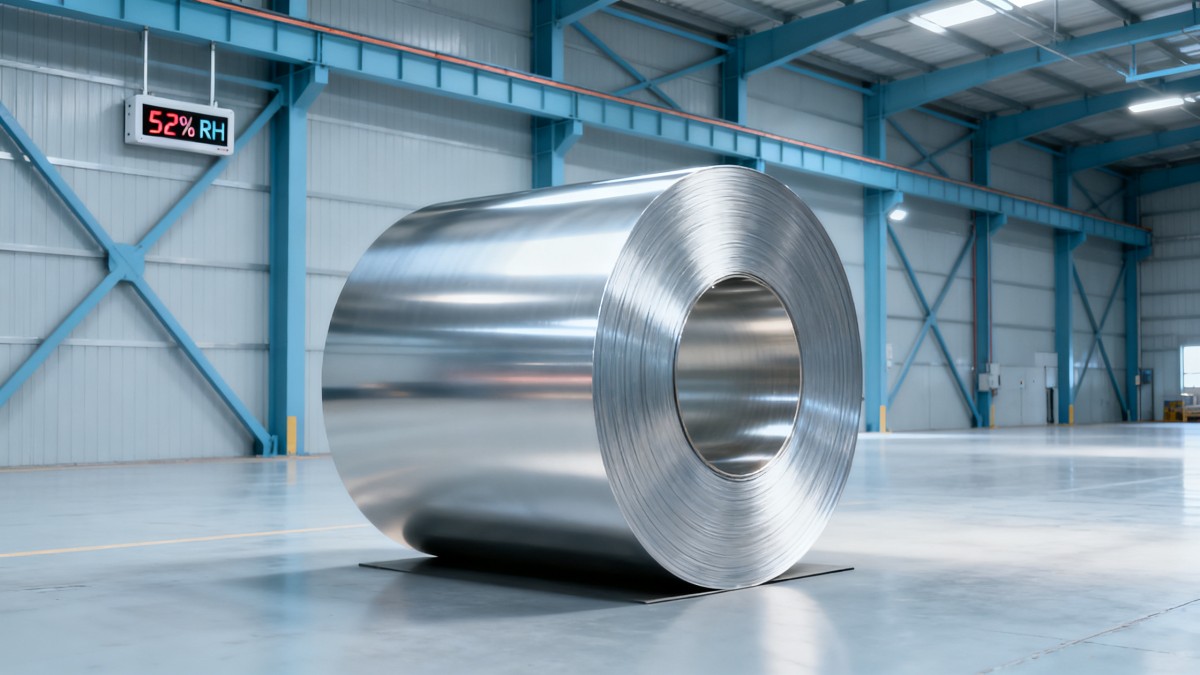
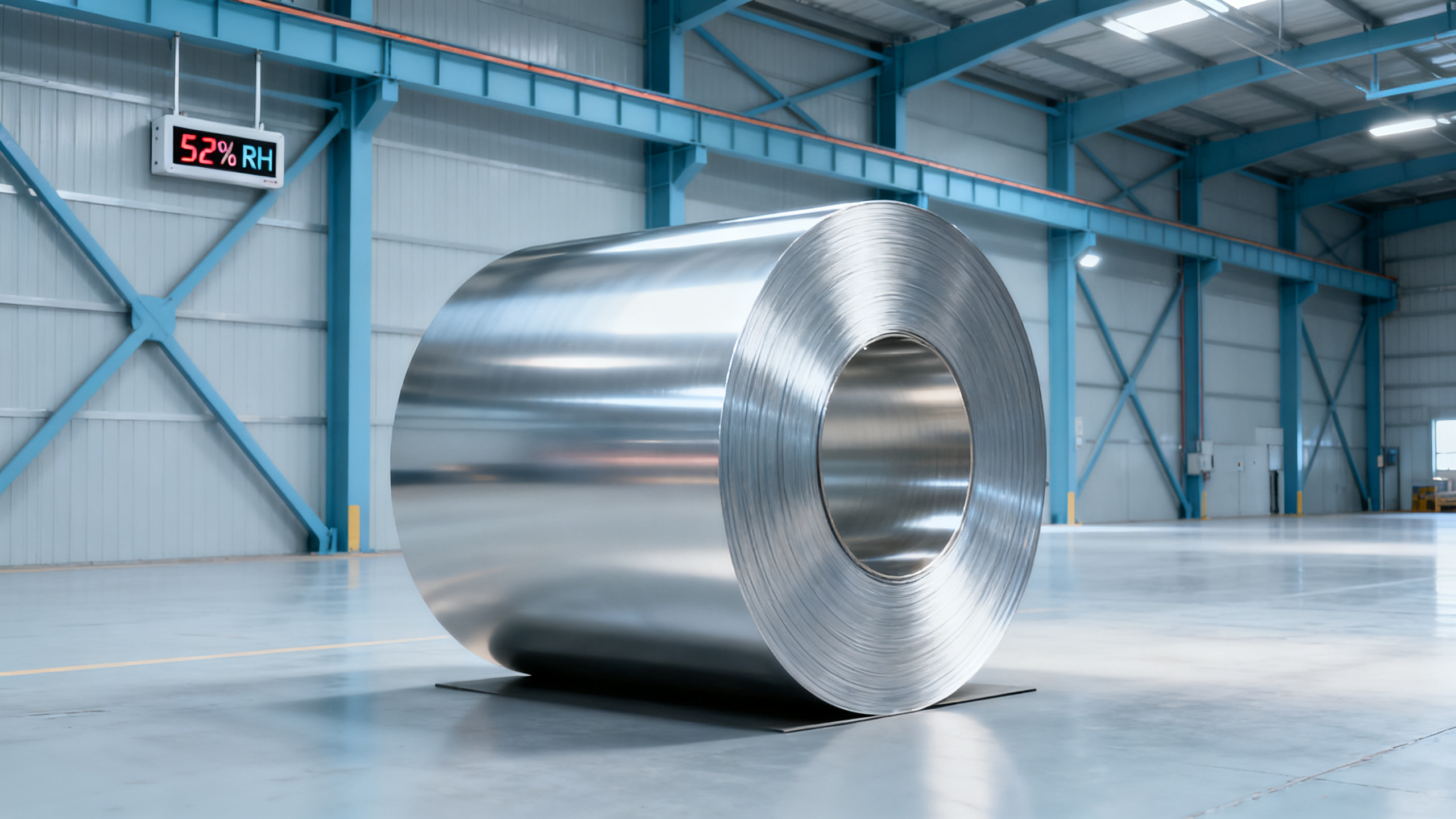
Shandong Huamate Steel Co., Ltd. operates from Liaocheng—the largest steel pipe production base and trade hub in China—with integrated access to mills, certified climate-controlled warehouses (maintained at ≤52% RH year-round), and ISO 9001-certified packaging lines. We don’t just ship metal—we engineer its stability across humid corridors.
Our export solution includes: (1) RH-monitored staging at 3 regional hubs (Qingdao, Tianjin, Guangzhou) with real-time humidity dashboards; (2) VCI (Vapor Corrosion Inhibitor) film wrapping for aluminum coil and carbon steel profiles—validated to extend safe storage to 120 days at 65% RH; and (3) batch-specific RH compliance certificates issued pre-shipment, aligned with EN 10204 3.1 requirements.
For your next order, we recommend requesting: (i) RH log reports for the full storage window, (ii) VCI film specification sheet, and (iii) third-party verification of packaging integrity (ASTM D3003). These documents reduce field failure risk by up to 63%—verified across 212 customer audits since Q1 2023.
Get Technical Support for Your Next Shipment
Contact our technical export team to: confirm optimal RH parameters for your specific alloy grade and destination climate zone; review VCI film compatibility with your fabrication process; obtain sample RH compliance documentation; or request accelerated lead time for climate-controlled dispatch (standard delivery: 12–18 days; expedited: 7–10 days).
Recent Posts
 Aluminum coil storage humidity thresholds—why 60% RH is a critical turning pointApr 14, 2026
 H-Beam Prices Hold at 3540 Yuan/Ton, Hot-Rolled Coil Rises 1.17%Apr 13, 2026
 C beam steel arrives bent in transit—how packaging choices affect straightness claimsApr 13, 2026
 Hot rolled angle steel deliveries arrive with mill scale intact—why that’s not always good newsApr 13, 2026
 Packaging damage on galvanised steel angle is often preventable — here’s howApr 10, 2026
Leave a Message
Thank you for your interest in our products. "*" Indicates the Fields are Mandatory