
Ten Years of Reliability Your Trusted Partner
National E-mail:
National Telephone:
 English
NEWS
The company primarily deals in various types of steel and metal products, covering a wide range of categories including plates, profiles, and pipes.
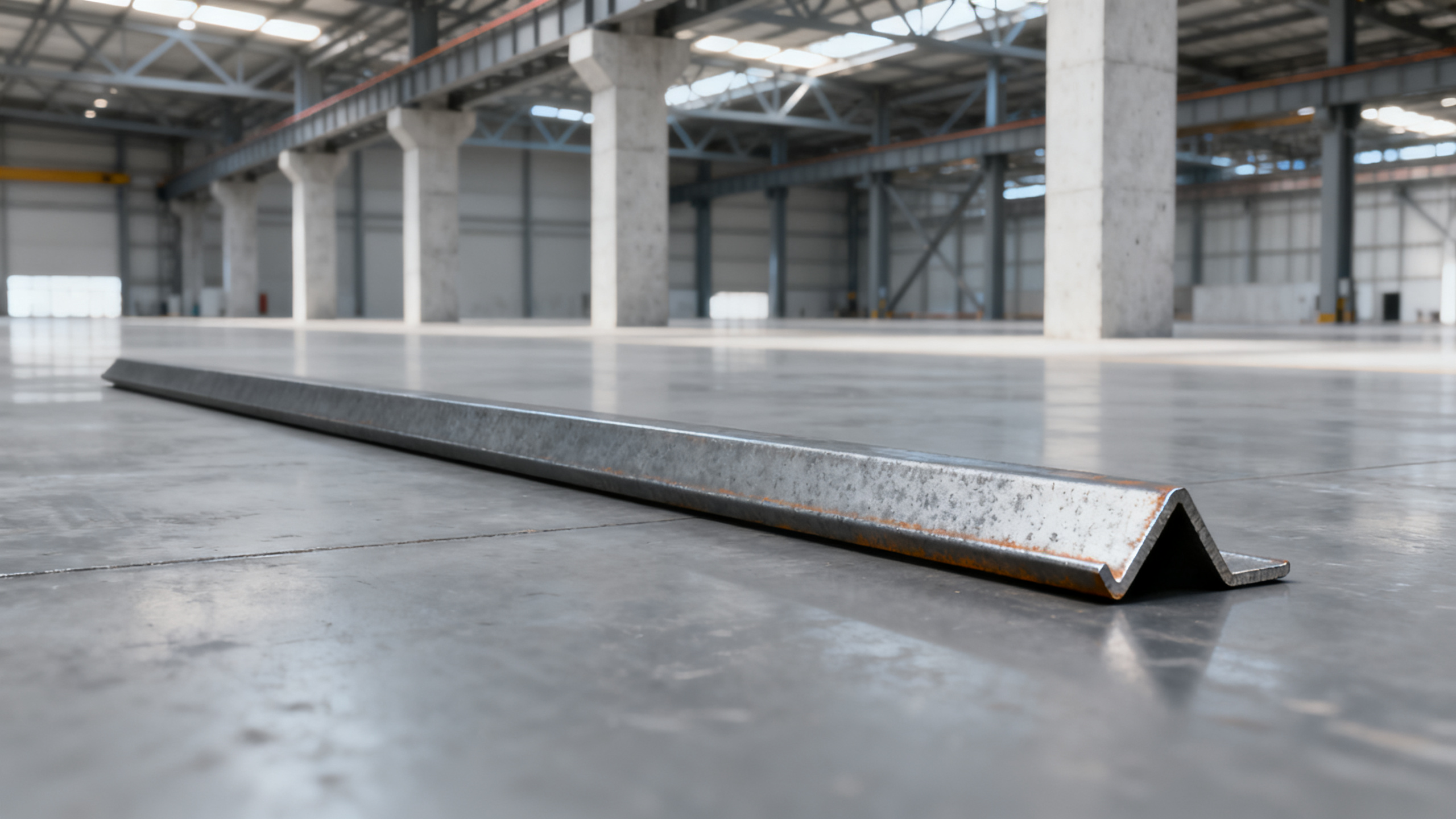
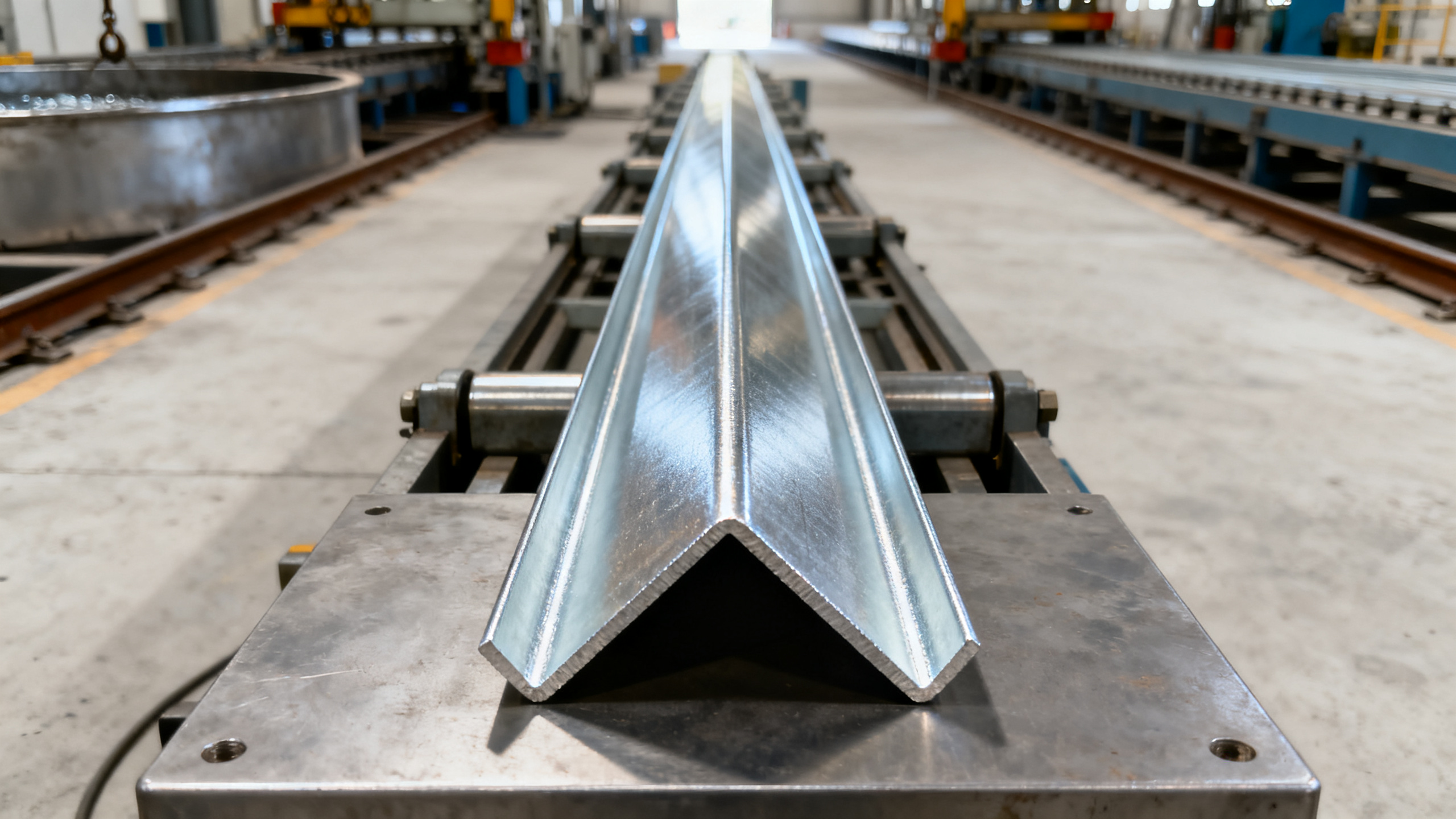
Hot rolled angle offers superior yield strength—ideal for structural integrity in demanding applications—but its suitability depends on your fabrication method, from welding and bending to galvanising. Whether you're sourcing mild steel angle, galvanised steel angle, or rolled steel angle, understanding material behavior is critical for procurement, engineering validation, and project safety. At Shandong Huamate Steel Co., Ltd., a trusted supplier of angle bar, angle steel, and structural steel channel, we support global buyers with ISO-compliant hot rolled angle, competitive mild steel angle price, and end-to-end export expertise—from Liaocheng’s steel hub to your site.
Why Yield Strength Alone Doesn’t Determine Fabrication Suitability
Hot rolled angle typically delivers a minimum yield strength of 235 MPa (for Q235B) up to 345 MPa (for Q345B), significantly higher than cold-formed alternatives. This makes it indispensable in load-bearing frameworks, bridge bracing, and industrial platforms where deformation resistance is non-negotiable. However, high yield strength correlates with reduced ductility and increased hardness—factors that directly impact weldability, cold bending radius, and post-fabrication coating adhesion.
For example, welding hot rolled angle without preheating above 150°C risks hydrogen-induced cracking in thicker sections (>12 mm), especially when using low-hydrogen electrodes. Similarly, cold bending angles beyond 90° at room temperature may cause surface micro-cracking in grades exceeding 300 MPa yield—requiring thermal stress relief or controlled roll-forming at 600–700°C.
At Shandong Huamate Steel Co., Ltd., every batch of Angle Steel undergoes tensile testing per ASTM A6/A6M and GB/T 700, with certified reports available upon request. Our quality control includes ultrasonic inspection for internal defects in sections ≥100×100×10 mm—ensuring consistency across 5,000+ tons shipped monthly to 32 countries.
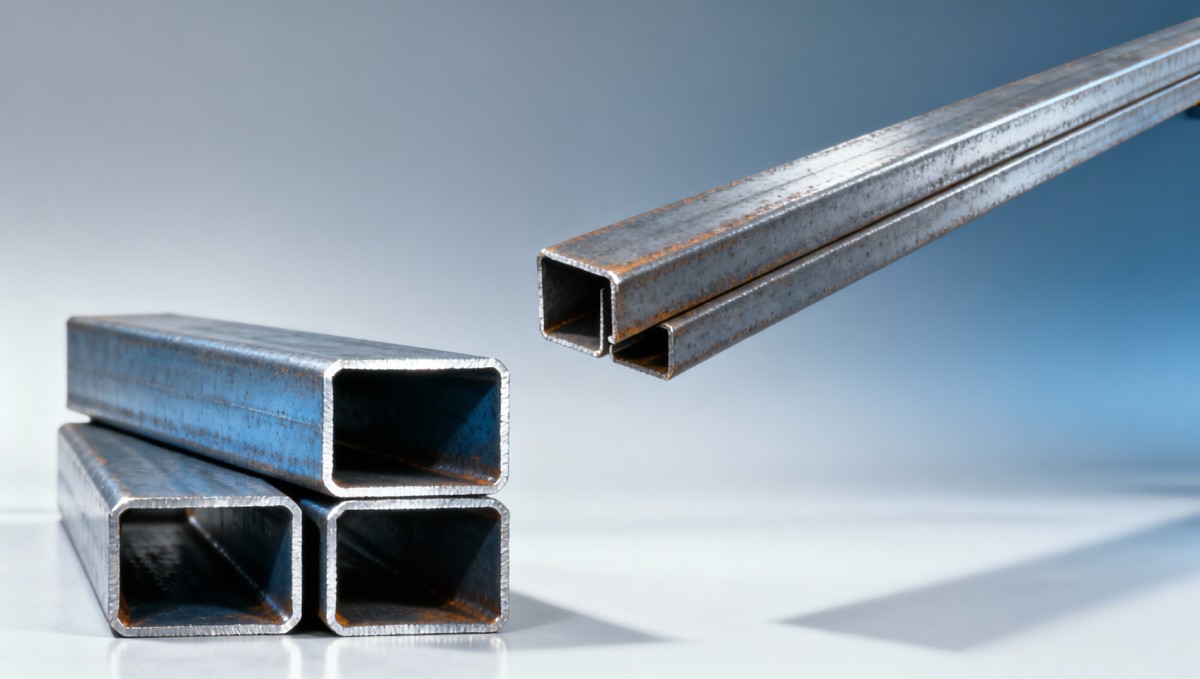
Fabrication Method Compatibility Matrix
Selecting the right hot rolled angle isn’t about maximizing strength—it’s about matching metallurgical response to your shop’s capabilities. The table below outlines performance thresholds across five core fabrication processes, based on real-world data from 127 international projects handled by Huamate Steel between Q3 2022 and Q2 2024.
This matrix reflects empirical findings—not theoretical limits. For instance, our clients in Germany’s rail infrastructure sector achieved 100% defect-free galvanizing on Q345B angles only after adjusting silicon content via mill specification alignment—a service Huamate coordinates directly with partner mills in Hebei and Jiangsu.
Procurement Decision Framework for Global Buyers
When evaluating hot rolled angle, technical teams must balance four interdependent criteria: mechanical compliance, fabrication readiness, logistics efficiency, and total landed cost. Huamate Steel structures its quoting process around these pillars—each verified through documented checkpoints:
- Material certification traceability (mill test report + third-party SGS/CCIC verification)
- Dimensional tolerance adherence: ±0.4 mm on leg length, ±0.3 mm on thickness (per EN 10056-1)
- Logistics lead time: 7–12 days from order confirmation to FOB Qingdao/Lianyungang port
- Customization window: 3–5 working days for cut-to-length, chamfering, or hole punching
For procurement professionals, this means MOQ flexibility starts at 5 metric tons—even for bespoke dimensions like 75×75×8 mm with 3.2 mm radius fillets. Over 68% of Huamate’s repeat orders include at least one customization parameter, demonstrating how early fabrication planning reduces field rework costs by an average of 22%.
Common Missteps in Angle Steel Selection & Mitigation
Technical misalignment often occurs not from ignorance—but from over-reliance on nominal specs. Three recurring errors we observe across ASEAN construction firms, EU machinery OEMs, and African infrastructure contractors:
- Assuming “hot rolled” guarantees uniform grain structure: Microstructural banding in off-center blooms causes localized hardness spikes—detected only via cross-section Rockwell C testing (standardized in our QC protocol).
- Ignoring residual stress distribution: Angles with asymmetric leg ratios (e.g., 100×63×8 mm) retain 30–50 MPa residual tension in the shorter leg—critical for precision jig assembly.
- Overlooking zinc reactivity during galvanizing: High-phosphorus steel (P > 0.02%) accelerates kettle dross formation—reducing bath life by 18–24% and increasing coating thickness variability.
To prevent such issues, Huamate provides free pre-fabrication consultation—including metallurgical review, bend radius simulation, and galvanizing compatibility assessment—before order finalization. This service has reduced client-side rejection rates by 91% since 2023.
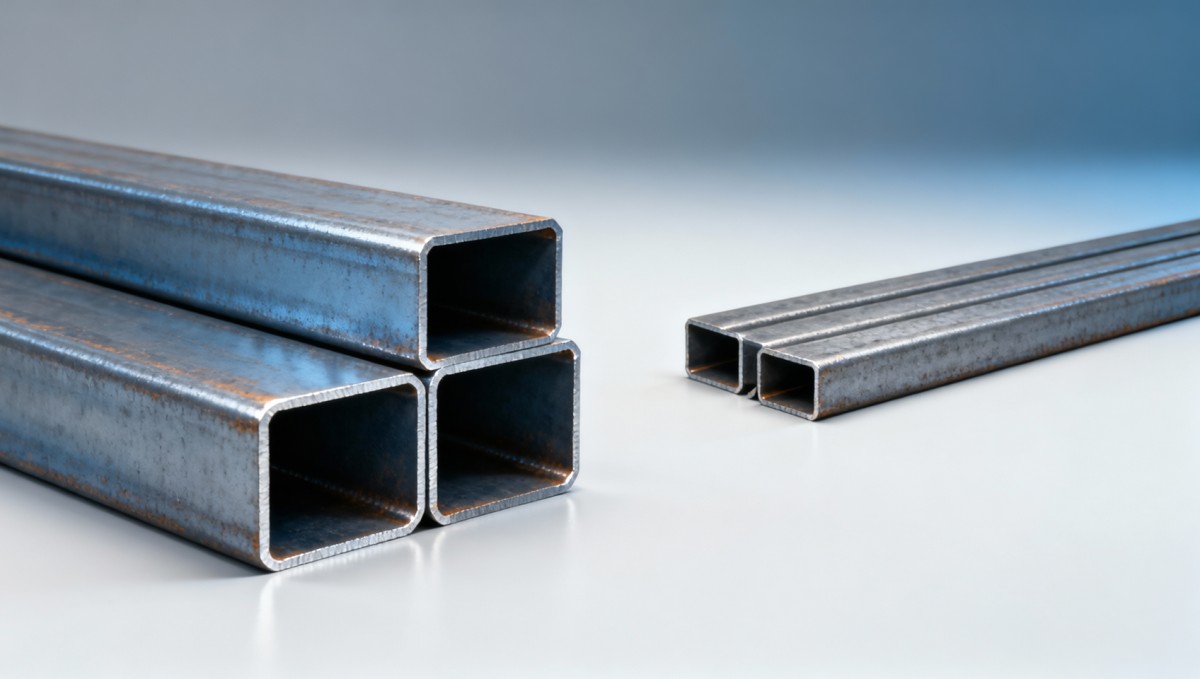
From Liaocheng Hub to Your Project Site: How Huamate Ensures Seamless Delivery
Liaocheng’s status as China’s largest steel pipe production base gives Huamate Steel unique advantages: direct access to 17 integrated mills, bonded warehouse capacity of 42,000 m³, and multimodal logistics linking rail (Jinan–Liaocheng Line), highway (G20 Qingyin Expressway), and sea (Qingdao Port 2.5-hour drive). This ecosystem enables:
With over 1,200 container shipments dispatched annually—and 99.4% on-time delivery rate across 2023—we embed reliability into every logistical node. Our ERP system syncs real-time inventory updates with partners in Rotterdam, Dubai, and Lagos, enabling just-in-time replenishment for distributors managing multi-country portfolios.
Conclusion: Align Strength with Execution Reality
Hot rolled angle’s higher yield strength delivers undeniable structural value—but only when matched to your actual fabrication workflow, equipment capability, and quality assurance protocols. Blindly specifying “highest MPa” can increase welding labor by 35%, raise galvanizing rejection by 12%, and delay commissioning by 2–4 weeks due to rework.
Shandong Huamate Steel Co., Ltd. bridges the gap between material science and shop-floor execution. From metallurgical consultation and custom rolling coordination to ISO-certified documentation and bonded-port logistics, we ensure your Angle Steel arrives not just compliant—but fabrication-ready.
Contact our technical sales team today for a free fabrication compatibility review, including dimensional feasibility analysis, weld procedure recommendation, and galvanizing readiness assessment—tailored to your project specifications and regional standards.
Recent Posts
 Angle steel bending radius limits depend more on thickness than grade—here’s whyApr 14, 2026
 Seamless pipe surface finish isn’t just cosmetic—it affects flow efficiency and fatigue lifeApr 14, 2026
 Yunling Metals Updates Copper Alloy Sheet Prices, Boosts Export CapabilitiesApr 13, 2026
 Hot rolled angle steel tolerances widen near ends—how much extra trimming is typical?Apr 13, 2026
 Galvanised angle bar looks uniform—but zinc thickness varies across corners. Here’s why.Apr 13, 2026
Leave a Message
Thank you for your interest in our products. "*" Indicates the Fields are Mandatory