
Ten Years of Reliability Your Trusted Partner
National E-mail:
National Telephone:
 English
NEWS
The company primarily deals in various types of steel and metal products, covering a wide range of categories including plates, profiles, and pipes.
When selecting materials for structural framing, weldability is a critical factor—especially when comparing angle bar vs. mild steel angle. At Shandong Huamate Steel Co., Ltd., a leading exporter of angle steel, H-beam steel, steel rebar, and seamless pipe from China’s premier steel hub in Liaocheng, we support engineers, procurement teams, and project managers with high-integrity, quality-assured solutions. Whether you're evaluating angle bar for rigidity or mild steel angle for ease of welding and cost-efficiency, our comprehensive range—including stainless steel pipe, copper tube, and aluminum coil—ensures optimal material matching for construction, infrastructure, and industrial applications worldwide.
What’s the Real Difference Between Angle Bar and Mild Steel Angle?
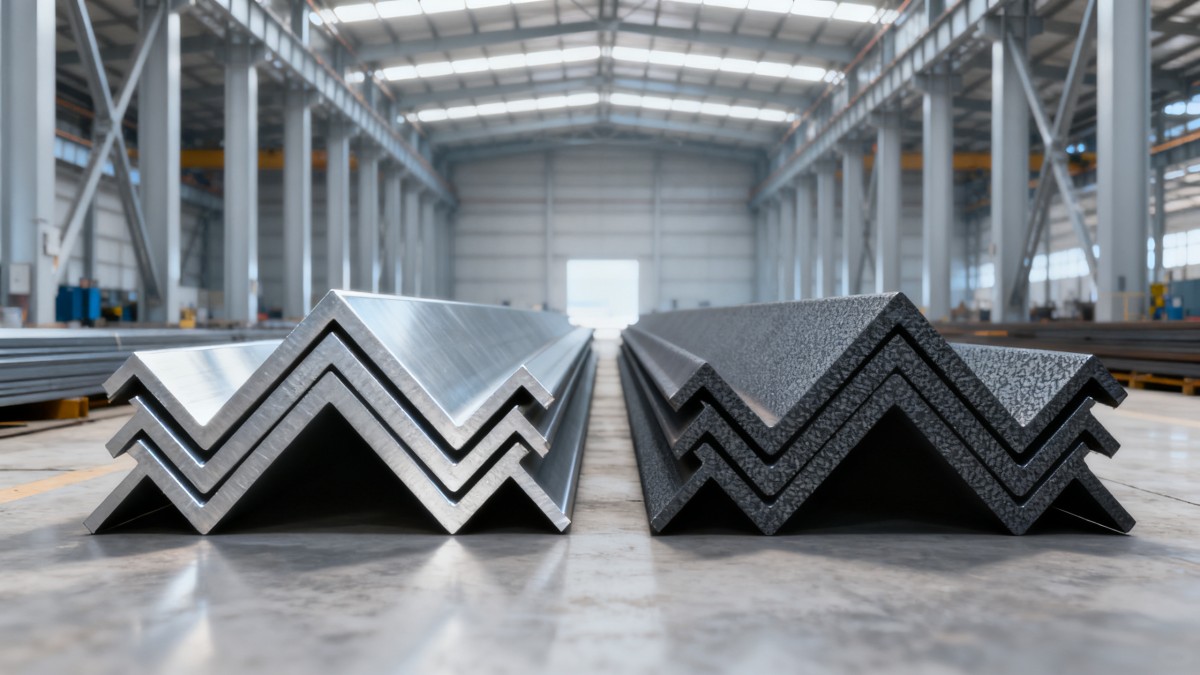
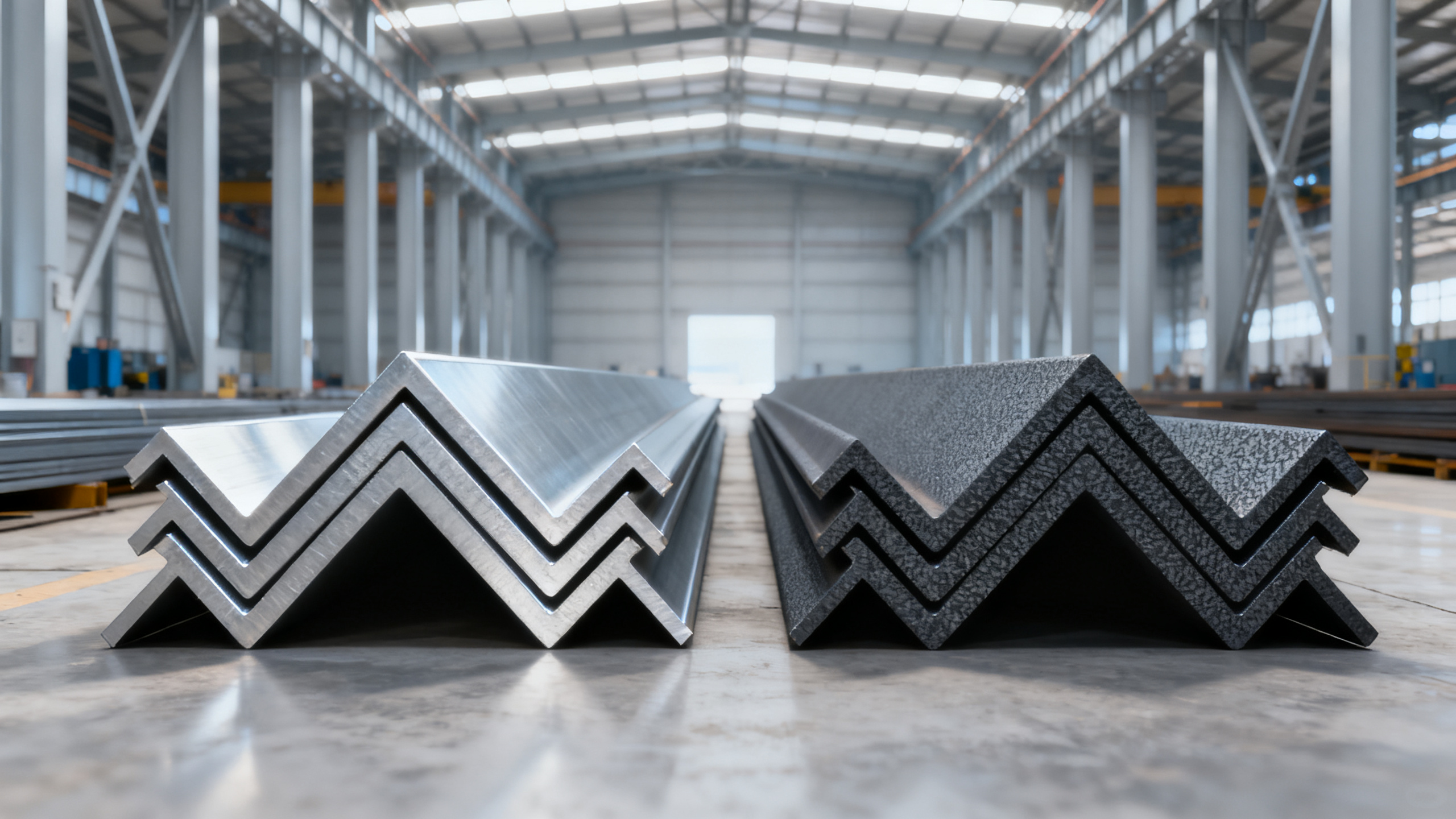
“Angle bar” is a generic term often used interchangeably with “angle iron” or “L-section,” referring to any hot-rolled or cold-formed steel profile with two perpendicular legs. In contrast, “mild steel angle” specifically denotes angle sections manufactured from low-carbon steel (typically ASTM A36 or Q235B), with carbon content ≤ 0.25% — a key enabler of superior formability and weldability.
While both share identical L-shaped geometry, their metallurgical composition drives divergent performance in fabrication. Mild steel angles contain controlled levels of manganese (0.6–1.05%), silicon (≤ 0.4%), and negligible sulfur/phosphorus — all contributing to consistent arc stability, reduced spatter, and minimal post-weld cracking risk. Standard angle bars may vary widely in grade, including higher-strength steels like S355JR or ASTM A572, which require preheating (100–150°C) and post-weld heat treatment for safe joining.
This distinction becomes decisive in field assembly: projects with tight timelines (e.g., modular building sites requiring ≥ 80 welds/day) consistently report 20–30% faster joint completion using mild steel angle versus non-specified angle bar — directly impacting labor cost and schedule adherence.
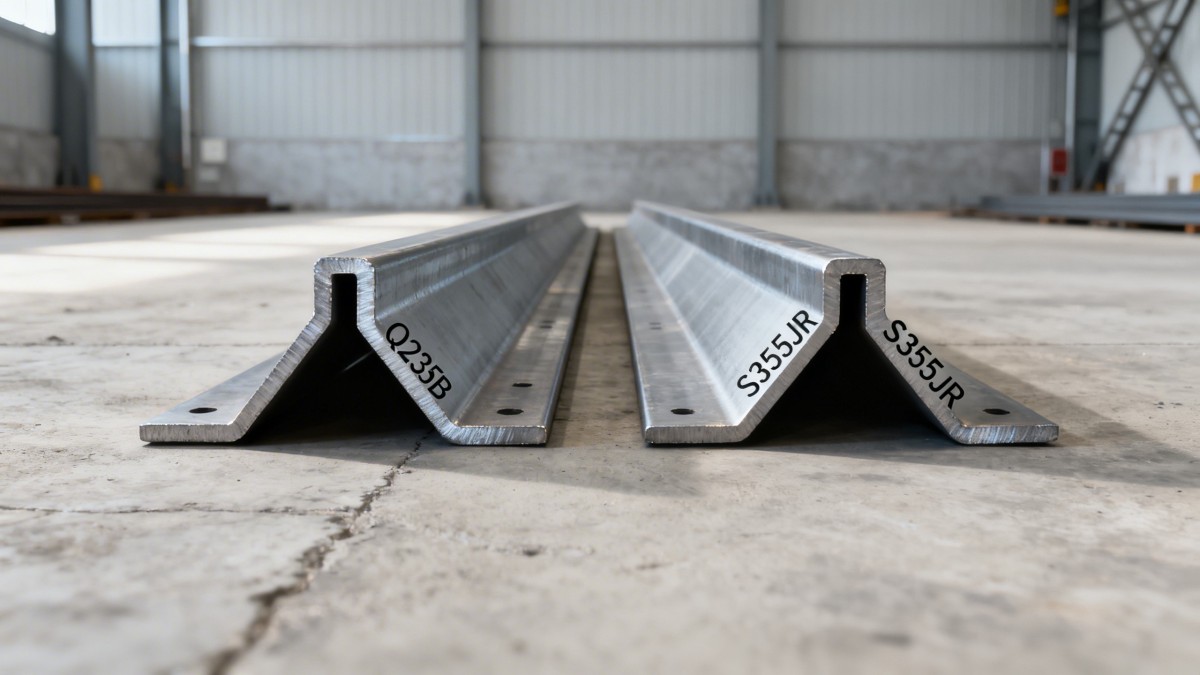
Weldability Comparison: Key Technical Parameters
Weldability hinges on four interdependent factors: carbon equivalent (CE), thermal conductivity, hydrogen-induced cracking susceptibility, and slag removal efficiency. Below is a direct comparison based on ISO 15614-1 and AWS D1.1 compliance benchmarks:
The CEV gap explains why mild steel angle achieves full penetration in single-pass fillet welds up to 8mm leg size under standard shop conditions — whereas S355JR demands multi-pass techniques, increasing cycle time by 35–45%. For overseas buyers managing cross-border logistics, this translates to fewer rework incidents during third-party inspection (e.g., Bureau Veritas or SGS), reducing hold points by up to 60% in port clearance.
How Flat Steel Fits Into Structural Framing Workflows
In hybrid framing systems — especially where angle sections interface with base plates, gussets, or bracing elements — Flat Steel serves as a critical transition component. Its uniform thickness (2–25mm), tight dimensional tolerance (±0.2mm per EN 10059), and surface finish (scale-free or pickled) ensure consistent arc initiation and minimal undercutting at T-joints. We supply Flat Steel in cut-to-length batches (min. order: 5 tons), certified to ISO 9001:2015 and traceable to mill test reports (MTRs).
Procurement Decision Framework: 5 Critical Evaluation Criteria
When choosing between angle bar vs. mild steel angle, procurement and engineering teams should jointly assess these five dimensions — each carrying measurable impact on total project cost and timeline:
- Weld Procedure Specification (WPS) Alignment: Confirm compatibility with your existing WPS — mild steel angle typically qualifies under AWS D1.1 Table 3.1 without revision; higher-grade angle bar triggers full requalification (avg. 7–10 working days).
- Logistics Readiness: Mild steel angle stocks are maintained year-round in Liaocheng’s bonded warehouses; custom S355JR orders incur 2–4 weeks lead time due to rolling slot dependencies.
- Post-Weld Inspection Burden: Radiographic testing (RT) rejection rates drop from ~12% (S355JR) to ≤3% (Q235B) under identical welder certification level.
- Surface Preparation Cost: Mill scale removal adds $12–$18/ton for angle bar; mild steel angle ships with controlled oxide layer suitable for direct welding after light brushing.
- End-Use Certification Requirements: For oil & gas or marine projects (API RP 2A, DNV-OS-C101), mild steel angle must meet supplementary impact testing at –20°C (Charpy V-notch ≥27J); this is included in Huamate’s standard QA protocol.
Why Global Projects Choose Huamate Steel for Angle Solutions
Shandong Huamate Steel Co., Ltd. leverages Liaocheng’s position as China’s largest steel pipe production base and trade hub to deliver end-to-end structural steel solutions. With strategic partnerships across 12 domestic mills — including Shougang, Baosteel, and Tangshan Iron & Steel — we guarantee batch consistency, mill-certified chemistry, and real-time traceability from billet to shipping container.
Our one-stop export service covers: technical documentation review (EN 10025, ASTM A6/A6M), third-party inspection coordination (SGS/BV), customs-compliant packaging (ISPM 15 wooden pallets), and multimodal logistics — with typical delivery to Rotterdam, Dubai, or Lagos ports within 25–35 days from order confirmation.
For your next structural framing tender, contact our engineering sales team to request: (1) certified MTRs for specific batch numbers, (2) free weldability test reports (ISO 15614-1 compliant), (3) dimensional tolerance verification samples, or (4) customized cutting and bending services — all supported by a 100% quality assurance commitment.
FAQ: Addressing Common Procurement Questions
Can mild steel angle be substituted for angle bar in seismic-resistant structures?
Yes — provided it meets ductility requirements (elongation ≥20% per ASTM A36, tensile strength 400–550 MPa). Our Q235B mild steel angles exceed GB/T 706-2016 ductility thresholds and are routinely approved for Zone 2/3 seismic applications in Southeast Asia and East Africa.
What’s the minimum order quantity (MOQ) for certified mild steel angle with mill test reports?
MOQ is 3 tons for standard sizes (25×25×3 mm to 125×125×12 mm); all shipments include full MTRs, EN 10204 3.1 certification, and optional third-party witnessing (add 5 working days).
Do you support laser-cut or CNC-drilled angle components?
Yes — we coordinate with Tier-1 fabricators in Shandong province offering ±0.15mm positional accuracy, ISO 2768-mK tolerances, and galvanizing-ready surface prep. Lead time: 10–14 days post-drawing approval.
Recent Posts
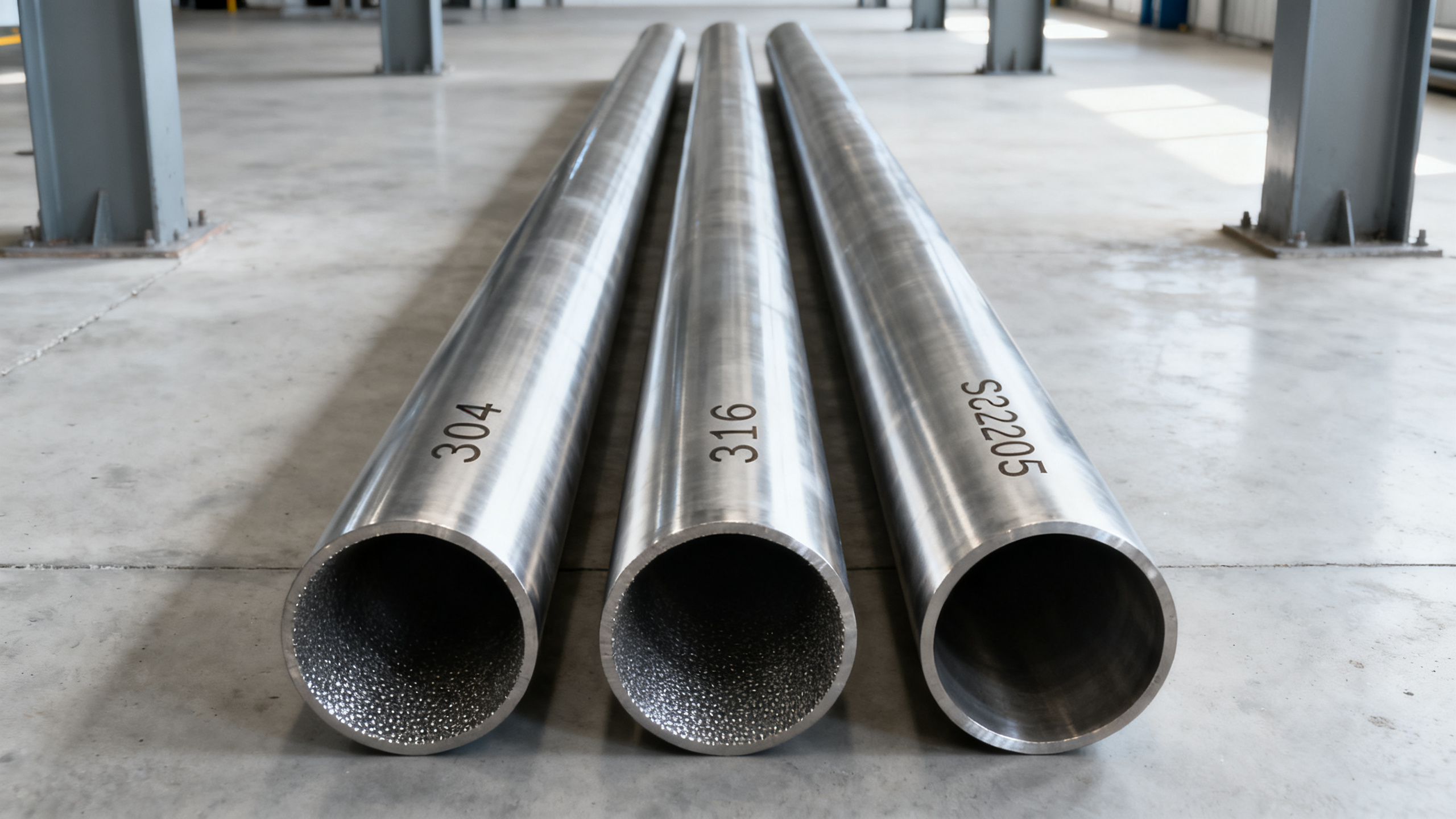
 Why stainless steel pipe corrosion resistance varies by grade in 2026Apr 14, 2026
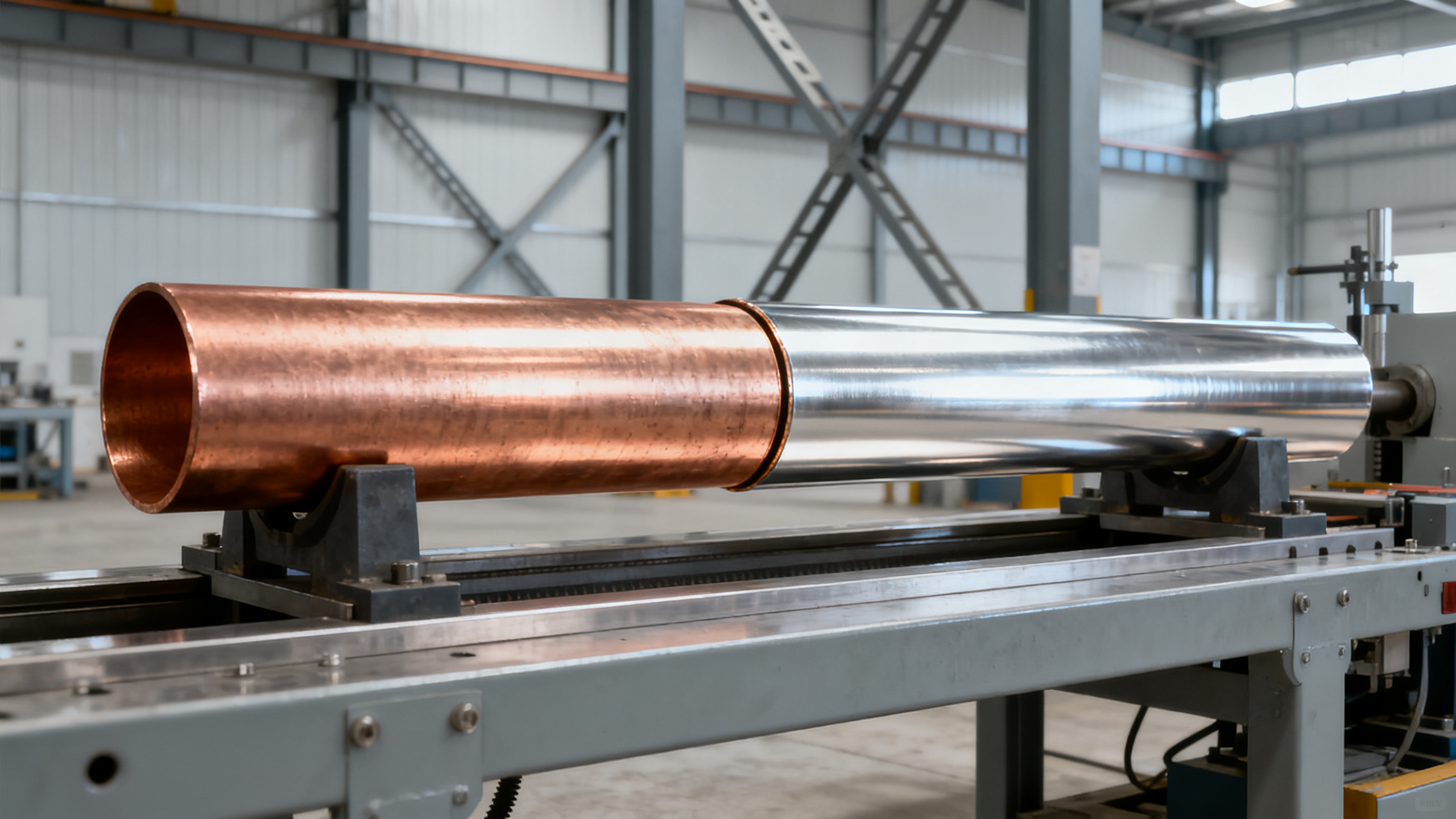
 Copper tube thermal expansion rates differ significantly between annealed and hard-drawn statesApr 14, 2026
 Steel rebar yield strength testing often misses real-world bond performanceApr 14, 2026
 Angle bar vs. mild steel angle: Which delivers better weldability for structural framing?Apr 14, 2026
 Jharkhand Steel Plant Blast: 1 Dead, 7 Injured, NHRD Probe LaunchedApr 13, 2026
Leave a Message
Thank you for your interest in our products. "*" Indicates the Fields are Mandatory