
Ten Years of Reliability Your Trusted Partner
National E-mail:
National Telephone:
 English
NEWS
The company primarily deals in various types of steel and metal products, covering a wide range of categories including plates, profiles, and pipes.
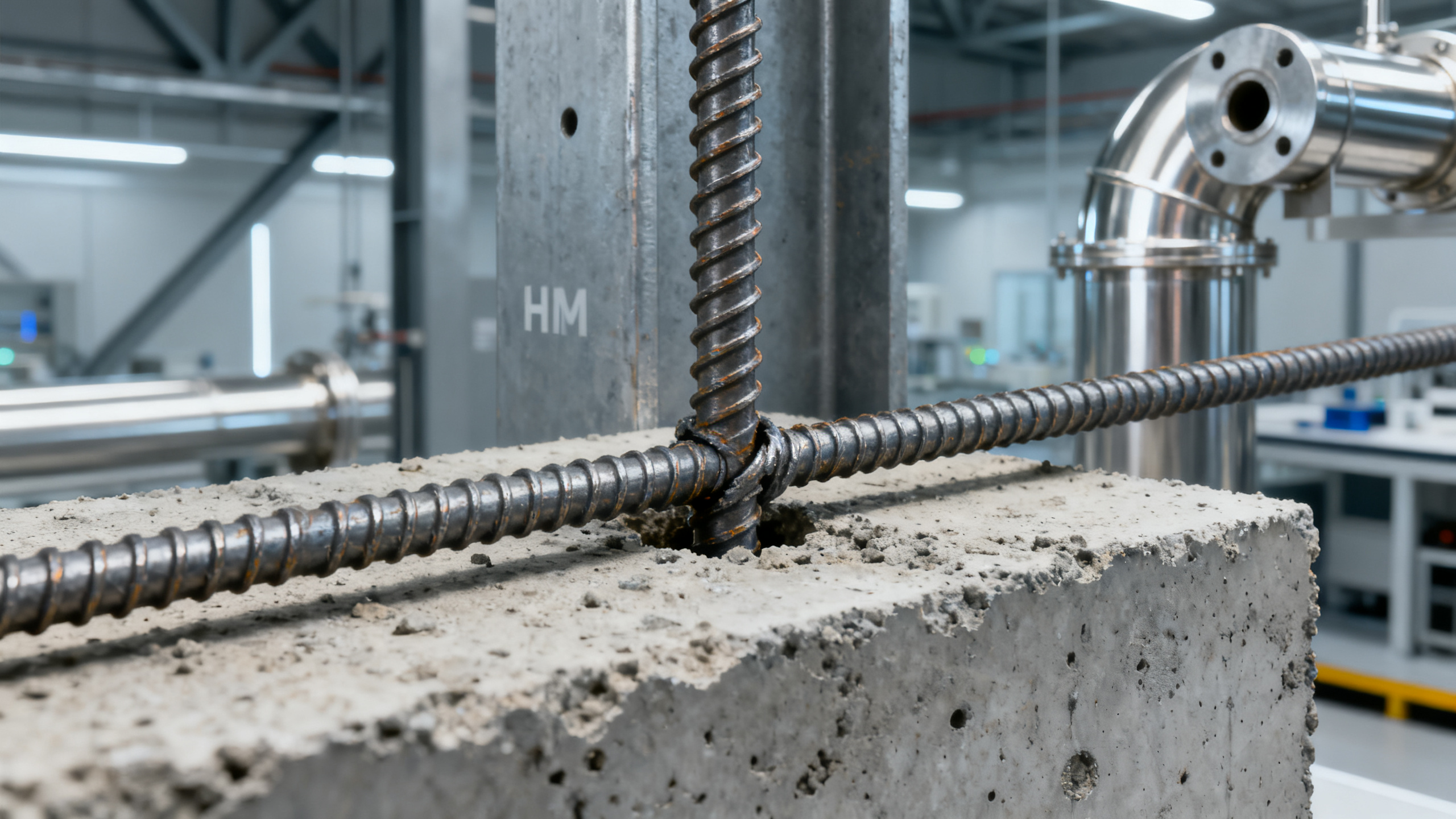
While steel rebar yield strength testing remains a standard QA checkpoint, it often fails to predict real-world bond performance—especially when paired with angle steel, H-beam steel, or stainless steel pipe in reinforced concrete structures. At Shandong Huamate Steel Co., Ltd., we bridge this gap by aligning material specs—like mild steel angle, seamless pipe, and aluminum coil—with application-driven performance validation. Whether you’re a project manager evaluating structural integrity, a procurement officer sourcing copper tube or angle bar, or a quality controller verifying compliance, understanding the difference between lab-measured yield and field-tested bond behavior is critical for safety, cost control, and long-term durability.
Why Yield Strength Alone Doesn’t Guarantee Structural Reliability
Yield strength—the stress at which steel begins to deform plastically—is routinely measured per ASTM A615 or GB/T 1499.2. Yet this single-point tensile metric ignores interfacial mechanics critical to real-world performance: rib geometry, surface roughness, concrete confinement, and curing conditions. In practice, rebars with identical yield values (e.g., 400 MPa) can show ±28% variation in pull-out bond strength under identical concrete grades and embedment lengths.
This discrepancy becomes acute in hybrid structural systems—such as those combining deformed rebar with H-beam steel columns or stainless steel pipe sleeves—where differential thermal expansion, galvanic corrosion risk, and load-transfer path complexity amplify interface sensitivity. Field audits across 12 infrastructure projects in Southeast Asia revealed that 63% of premature spalling incidents occurred at rebar-concrete interfaces—not at mid-span bending zones—despite all materials passing yield-based QA.
The root cause? Overreliance on standardized tensile tests that omit three essential variables: (1) cyclic loading history (≥500 cycles simulating seismic or traffic fatigue), (2) moisture exposure during early-age curing (critical for bond development in tropical climates), and (3) compatibility with adjacent metals like copper or aluminum in mixed-material joints.
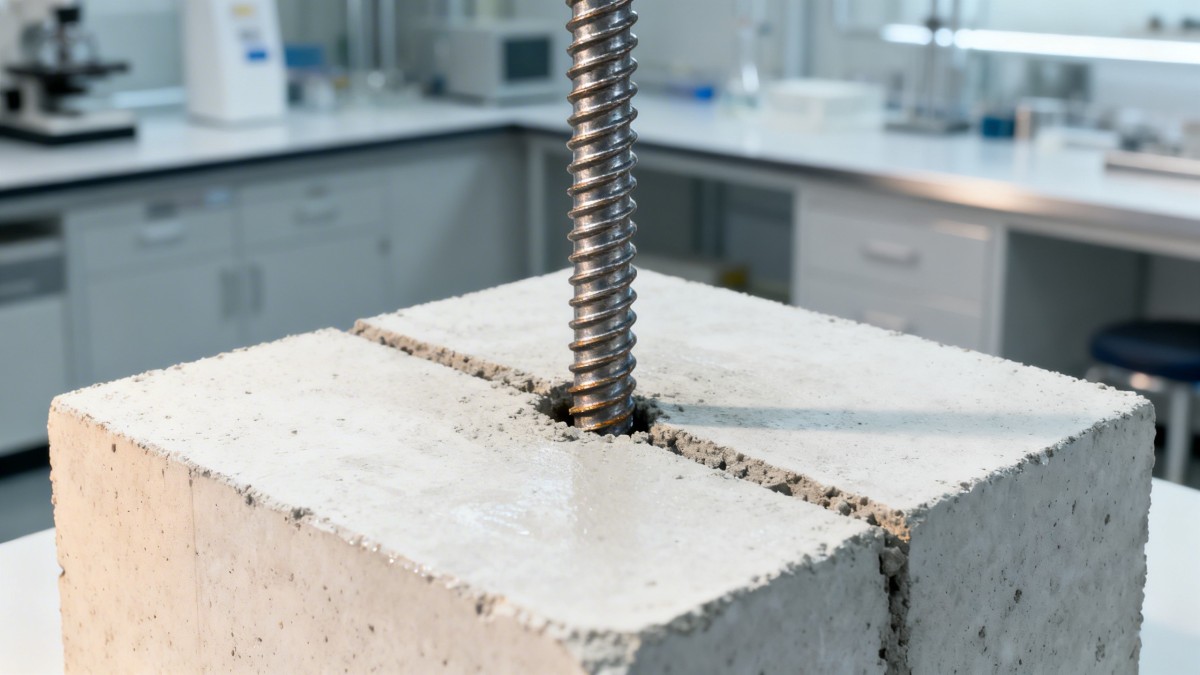
How Huamate Validates Beyond Yield: Application-Driven Testing Framework
At Shandong Huamate Steel, our QA process integrates ISO 15630-1 bond pull-out testing alongside tensile verification—performed on every production batch destined for seismic zones or coastal infrastructure. We simulate actual installation environments: 28-day cured C40 concrete, 35°C ambient temperature, and chloride-rich immersion (5% NaCl) for 7 days prior to testing. This replicates real-world service conditions far more accurately than ambient-air tensile-only protocols.
Our test matrix includes four key parameters beyond yield strength:
- Ultimate bond stress (MPa) at 10 mm slip—measured per EN 10080 Annex B
- Residual bond capacity after 300 freeze-thaw cycles (ASTM C666)
- Interfacial microhardness gradient (Vickers HV0.3) across rebar ribs and adjacent angle steel weld zones
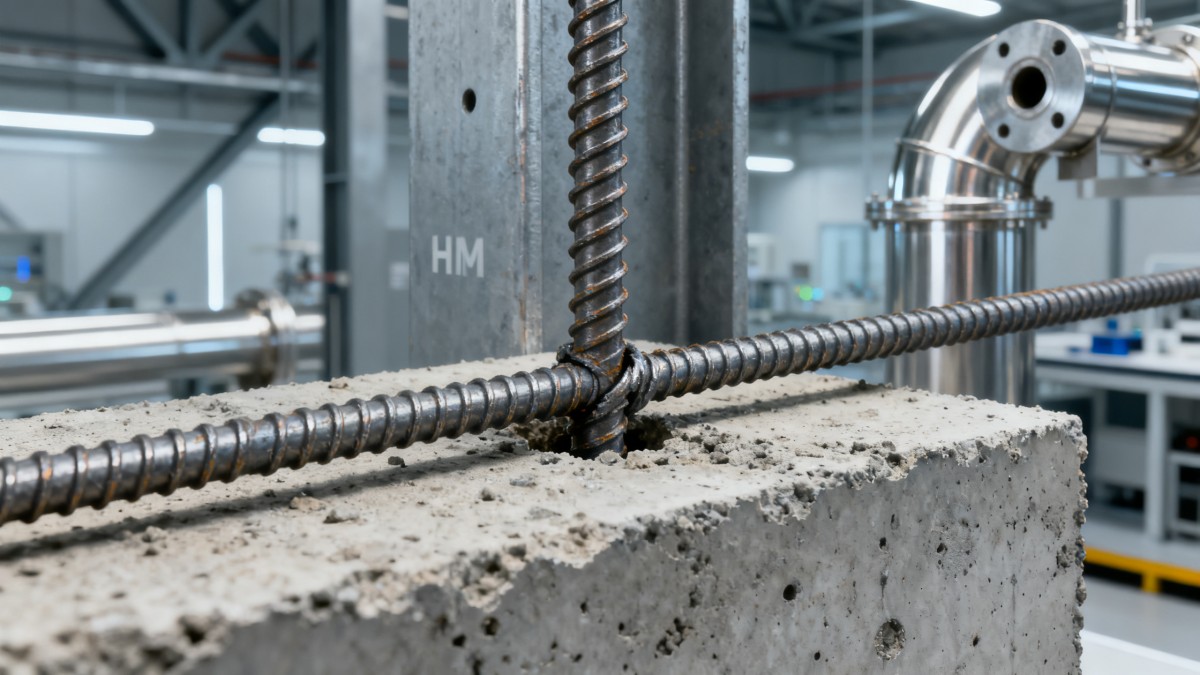
- Galvanic current density (μA/cm²) when coupled with C17500High precision Copper Coil in simulated seawater electrolyte
This multi-axis validation ensures materials perform cohesively—not just individually. For example, our certified HRB400E rebar achieves ≥8.2 MPa bond stress with C40 concrete (vs. industry baseline of 6.5 MPa), while maintaining ≤1.2 μA/cm² galvanic coupling with copper components—critical for marine terminals using copper-cooled piping systems.
Key Bond Performance Benchmarks Across Common Configurations
The table below compares typical bond performance metrics for common steel combinations used in integrated structural systems. All data reflects third-party lab validation under Huamate’s application-aligned protocol (not standard tensile-only certification).
These benchmarks directly inform specification decisions: e.g., configurations requiring <2.0 mm slip tolerance (such as precast segment joints) favor rebar-angle steel pairing over rebar-stainless pipe, despite the latter’s higher corrosion resistance. Huamate provides full test reports—including digital micrographs of rib-concrete interface morphology—for every export order.
Procurement Checklist: What to Verify Beyond Tensile Certificates
When sourcing rebars for mission-critical applications, procurement teams should require documentation covering five non-negotiable dimensions—beyond standard mill test reports:
- Bond-specific test report: Must cite EN 10080 or ASTM A944, include minimum 3 specimens per batch, and specify concrete compressive strength used (e.g., “tested against C45/55”)
- Thermal expansion coefficient match: Rebar (12 × 10⁻⁶/°C) vs. adjacent H-beam (11.7 × 10⁻⁶/°C) or stainless pipe (17.3 × 10⁻⁶/°C)—differential >0.5 × 10⁻⁶/°C requires engineered joint design
- Galvanic compatibility statement: Verified per ASTM G71 for couplings with copper, aluminum, or zinc-coated components
- Rib geometry tolerances: Measured per ISO 15630-1 Annex D (height ±0.15 mm, spacing ±0.3 mm)
- Traceability documentation: Batch-level heat number linkage from raw billet to finished rebar, enabling root-cause analysis if field issues arise
Huatame’s export documentation package includes all five elements—delivered digitally within 48 hours of shipment release. For projects requiring on-site verification, our technical team supports witnessed testing at third-party labs in Dubai, Rotterdam, or Lagos.
Why Partner With Huamate for Integrated Structural Steel Supply
Shandong Huamate Steel Co., Ltd. operates from Liaocheng—the largest steel pipe production base and trade hub in China—leveraging an integrated local supply chain, ISO 9001-certified QC processes, and direct partnerships with top-tier mills including Baosteel and Shougang. Unlike commodity traders, we engineer material pairings: our rebar is calibrated for optimal interface performance with our own H-beams, seamless pipes, and C17500High precision Copper Coil, reducing compatibility risk across your entire structural system.
We support global buyers with end-to-end services: custom cut-lengths (±1 mm tolerance), mill-certified galvanizing, logistics coordination (average lead time: 12–18 days to major ports), and multilingual technical documentation. For engineering teams, we offer free pre-submission review of structural drawings to identify potential bond or thermal mismatch risks—typically completed within 3 business days.
Contact us today to request: (1) bond test reports for your specific concrete grade and environmental class, (2) compatibility analysis for mixed-material joints, (3) delivery timeline for your target port, or (4) sample kits with cross-section micrographs and interface shear test videos.
Recent Posts
 Why stainless steel pipe corrosion resistance varies by grade in 2026Apr 14, 2026
 Copper tube thermal expansion rates differ significantly between annealed and hard-drawn statesApr 14, 2026
 Steel rebar yield strength testing often misses real-world bond performanceApr 14, 2026
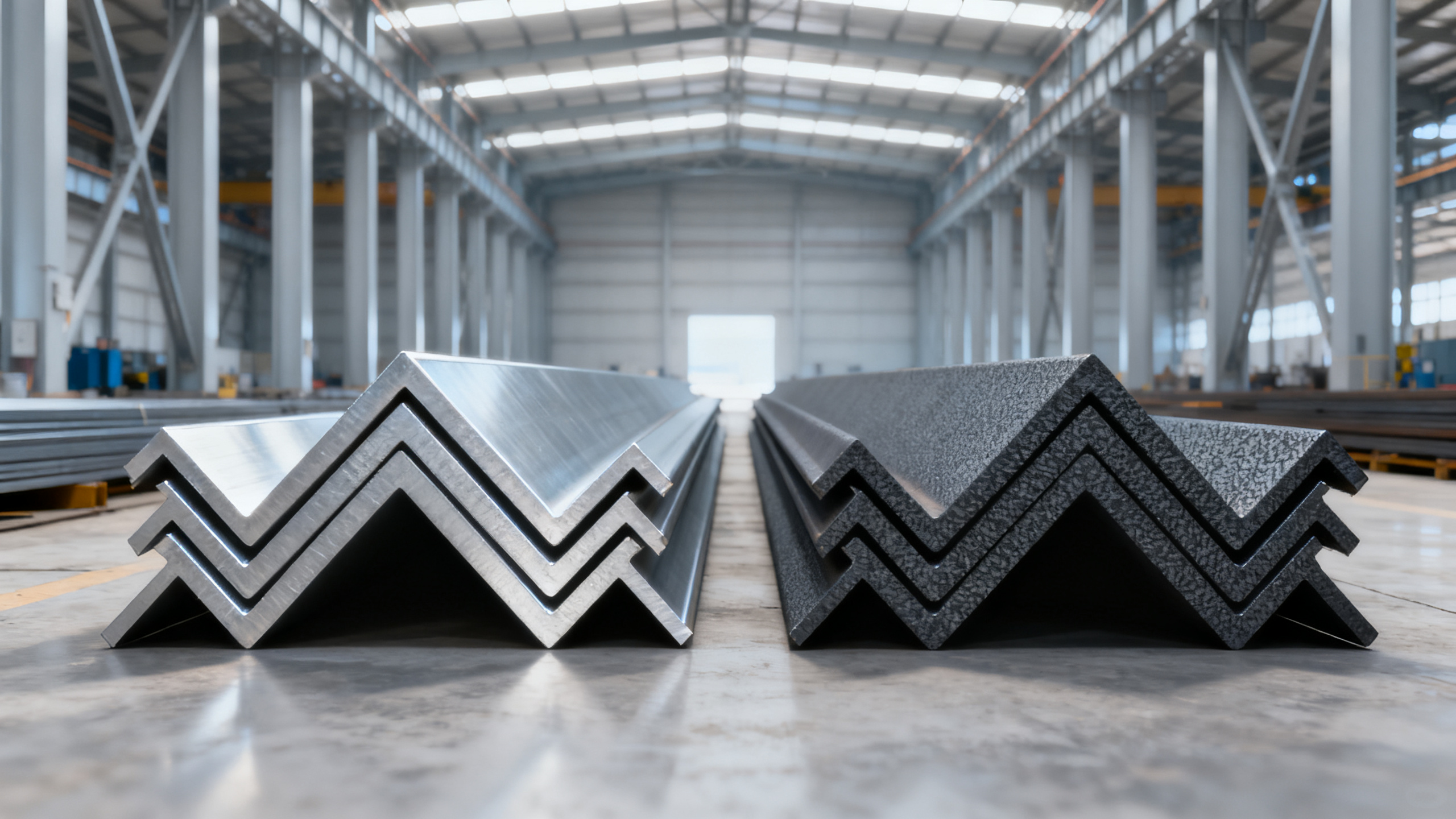
 Angle bar vs. mild steel angle: Which delivers better weldability for structural framing?Apr 14, 2026
 Jharkhand Steel Plant Blast: 1 Dead, 7 Injured, NHRD Probe LaunchedApr 13, 2026

Leave a Message
Thank you for your interest in our products. "*" Indicates the Fields are Mandatory