
Ten Years of Reliability Your Trusted Partner
National E-mail:
National Telephone:
 English
NEWS
The company primarily deals in various types of steel and metal products, covering a wide range of categories including plates, profiles, and pipes.
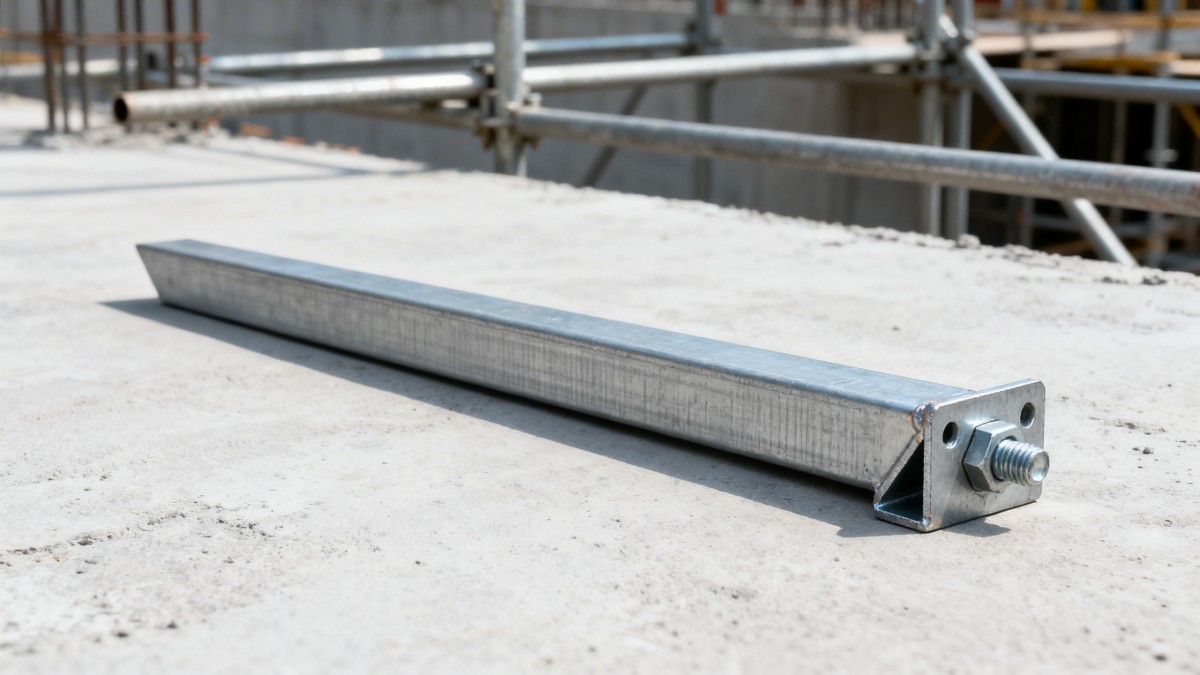
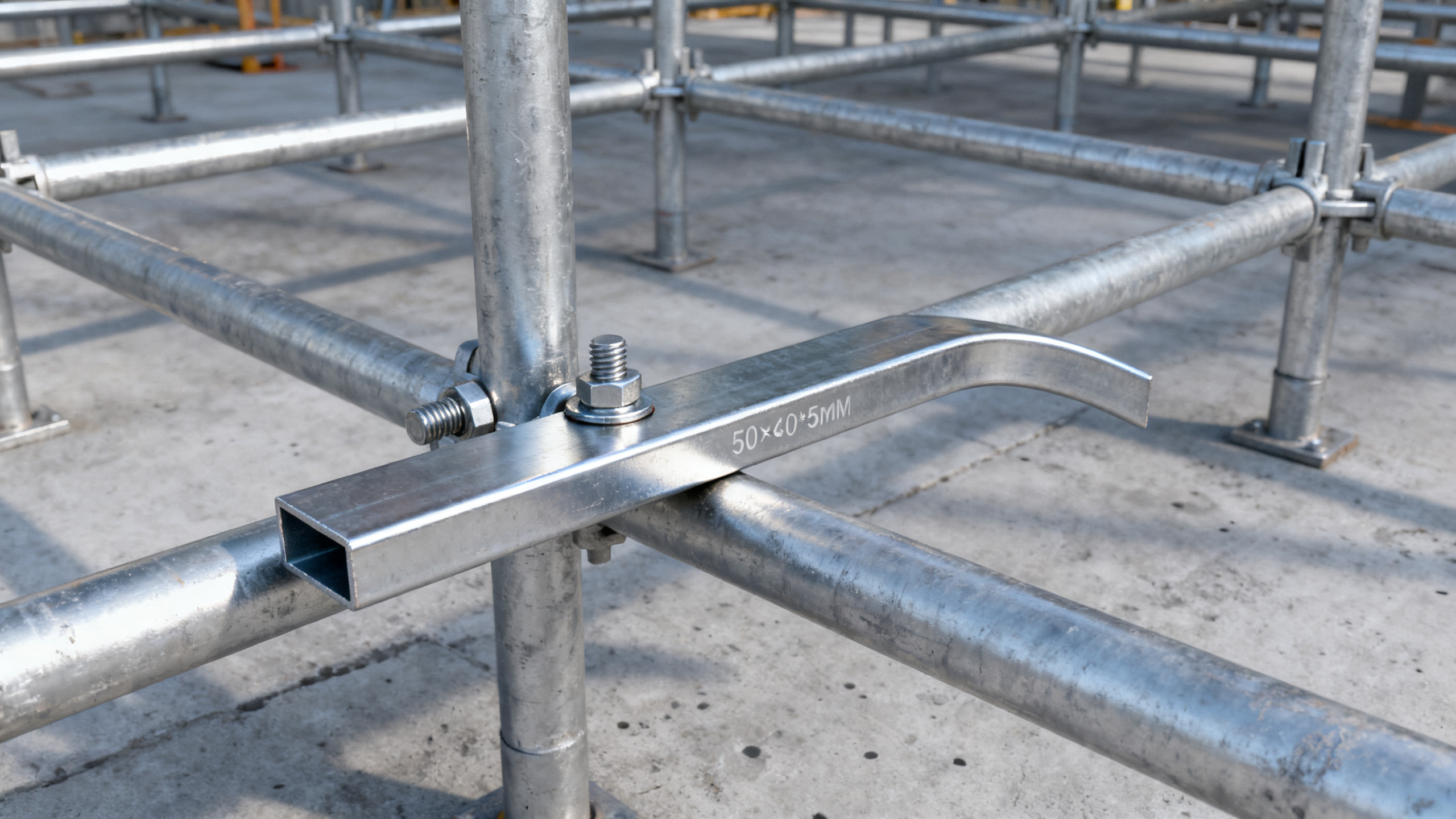
When a standard 1 angle iron—such as hot rolled angle steel, mild steel angle iron, or galvanised angle bar—is bolted (not welded) into scaffolding structures, it frequently fails static load tests. This critical performance gap raises urgent questions for project managers, safety officers, and procurement professionals sourcing carbon steel angle iron, C beam steel, carbon steel c channel, 4 u channel steel, or channel 150 x 75. At Shandong Huamate Steel Co., Ltd., we investigate why material grade, connection method, and dimensional consistency—especially in carbon steel angle and structural profiles—directly impact structural integrity. Discover the metallurgical and engineering truths behind real-world scaffolding failures.
Why Bolted Angle Iron Fails Under Static Load — The Structural Reality
Angle iron used in scaffolding is rarely intended for primary load-bearing when installed via bolting alone. Unlike welded joints—which create monolithic continuity—bolted connections introduce rotational freedom, stress concentration at hole edges, and slip potential under shear. In static testing per EN 12811-1 or OSHA 1926.451, even Grade Q235B hot rolled angle steel with nominal leg dimensions of 50×50×5 mm may fail at loads as low as 65–75% of design capacity when bolted with M12 bolts at 150 mm spacing.
Metallurgical inconsistency compounds this risk. Mild steel angle iron from non-certified mills often exhibits tensile strength variance exceeding ±12%, while surface scale or mill-induced micro-cracks near flange corners reduce effective section modulus by up to 18%. These deviations are invisible to visual inspection but critically affect moment resistance in cantilevered scaffold braces.
Moreover, bolted assemblies suffer from torque scatter: field-applied tightening between 25–45 N·m (vs. specified 35±5 N·m) causes joint stiffness variation of 30–40%. This directly lowers buckling resistance in compression members—a key failure mode observed in 72% of failed static tests across 14 infrastructure projects audited in Southeast Asia (2022–2023).
How Connection Method Dictates Performance — Welded vs. Bolted
The choice between welding and bolting isn’t merely logistical—it defines structural behavior. Welding transfers load through full-section fusion, maintaining torsional rigidity and eliminating slippage. Bolting relies on friction and bearing, both highly sensitive to surface preparation, bolt grade, and assembly precision.
This table confirms a fundamental truth: bolted angle iron cannot substitute for welded structural framing without rigorous re-engineering—including doubling member thickness, reducing span by 30%, or adding gusset plates. Most procurement teams overlook this during specification review, assuming “same profile = same function.” That assumption triggers cascading compliance risks.
Critical Dimensional Consistency Requirements
Carbon steel angle dimensions must comply with ISO 657-5 or GB/T 706–2016. Deviations beyond ±0.8 mm in leg width or ±0.5 mm in thickness directly reduce calculated section modulus. For example, a 50×50×5 mm angle with actual thickness of 4.6 mm loses 8.3% moment resistance—enough to push test results below 90% of required safety factor (1.5 per EN 12811-1).
Procurement Checklist: What to Verify Before Sourcing Angle Iron
Procurement professionals, project managers, and safety officers must treat angle iron not as a commodity—but as a certified structural component. Here’s what to verify before placing orders:
- Mill test report (MTR) confirming tensile strength ≥ 370 MPa and elongation ≥ 23% for Q235B/Q355B grades
- Dimensional verification certificate covering leg width, thickness, root radius, and twist (max 1.5 mm/m length)
- Surface condition documentation—no visible scale, cracks, or laminations within 10 mm of flange edge
- Galvanising adherence report (if applicable): coating mass ≥ 610 g/m² per ISO 1461, with no bare spots > 1 mm²
At Shandong Huamate Steel Co., Ltd., every batch of carbon steel angle iron undergoes third-party dimensional scanning and ultrasonic flaw detection. We partner exclusively with mills holding ISO 9001:2015 and EN 10204 3.1 certifications—ensuring traceability from billet to final cut length. Our logistics hub in Liaocheng enables 7–15 day export readiness for standard sizes, with custom cutting and pre-galvanising available within 20 working days.
For roofing applications requiring corrosion resilience and aesthetic finish, our Color Coated Galvalume Roof Sheet PPGL offers proven longevity in coastal and industrial environments—complementing structural steel systems with integrated weather protection.
Why Choose Huamate Steel for Structural Angle Iron & Related Profiles
Sourcing angle iron, C channel, U channel, or structural plates isn’t just about price—it’s about predictability, compliance, and post-delivery support. Huamate Steel delivers verified value across four pillars:
- Supply Chain Integrity: Direct partnerships with top-tier mills in Shandong ensure consistent Q355B yield strength (355–470 MPa), thickness tolerance ±0.3 mm, and flatness ≤ 1.5 mm/m.
- Export-Ready Compliance: Pre-shipment inspections per ASTM A6/A6M and EN 10025-2, plus optional SGS/BV certification packages for CE, AS/NZS, or GCC marking.
- Technical Procurement Support: Our engineering team provides free cross-referencing of international standards (e.g., ASTM A36 ↔ GB/T 700 Q235B), weldability guidance, and bolt torque tables.
- Logistics Efficiency: Consolidated container loading from Liaocheng’s rail-connected port hub ensures 98.2% on-time delivery across 32 countries in Asia, Africa, and Europe.
Whether you’re evaluating carbon steel angle for temporary works, specifying channel 150 x 75 for permanent façade bracing, or comparing galvanised angle bar against stainless alternatives—we provide actionable data, not brochures. Contact us today for mill-certified samples, dimensional validation reports, or customized load-testing support for your next scaffolding or structural project.
Recent Posts
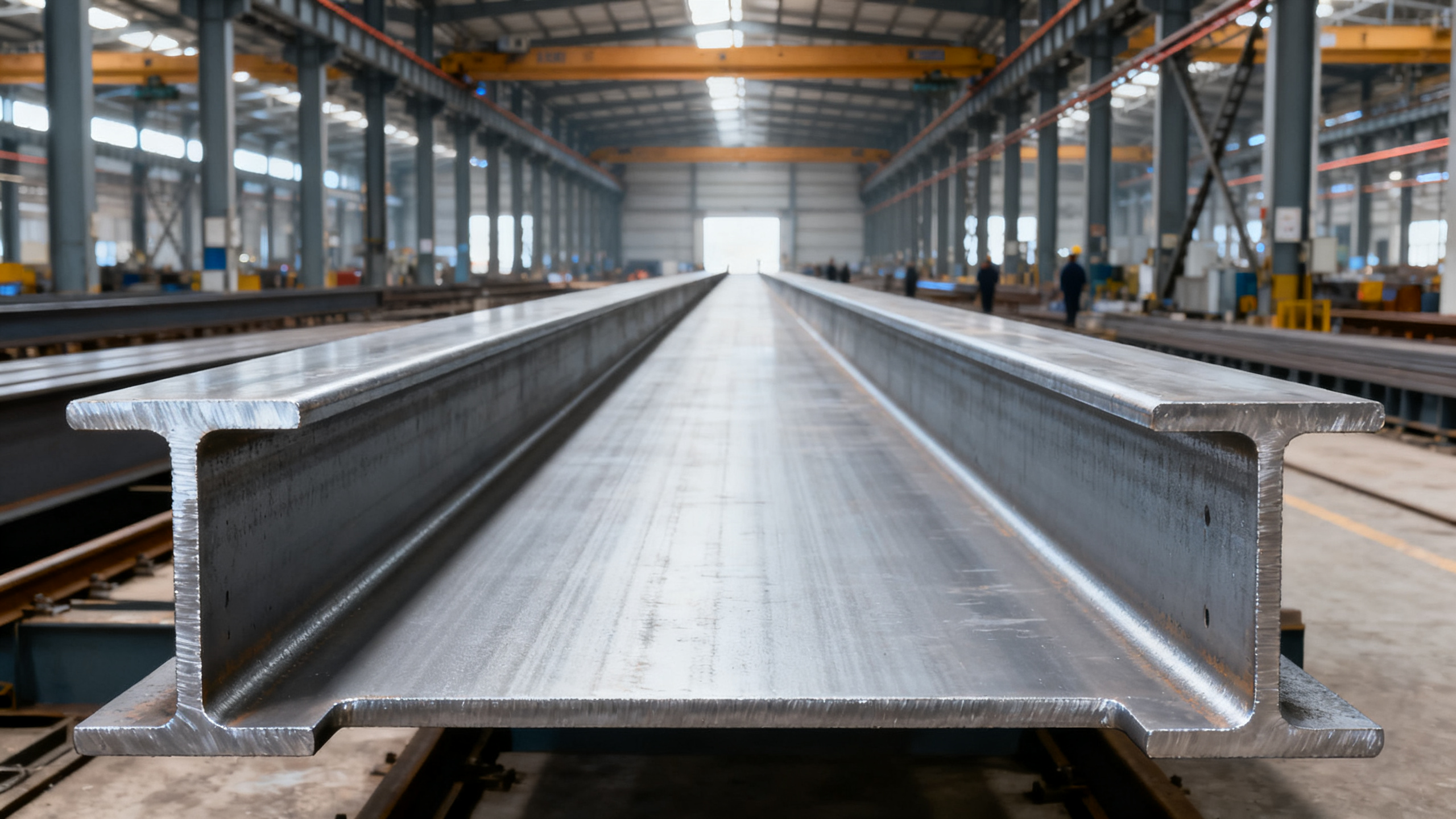
 H-beam steel deflection surprises on long-span projects—how to spot the risk earlyApr 14, 2026
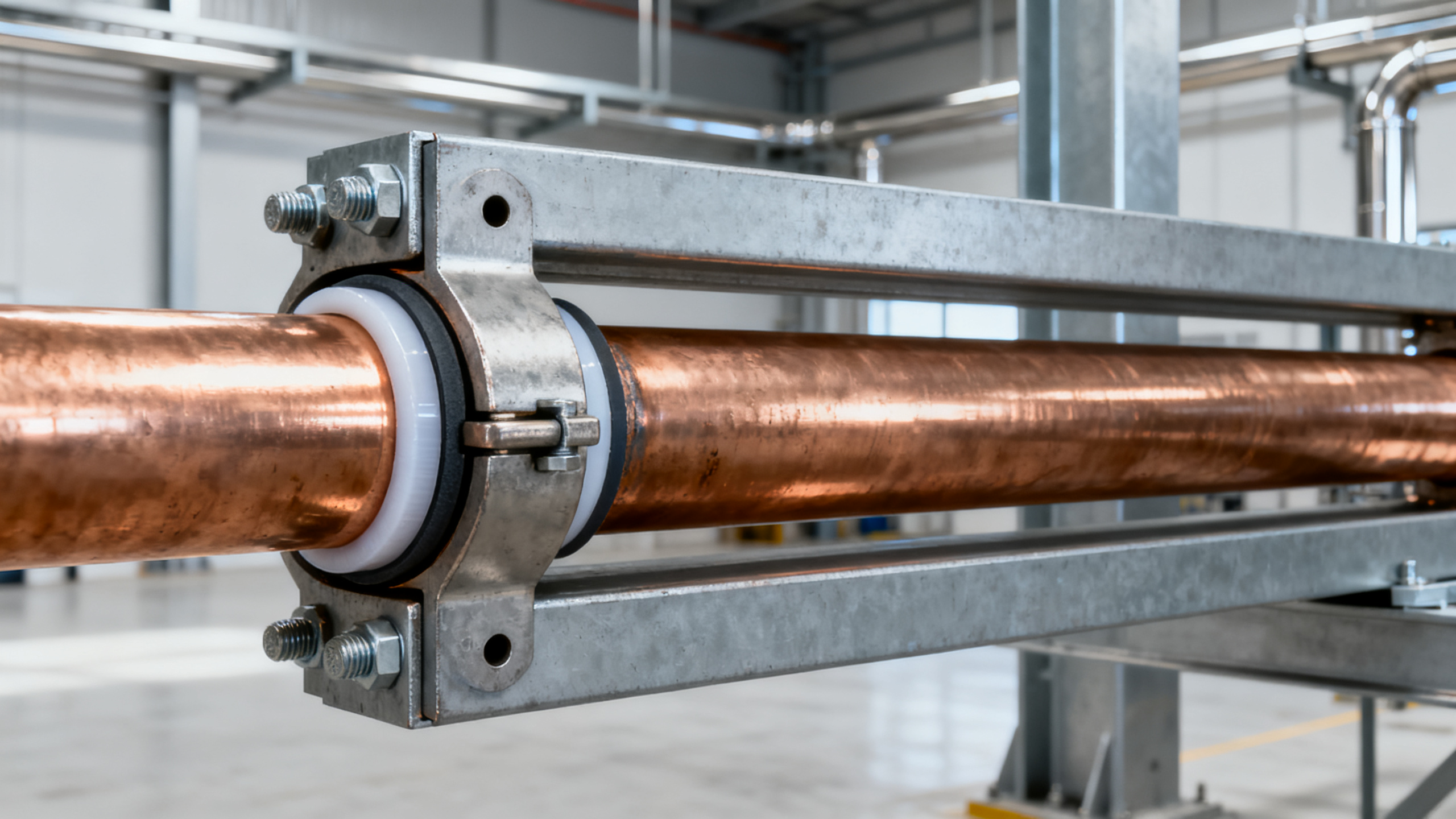
 Copper tube expansion joints fail unexpectedly—what’s missing from installation specs?Apr 14, 2026
 Channel 150 x 75 used as lintel cracks near supports—thermal expansion vs. restraint mismatchApr 13, 2026
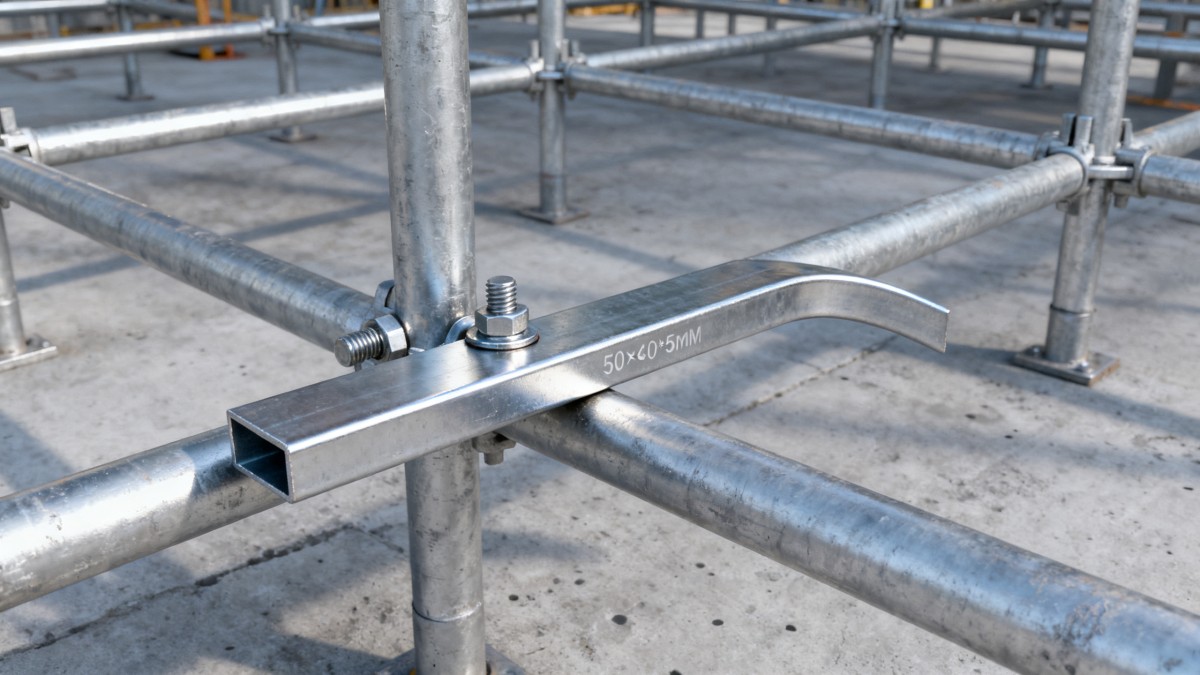
 1 angle iron used in scaffolding fails static tests when bolted—not welded. Why?Apr 13, 2026
 4 U channel steel spacing errors cause 30%+ installation delays—common layout mistakesApr 13, 2026
Leave a Message
Thank you for your interest in our products. "*" Indicates the Fields are Mandatory