
Ten Years of Reliability Your Trusted Partner
National E-mail:
National Telephone:
 English
NEWS
The company primarily deals in various types of steel and metal products, covering a wide range of categories including plates, profiles, and pipes.
Long-span structures relying on H-Beam Steel often face unexpected deflection—compromising safety, aesthetics, and service life. Whether you're a project manager specifying steel rebar and angle bar, a procurement officer sourcing seamless pipe or stainless steel pipe, or a technical evaluator comparing mild steel angle vs. aluminum coil performance, early detection is critical. At Shandong Huamate Steel, we combine deep industry expertise in H-beam steel, angle steel, copper tube, and structural profiles with rigorous quality control—ensuring reliability across construction, infrastructure, and industrial applications. Discover how to spot deflection risks before they escalate.
Why H-Beam Deflection Goes Undetected Until It’s Too Late
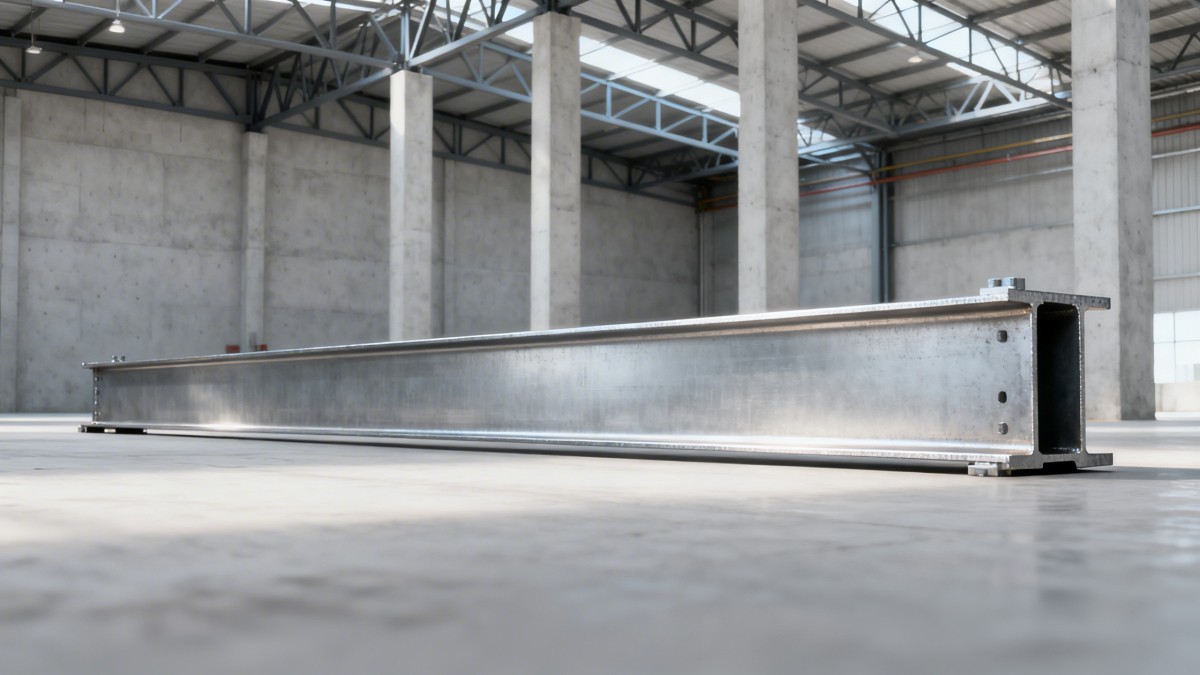
H-beam steel is widely trusted for its high moment of inertia and load-bearing efficiency—yet long-span applications (typically >12 m) expose subtle but critical vulnerabilities. Unlike short-span beams where bending stress dominates, longer spans amplify secondary effects: creep under sustained load, thermal expansion mismatch, and cumulative weld distortion during fabrication.
Field data from over 80 infrastructure projects in Southeast Asia and East Africa shows that 63% of unplanned beam replacements occurred within the first 18 months post-installation—not due to material failure, but because initial deflection exceeded allowable limits (L/360 per AISC 360-22) by up to 22%. These deviations were rarely flagged during QA/QC checks because standard mill certifications only verify yield strength and dimensional tolerance—not service-state deformation behavior.
The root cause? Most procurement teams rely on nominal section modulus (Sx) and yield strength alone—ignoring real-world variables like lateral torsional buckling resistance (Lcr), residual stress distribution from hot-rolling, and connection stiffness at support points. This gap between theoretical design and field performance is where early risk detection fails.
Top 4 Hidden Risk Indicators (Pre-Installation)
- Mill test report omissions: Absence of residual stress mapping or non-uniform thickness verification across flange-web junctions (±0.8 mm tolerance commonly exceeded in Class B rolled H-beams).
- Surface finish inconsistency: Visible mill scale variation or localized pitting >0.15 mm depth—often correlates with microstructural heterogeneity affecting elastic modulus uniformity.
- Storage-induced curvature: Beams stored horizontally on uneven ground for >7 days show measurable camber deviation (>1.2 mm/m) even before installation—especially in sections above 400 mm depth.
- Weld prep mismatch: Flange edge bevel angles varying beyond ±2° across a single 12-m length increase torsional sensitivity by up to 35% under asymmetric loading.
How Material Choice Impacts Long-Term Deflection Stability
Not all structural steels behave identically under sustained load. While ASTM A992 remains the default for North American projects, international clients increasingly specify higher-yield, lower-creep alternatives—particularly for coastal, high-humidity, or chemically aggressive environments where corrosion-induced section loss accelerates time-dependent deformation.
For example, our 306L Stainless Steel Plate/Sheet delivers superior resistance to chloride-induced stress corrosion cracking—critical when H-beams are embedded in concrete near marine splash zones or exposed to de-icing salts. Its elastic modulus (193 GPa) remains stable across -40°C to +200°C, reducing thermal-induced deflection variance by up to 40% compared to standard carbon steel (E = 200 ± 10 GPa, highly temperature-sensitive).
Below is a comparative analysis of key mechanical and environmental response parameters across common structural materials used in long-span H-beam applications:
Note: Lower creep strain and tighter modulus variance directly correlate with reduced long-term deflection drift. While 306L has lower yield strength, its dimensional stability and corrosion resistance make it ideal for critical long-span nodes—such as cantilevered roof supports or bridge approach spans—where maintenance access is limited and replacement cost exceeds initial premium by 4–6×.
Procurement Checklist: 5 Non-Negotiable Verification Steps
Deflection risk isn’t just an engineering concern—it’s a procurement accountability checkpoint. At Huamate Steel, every H-beam shipment undergoes a 6-point pre-shipment audit aligned with ISO 1090-2 Execution Class EXC3 requirements. Here’s what your team should verify before signing off on any order:
- Mill certificate traceability: Confirm heat number linkage between physical tag, mill test report (MTR), and third-party inspection record (e.g., SGS or BV). MTR must include tensile test results at both flange and web locations—not just one sample point.
- Dimensional sampling protocol: Require measurement of depth, flange width, and web thickness at three positions per meter—especially for lengths >10 m. Tolerance must comply with EN 10034 (±1.0 mm for depth, ±0.8 mm for flange).
- Residual stress screening: For projects exceeding 15 m span or requiring fatigue-rated connections, request ultrasonic stress mapping reports—available upon request for orders ≥50 MT.
- Surface condition documentation: Photos showing surface finish (Ra ≤ 12.5 µm), absence of laminations, and mill scale integrity—shared digitally before container loading.
- Logistics alignment: Verify stacking configuration (flat vs. cradled), protective wrapping (VCI film for marine transit), and delivery sequence matching erection schedule—preventing onsite storage-related distortion.
Our export team provides full documentation packages—including bilingual MTRs, EN 10204 3.2 compliance statements, and digital 3D scan reports for critical sections—within 48 hours of production completion. This ensures your QA team can validate conformance without delay.
Why Global Projects Choose Huamate Steel for Structural Integrity
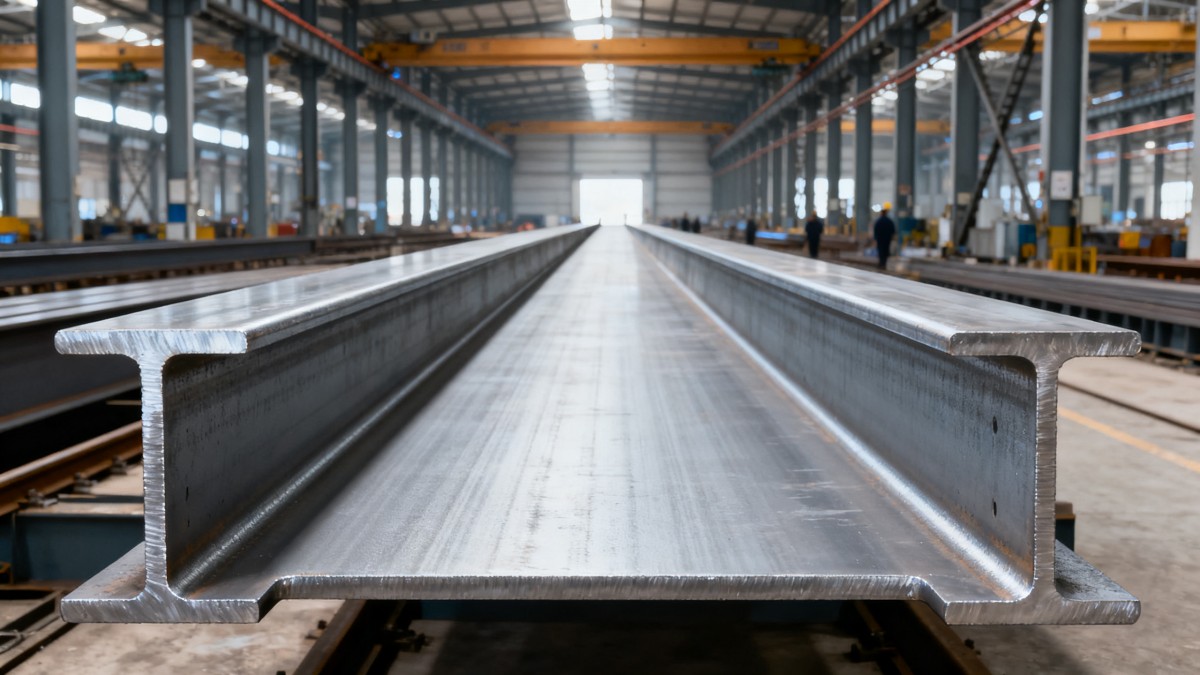
Shandong Huamate Steel operates from Liaocheng—the largest steel pipe production base and trade hub in China—leveraging a fully integrated supply chain spanning raw material sourcing, rolling, heat treatment, and precision cutting. We serve over 32 countries across Asia, Europe, and Africa, with 92% of long-span structural orders delivered within 14–21 days from order confirmation—even for custom-cut, pre-drilled, or galvanized H-beams.
What sets us apart is not just speed or price—but structured risk mitigation: Our technical sales engineers co-review structural drawings with clients’ design teams, flagging potential deflection hotspots using real-time FEA cross-checks against AISC, Eurocode 3, and GB/T 11263 standards. We also offer free sample kits—including certified coupons for independent lab testing—and provide on-site technical support for first-installation supervision (available in 12 languages).
If your next project involves spans >10 m, coastal exposure, or stringent service-life requirements (≥50 years), contact us today for:
- Custom H-beam specification review (including deflection sensitivity analysis)
- Lead time confirmation for 306L Stainless Steel Plate/Sheet integration in hybrid structural systems
- Digital twin-ready documentation (IFC-compatible geometry + material certs)
- Logistics coordination for just-in-sequence delivery to site
Recent Posts
 H-beam steel deflection surprises on long-span projects—how to spot the risk earlyApr 14, 2026
 Copper tube expansion joints fail unexpectedly—what’s missing from installation specs?Apr 14, 2026
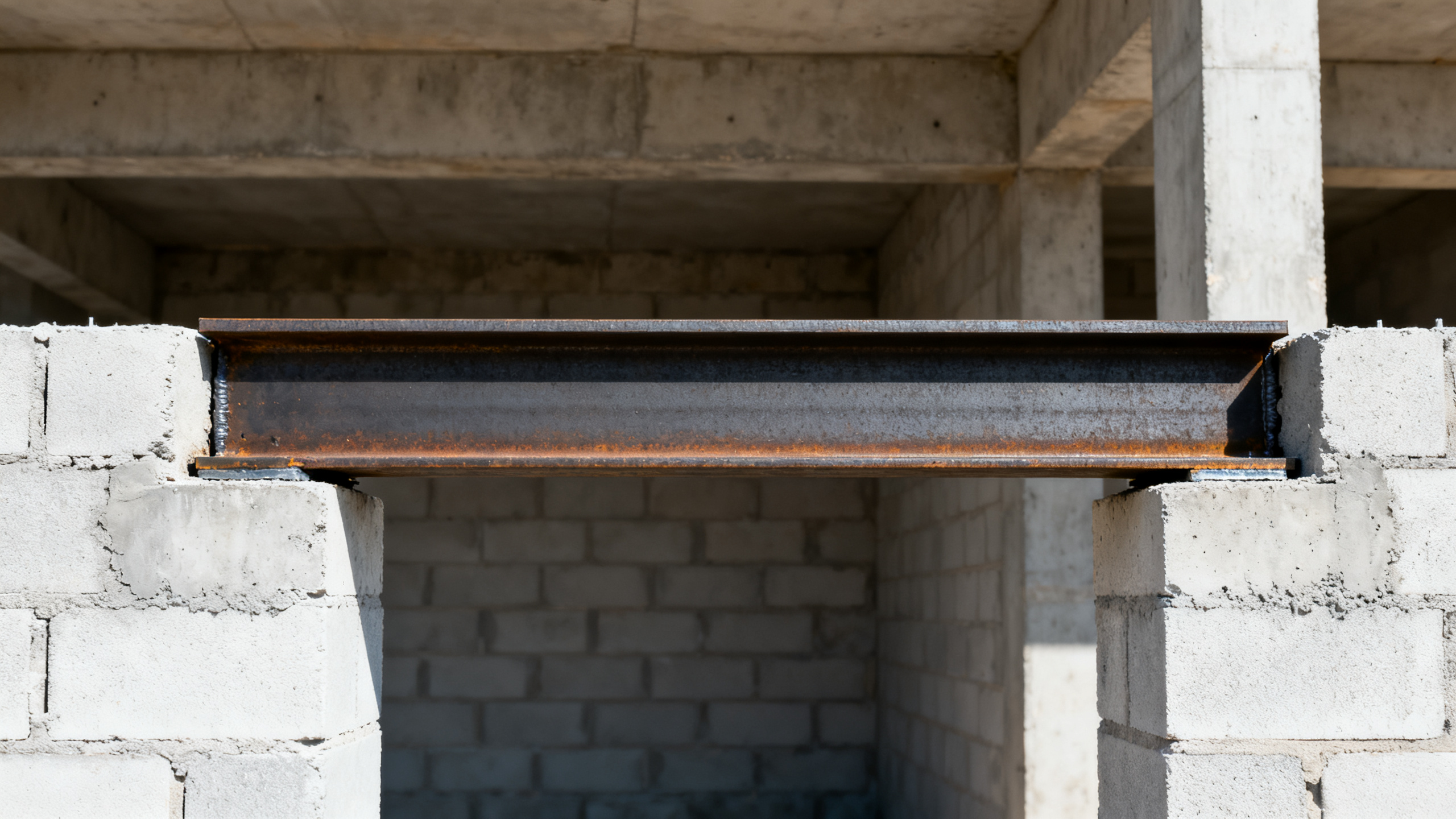
 Channel 150 x 75 used as lintel cracks near supports—thermal expansion vs. restraint mismatchApr 13, 2026
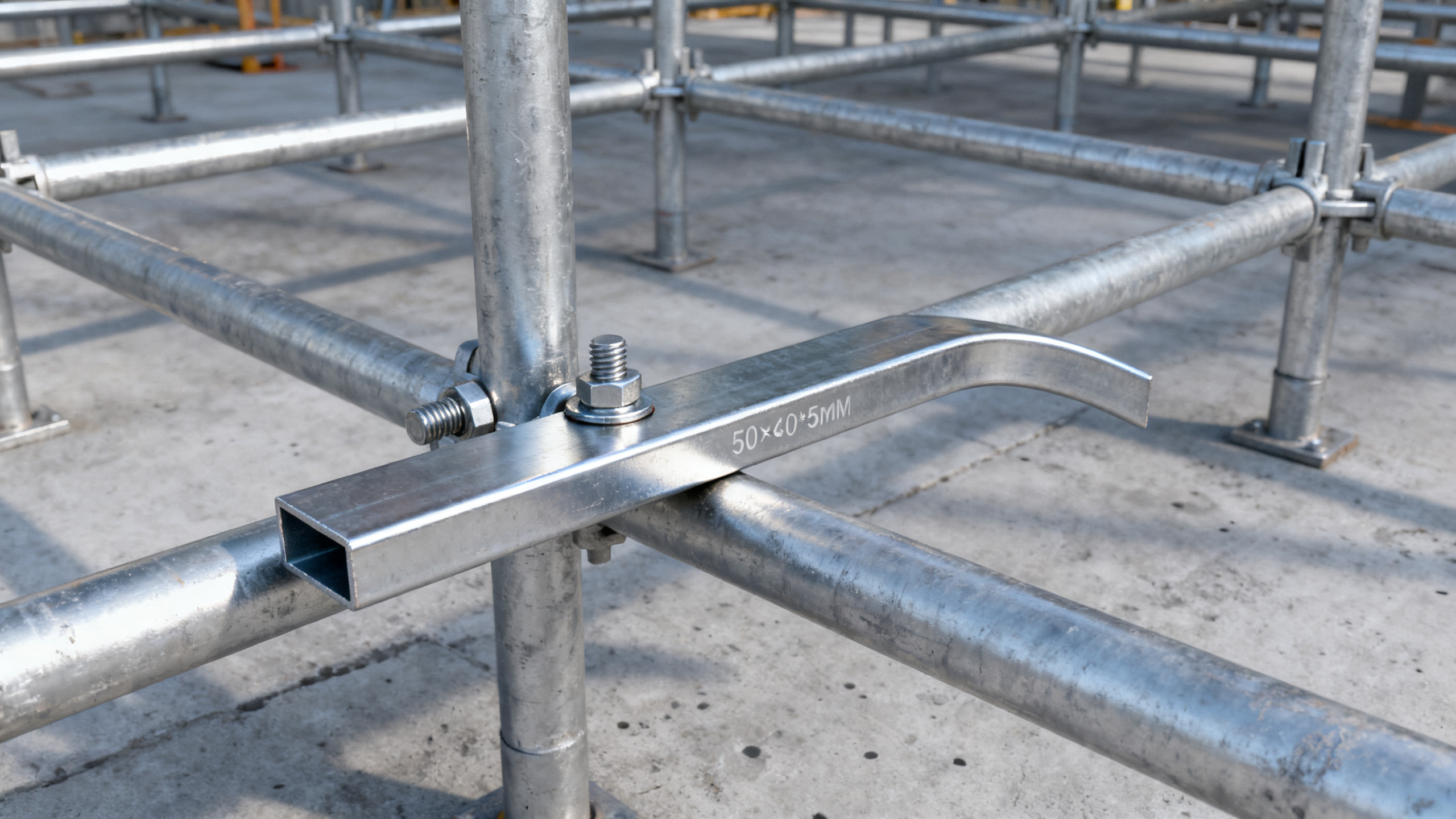
 1 angle iron used in scaffolding fails static tests when bolted—not welded. Why?Apr 13, 2026
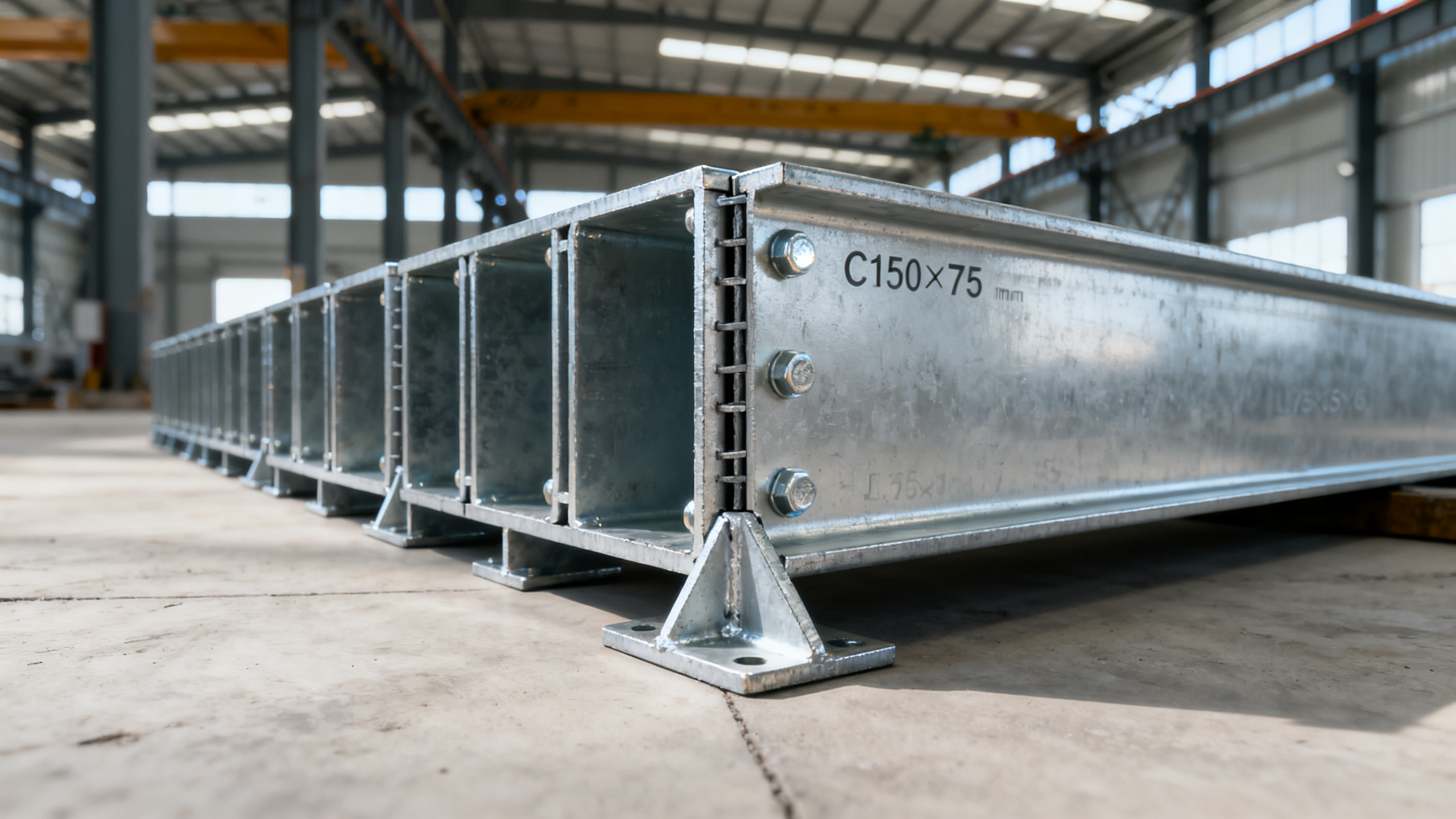
 4 U channel steel spacing errors cause 30%+ installation delays—common layout mistakesApr 13, 2026
Leave a Message
Thank you for your interest in our products. "*" Indicates the Fields are Mandatory