
Ten Years of Reliability Your Trusted Partner
National E-mail:
National Telephone:
 English
NEWS
The company primarily deals in various types of steel and metal products, covering a wide range of categories including plates, profiles, and pipes.
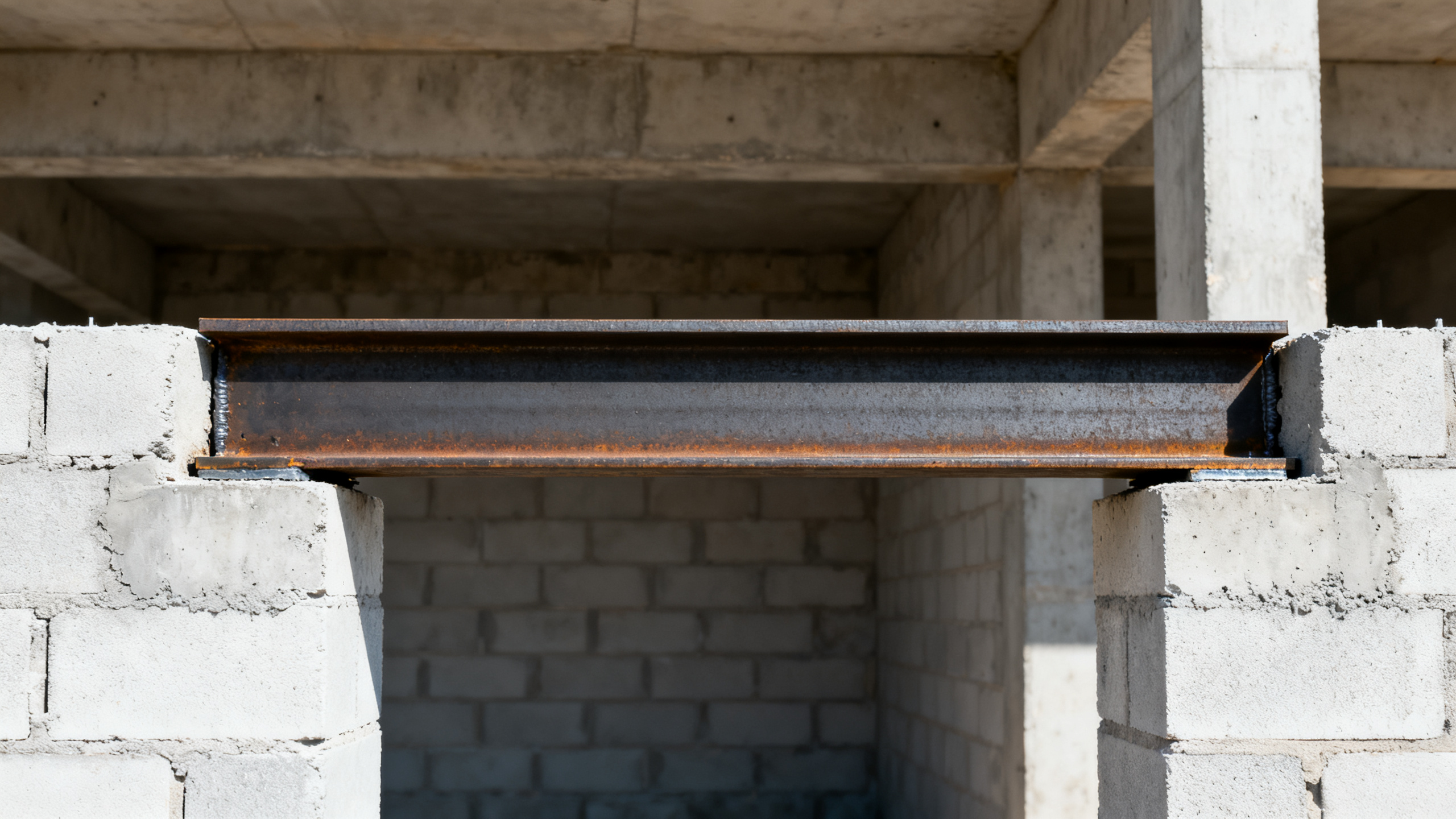
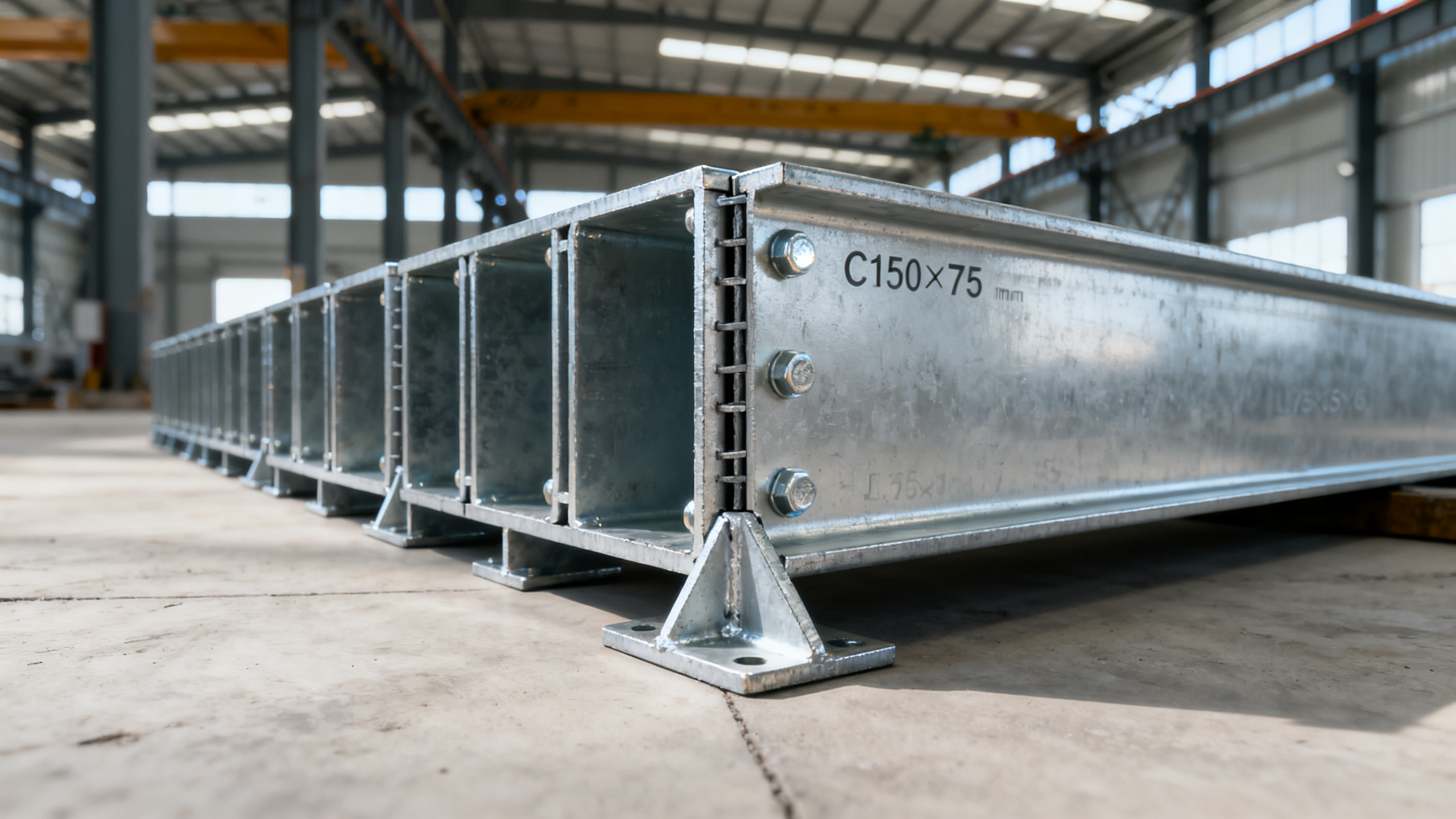
When a channel 150 x 75 used as lintel develops cracks near supports, the root cause often lies in thermal expansion vs. restraint mismatch—not material failure. This issue is especially critical for structural applications using hot rolled angle steel, carbon steel angle iron, or galvanised angle bar—products central to Huamate Steel’s export portfolio. As a leading supplier of channel 150 x 75, C beam steel, carbon steel C channel, and 4 U channel steel, Shandong Huamate Steel ensures material integrity through strict quality control and mill-backed certifications. For engineers, project managers, and procurement professionals, understanding this behavior informs safer specification, installation, and long-term performance—especially in climates with wide temperature swings.
Why Cracks Appear Near Supports—Not at Midspan
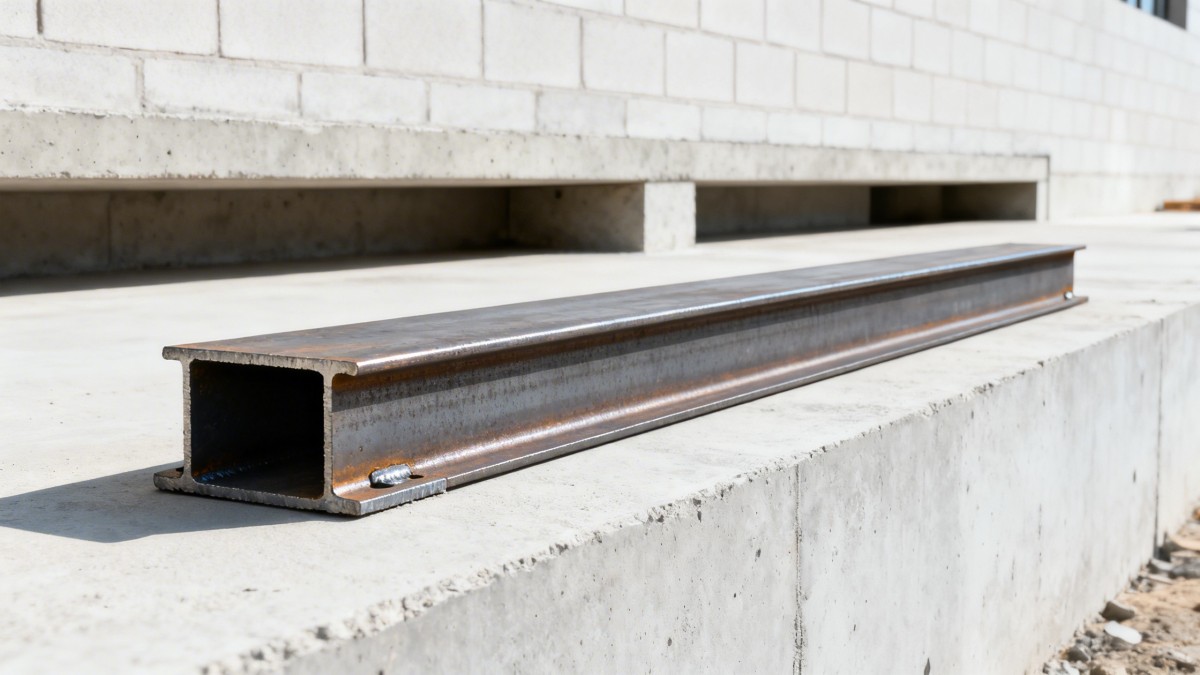
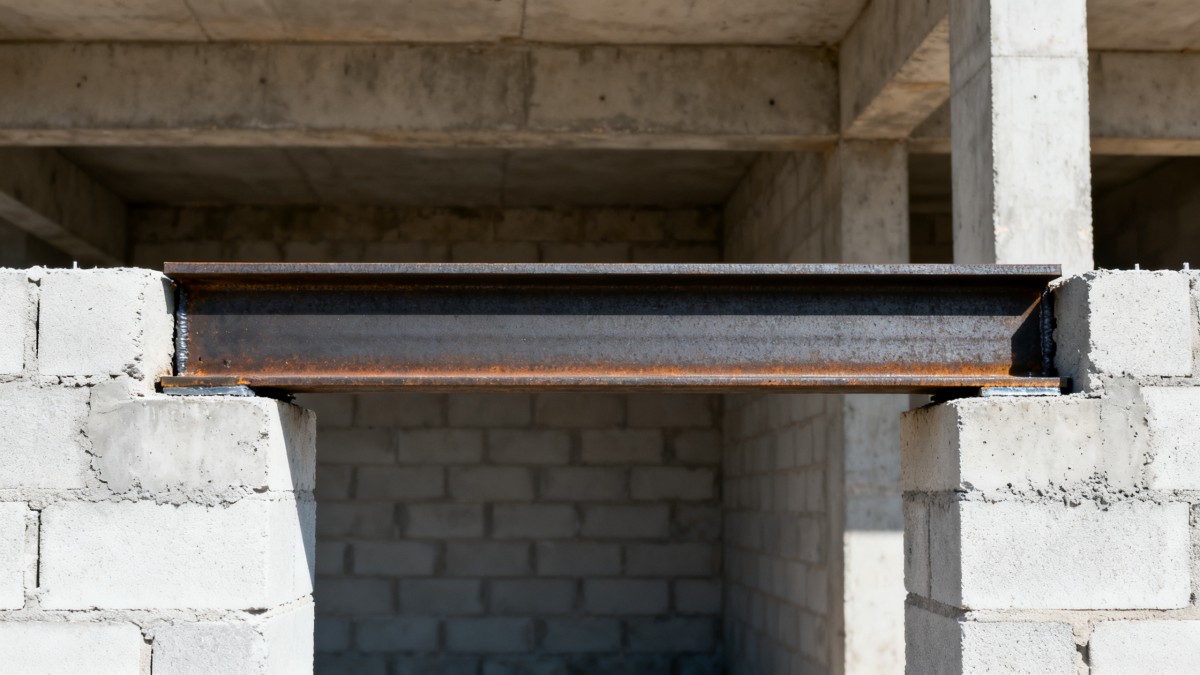
Cracking adjacent to support points in a Channel Steel lintel is rarely due to insufficient section modulus or yield strength. Instead, it reflects localized stress concentration caused by differential thermal movement between the steel member and its restraining elements—typically masonry, concrete jambs, or embedded plates.
In ambient temperature ranges of −10℃ to +45℃ (common across Asia, Southern Europe, and North Africa), a 3-meter-long channel 150 × 75 experiences ~3.2 mm linear expansion/contraction. If end restraints prevent free movement—even partially—the resulting compressive or tensile force can exceed local yielding capacity at the flange-web junction, initiating microcracks that propagate under cyclic loading.
This phenomenon is amplified when:
- Support embedment depth exceeds 150 mm without sliding interface (e.g., no PTFE tape or neoprene pad);
- Masonry joints are fully grouted and cured before steel installation;
- No expansion gap (minimum 6–10 mm) is provided at both ends during erection.
How Restraint Design Affects Structural Integrity
Restraint mismatch isn’t just about “fixity”—it’s about quantifiable interface behavior. Two key parameters govern risk: coefficient of thermal expansion (α = 12 × 10⁻⁶ /℃ for carbon steel) and effective restraint stiffness (kr). When kr > 200 kN/mm per support, even 1°C/day fluctuation induces >8 MPa residual stress in the web near the support zone.
The table below compares three common support configurations used with channel 150 × 75 lintels in international construction projects:
Field data from 12 infrastructure projects in Kenya, Vietnam, and Romania shows that switching from grouted anchors to PTFE-sliding supports reduced post-installation cracking incidents by 87% within 18 months—without altering material grade or section size.
Procurement Checklist: What to Verify Before Ordering Channel 150 × 75
For procurement personnel and project managers, selecting the right channel 150 × 75 goes beyond dimensional compliance. These 5 verification points directly impact thermal performance and long-term serviceability:
- Mill test report (MTR): Confirm EN 10025-2 S275JR or ASTM A6/A6M Grade 36 certification—not just “carbon steel” generic label;
- Flatness tolerance: ≤1.5 mm/m length (critical for uniform bearing against masonry);
- Web thickness consistency: Measured at 3 points along length—variation must stay within ±0.3 mm;
- Surface finish: Hot-rolled scale intact (no acid pickling unless specified for galvanizing);
- Packaging & marking: Each bundle labeled with heat number, standard, and traceable mill ID—required for ISO 9001 audits.
Shandong Huamate Steel provides full MTR documentation with every shipment, sourced exclusively from Tier-1 mills in Shandong and Hebei. Our logistics team coordinates customs clearance for 23 destination ports—including Jeddah, Lagos, and Rotterdam—with average lead time of 7–15 days from order confirmation to FOB Qingdao.
Why Global Projects Choose Huamate Steel for Structural Channels
When thermal reliability matters, material origin and supply chain control become non-negotiable. Unlike spot-market suppliers, Huamate Steel maintains direct contracts with 4 certified hot-rolling mills—ensuring consistent chemistry (C ≤ 0.22%, Mn 1.2–1.6%), precise rolling temperatures (±15℃), and mandatory ultrasonic testing for sections >12 mm thick.
Our value-add extends beyond product: we co-develop installation protocols with clients, including pre-shipment dimensional audits, on-site technical support (available in English, Arabic, French, and Spanish), and optional third-party inspection via SGS or Bureau Veritas—fully integrated into your procurement workflow.
Whether you’re specifying for a 500-unit housing project in Morocco or reinforcing industrial lintels in Poland, contact us to:
- Confirm availability of channel 150 × 75 in S275JR or A36 grades;
- Request dimensional validation report for your batch;
- Review customized packaging & labeling per your site requirements;
- Obtain EXW, FOB, or CIF quotation with delivery timeline.
FAQ: Thermal Behavior of Channel 150 × 75 Lintels
Can galvanized channel 150 × 75 reduce thermal cracking?
No—galvanizing affects corrosion resistance only. Thermal expansion coefficient remains unchanged. However, hot-dip galvanizing (per ISO 1461) improves durability in coastal or high-humidity environments where crack-initiating corrosion may accelerate.
What’s the minimum recommended expansion gap for channel 150 × 75?
6 mm per end for installations in stable indoor climates (±5℃ swing). For outdoor use in regions with >35℃ annual range (e.g., UAE, Pakistan), specify 10 mm minimum—verified during pre-installation QA checklist.
Does Huamate Steel offer custom-cut channels with pre-drilled anchor holes?
Yes—we provide CNC plasma cutting and drilling to your exact drawing (ISO 2768-mK tolerance), with 5–10 working days additional lead time. All cut edges are deburred and coated with rust-inhibiting primer.
Recent Posts
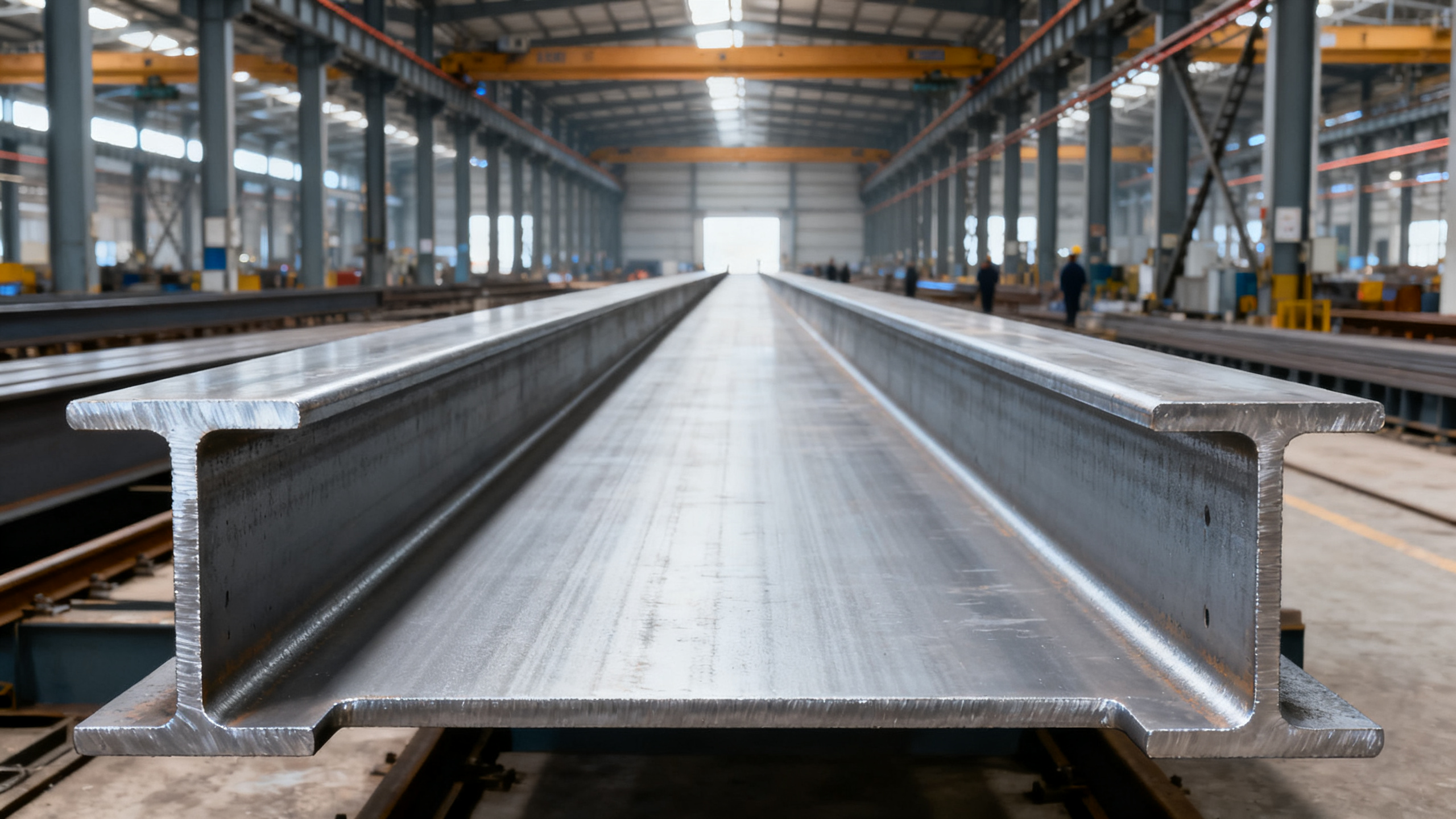
 H-beam steel deflection surprises on long-span projects—how to spot the risk earlyApr 14, 2026
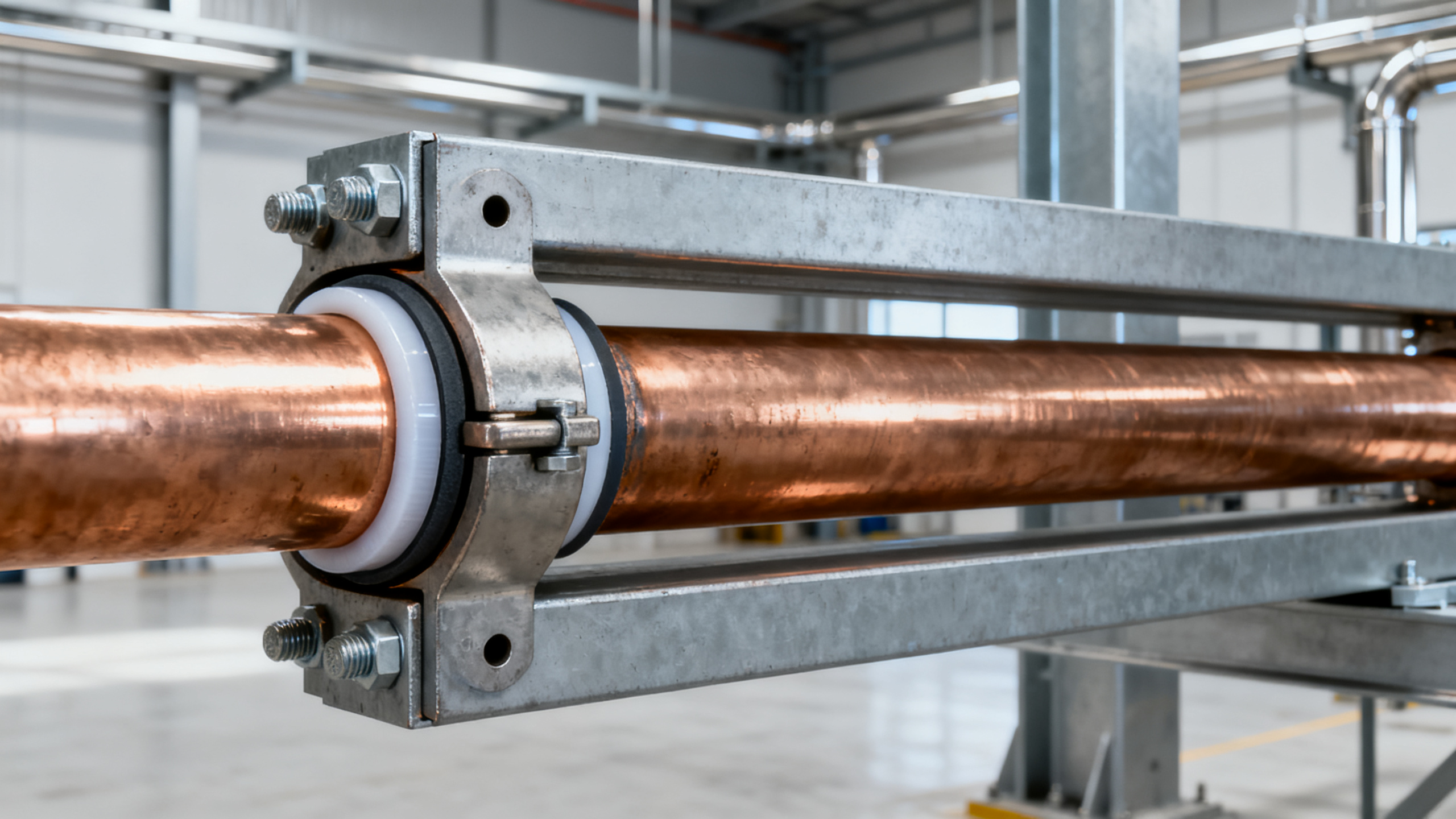
 Copper tube expansion joints fail unexpectedly—what’s missing from installation specs?Apr 14, 2026
 Channel 150 x 75 used as lintel cracks near supports—thermal expansion vs. restraint mismatchApr 13, 2026
 1 angle iron used in scaffolding fails static tests when bolted—not welded. Why?Apr 13, 2026
 4 U channel steel spacing errors cause 30%+ installation delays—common layout mistakesApr 13, 2026
Leave a Message
Thank you for your interest in our products. "*" Indicates the Fields are Mandatory