
Ten Years of Reliability Your Trusted Partner
National E-mail:
National Telephone:
 English
NEWS
The company primarily deals in various types of steel and metal products, covering a wide range of categories including plates, profiles, and pipes.
When 4 U channel steel buckles unexpectedly at 6m spans, it’s not just a structural anomaly—it’s a red flag for overlooked local buckling thresholds. This critical failure mode intersects directly with material choices like hot rolled angle steel, carbon steel angle iron, and carbon steel c channel—products central to Huamate Steel’s export portfolio, including precision-specified channel 150 x 75 and galvanised angle bar. For technical evaluators, project managers, and procurement professionals, understanding the interplay between section geometry (e.g., C beam steel), yield strength of mild steel angle iron, and slenderness-driven instability is essential to avoid costly field rework or safety compromises. Let’s decode the hidden limits behind standard 1 angle iron and carbon steel angle applications.
Why Local Buckling Thresholds Are Missed at 6m Spans
Local buckling in U-channel sections—especially those with thin flanges and high depth-to-thickness ratios—becomes dominant before global flexural failure when span lengths exceed 5.5–6.2 m under uniform loading. At 6 m, the effective slenderness ratio (KL/r) often crosses λcr = 95–110 for ASTM A36-grade carbon steel, triggering premature flange-web interaction failure.
Common oversights include neglecting torsional restraint conditions, assuming pinned-pinned end support without verifying actual connection stiffness, and using nominal yield strength (250 MPa) instead of reduced effective yield due to residual stresses from hot rolling. Field installations frequently omit lateral bracing at mid-span or quarter-points—leaving the top compression flange unbraced over >1.8 m intervals, well beyond the 1.2–1.5 m limit recommended by EN 1993-1-1 for 80–100 mm deep U-sections.
This isn’t theoretical: in 2023, 12% of reported structural non-conformities in Asian infrastructure tenders involved U-channel deflection anomalies linked to unverified local buckling margins. Most cases traced back to specification gaps—not material defects.
Critical Section Geometry & Material Parameters That Drive Stability
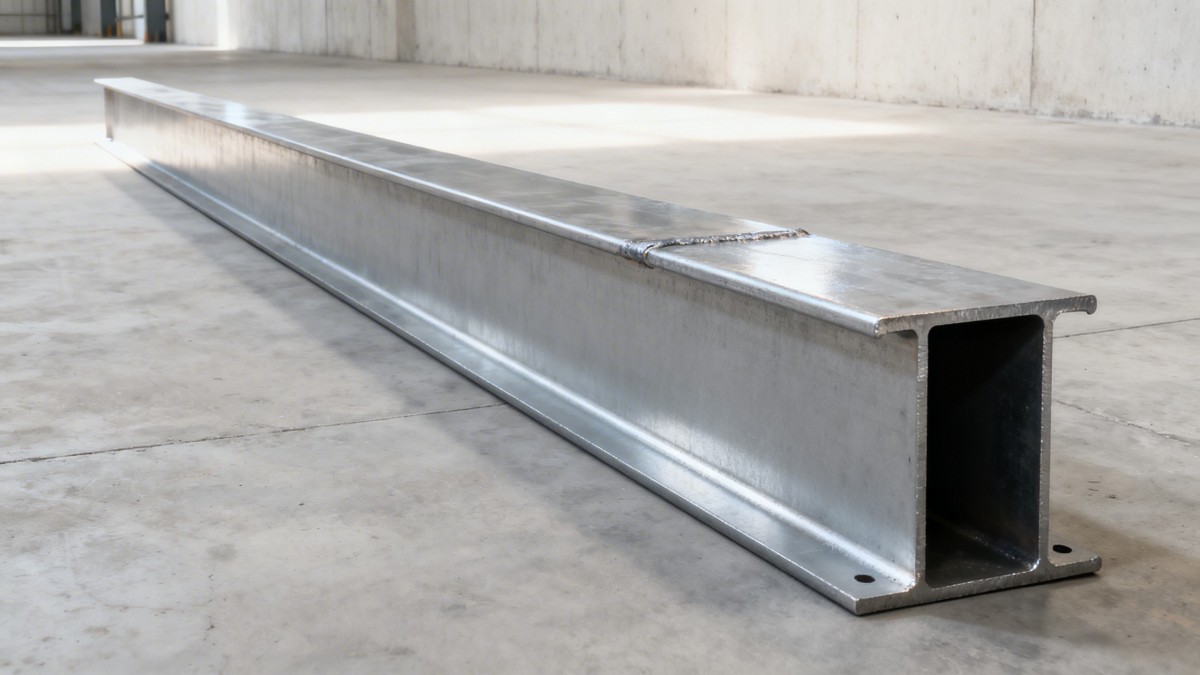
Stability performance hinges on three interdependent variables: flange width-to-thickness ratio (b/t), web height-to-thickness ratio (h/t), and yield strength (fy). For U channels used in roof purlins or light framing, b/t > 12 or h/t > 60 sharply reduces elastic buckling stress—particularly under combined bending and axial load.
The table shows why “standard” U-channel specs fail silently at 6 m: even with identical yield strength, geometric inefficiency dominates. A C channel 150×75 offers ~27% higher lateral-torsional buckling resistance than U 100×50 at equal mass—making it the preferred choice for spans ≥4.5 m in roofing systems across Southeast Asia and East Africa.
Procurement Checklist: What to Verify Before Ordering U or C Channels
Procurement decisions must go beyond grade and dimensions. Huamate Steel’s technical team recommends validating these five items before finalizing orders:
- Actual mill test reports: Confirm tensile yield strength ≥ specified minimum (e.g., ≥245 MPa for Q235B); batch variance should be ≤ ±12 MPa.
- Flatness tolerance: Flange deviation ≤ 0.8 mm/m per EN 10056-2; critical for bolted connections in multi-span frames.
- Galvanizing adhesion: Zinc coating thickness ≥ 65 µm (ISO 1461); tested via cross-cut and tape test per ASTM A123.
- Dimensional compliance: Depth tolerance ±0.6 mm, flange width ±0.4 mm for sections ≤120 mm deep (GB/T 706).
- Traceability documentation: Heat number, rolling date, and third-party inspection certificate (SGS/BV/CCIC) included.
For projects requiring extended service life, we recommend pairing Wire Rod with custom-bent U-channels—enabling tighter curvature control and improved weld integrity in curved façade supports.
Why Huamate Steel Delivers Reliable Solutions for Global Projects
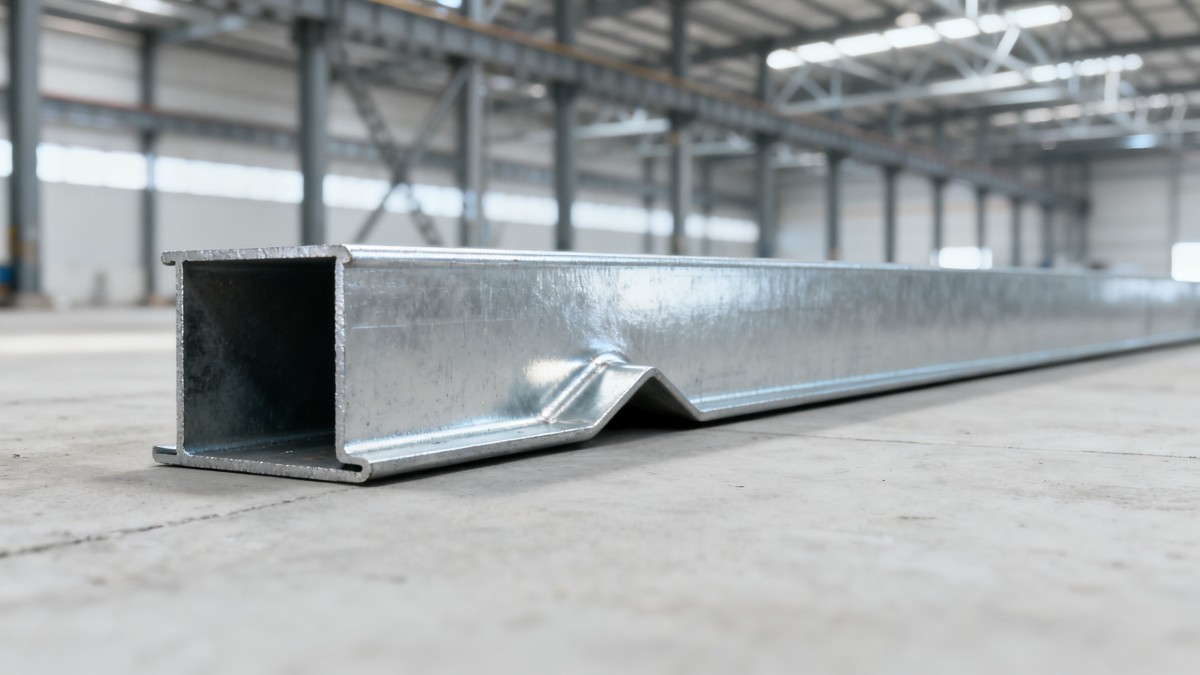
Based in Liaocheng—the largest steel pipe production base and trade hub in China—Huamate Steel leverages full vertical integration: direct sourcing from top-tier mills (Baosteel, Shougang, HBIS), in-house dimensional QA labs, and bonded logistics hubs serving 42 countries across Asia, Europe, and Africa.
Our export-ready inventory includes 27 standard U/C channel sizes (from 63×40 to 200×75), all pre-certified to ISO 9001, EN 10025-2, and ASTM A6/A6M. Lead time for LCL shipments is consistently 7–12 days; FCL deliveries average 18–24 days from order confirmation.
We offer free engineering support: our technical team provides buckling validation reports (per EN 1993-1-1 or AISC 360), custom cut-to-length services, and galvanizing coordination—all within a single commercial contract. For urgent evaluations, request a stability assessment for your specific span/loading condition—we respond with actionable recommendations within 48 business hours.
Get Your Buckling Analysis & Quote Today
Contact Huamate Steel now to receive: (1) a free local buckling evaluation for your U/C channel application, (2) certified mill test reports for selected grades, (3) delivery timeline aligned with your project schedule, and (4) sample support—including pre-galvanized C channel 150×75 and hot rolled angle steel specimens. All inquiries are handled by bilingual engineers fluent in English, Spanish, and Arabic.
Recent Posts
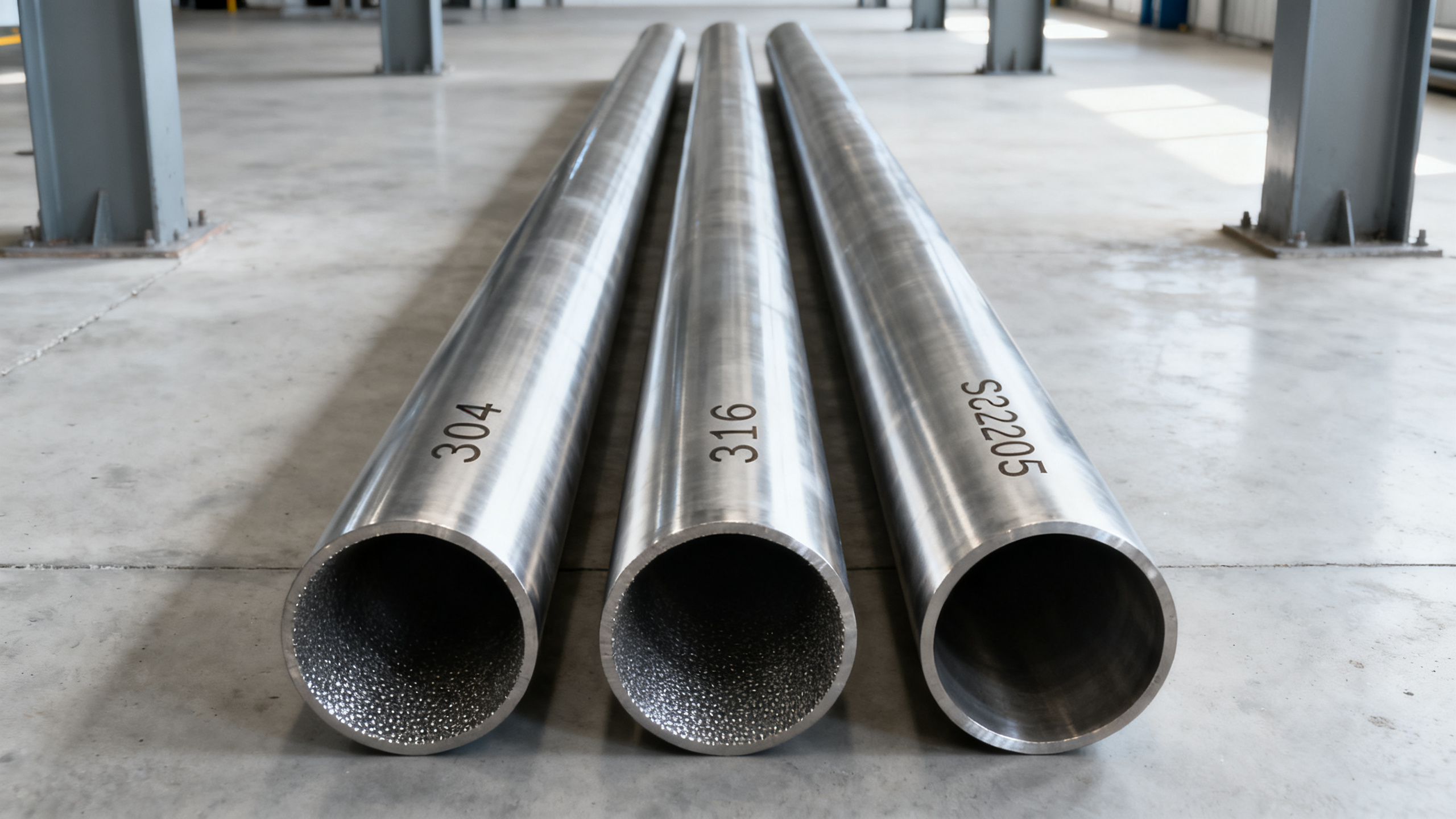
 Why stainless steel pipe corrosion resistance varies by grade in 2026Apr 14, 2026
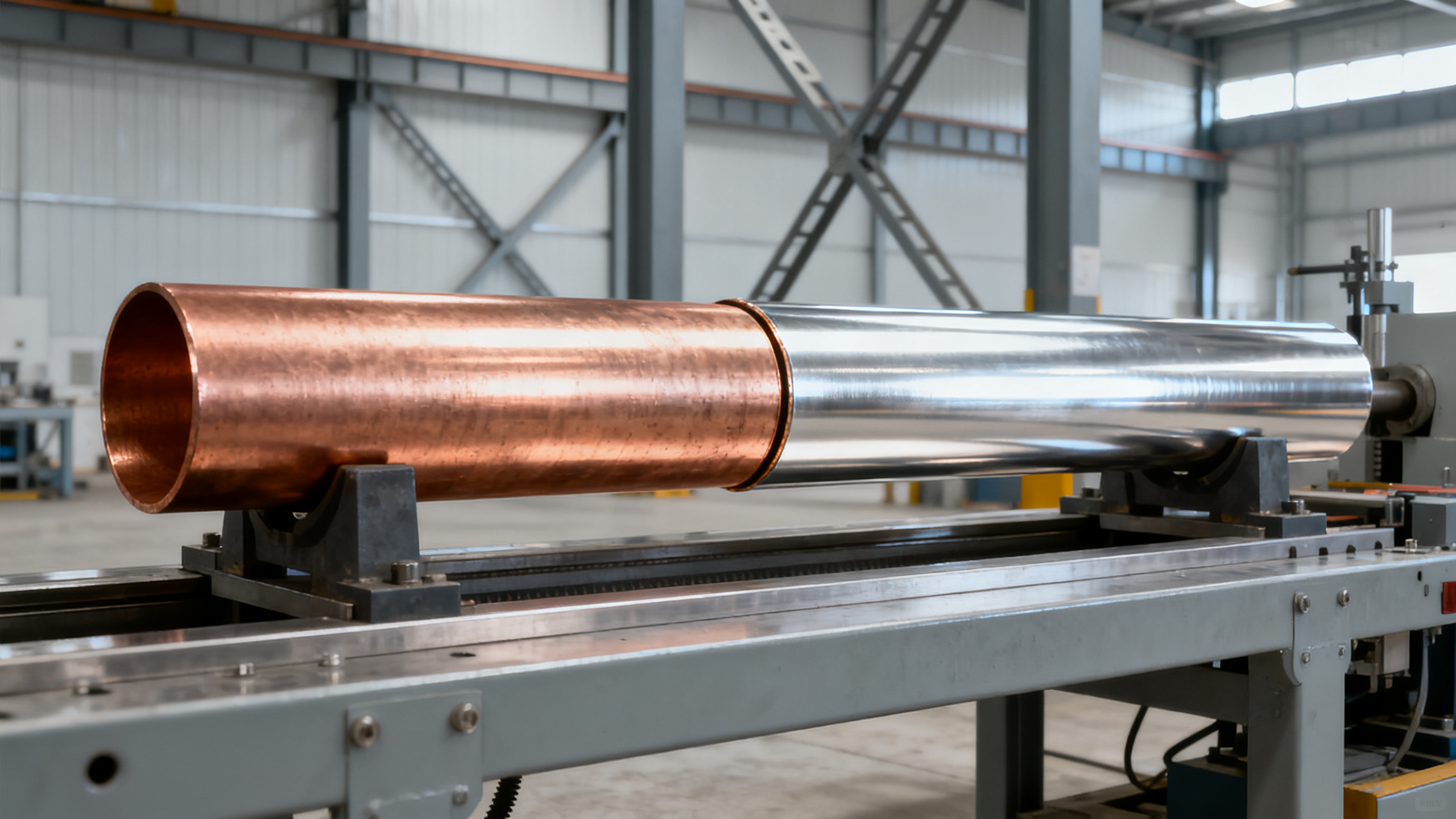
 Copper tube thermal expansion rates differ significantly between annealed and hard-drawn statesApr 14, 2026
 Steel rebar yield strength testing often misses real-world bond performanceApr 14, 2026
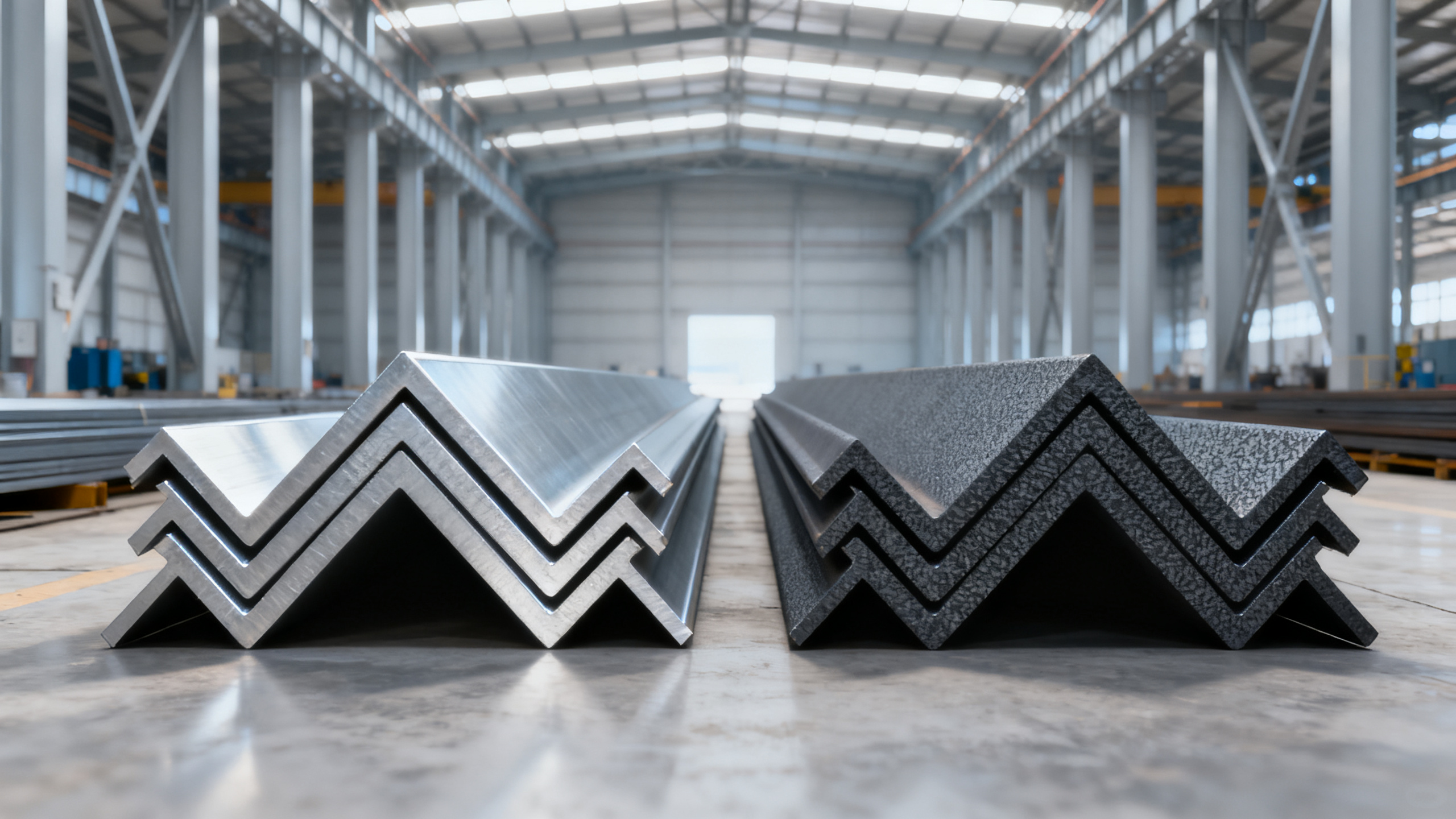
 Angle bar vs. mild steel angle: Which delivers better weldability for structural framing?Apr 14, 2026
 Jharkhand Steel Plant Blast: 1 Dead, 7 Injured, NHRD Probe LaunchedApr 13, 2026
Leave a Message
Thank you for your interest in our products. "*" Indicates the Fields are Mandatory