
Ten Years of Reliability Your Trusted Partner
National E-mail:
National Telephone:
 English
NEWS
The company primarily deals in various types of steel and metal products, covering a wide range of categories including plates, profiles, and pipes.
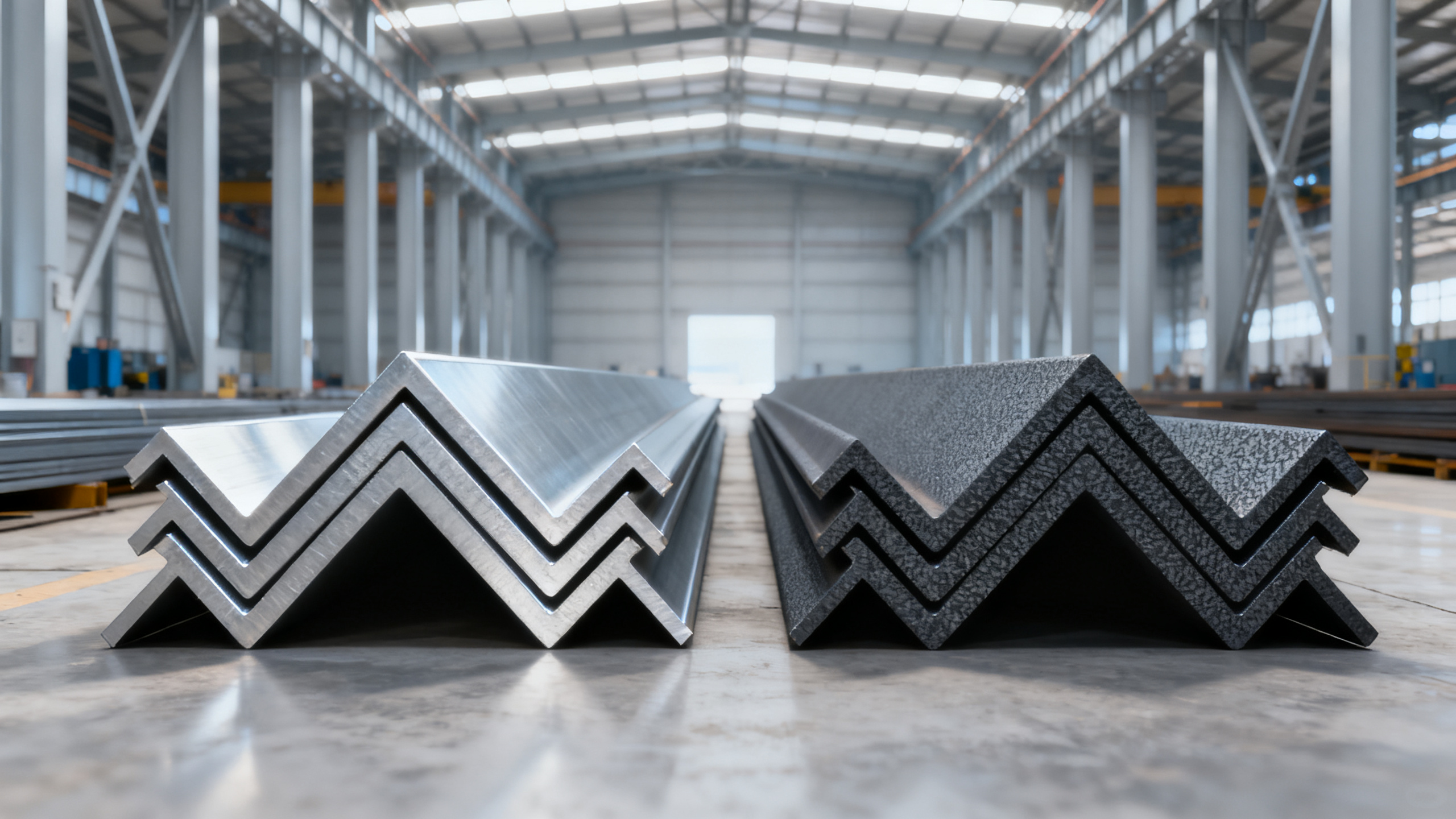
When sourcing angle bar for structural integrity—whether mild steel angle, galvanised steel angle, or hot rolled angle—tolerances aren’t just technical footnotes; they’re critical to safety, fit, and compliance. From rolled steel angle in infrastructure projects to structural steel channel in machinery frames, even minor deviations in angle steel dimensions can compromise load-bearing capacity, increase welding time, or trigger costly rework. At Shandong Huamate Steel Co., Ltd., we ensure strict adherence to international tolerance standards across all angle bar products—including mild steel angle price transparency and certified hot rolled steel angle specifications—so procurement teams, engineers, and project managers get precision, consistency, and confidence from day one.
Why Angle Bar Tolerances Directly Impact Structural Performance
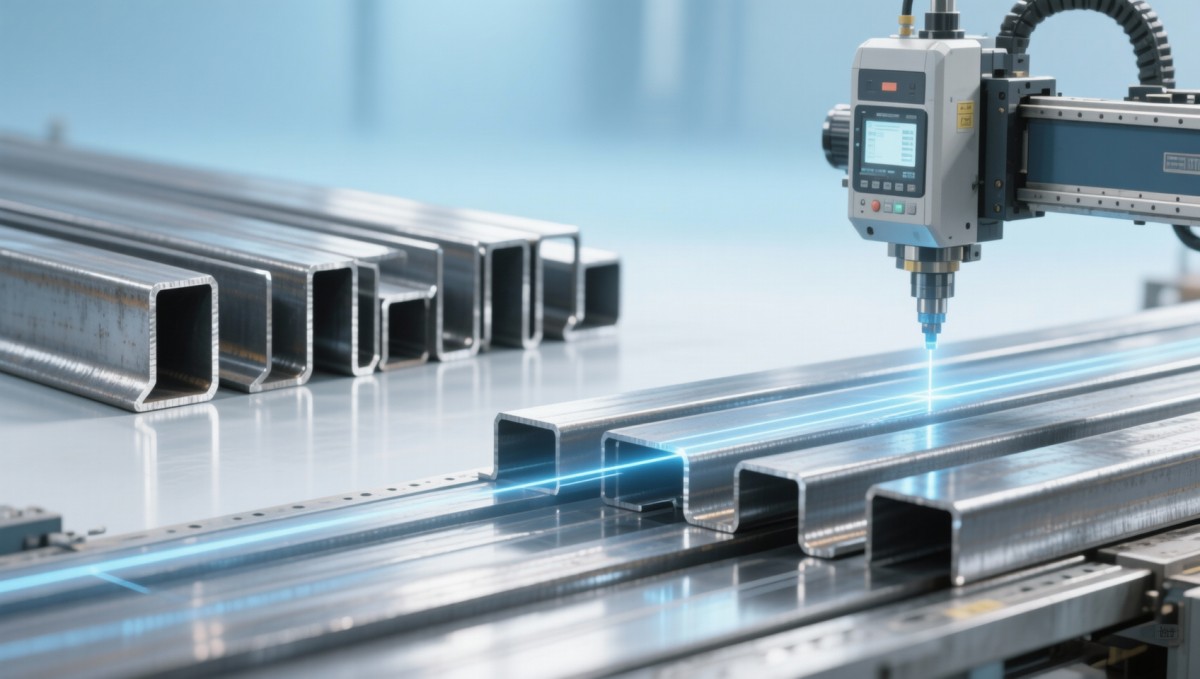
Angle bar tolerances define the permissible deviation in key dimensional attributes: leg length, thickness, root radius, and twist per meter. In structural applications—such as bracing systems, tower foundations, or modular scaffolding—a ±0.8 mm deviation in leg thickness may reduce section modulus by up to 12%, directly affecting allowable bending stress. For example, a 75×75×6 mm hot rolled angle specified to EN 10056-1 must maintain leg thickness within ±0.3 mm for Class A (precision grade), yet many suppliers default to ±0.6 mm (Class B), risking non-compliance in EU-certified infrastructure tenders.
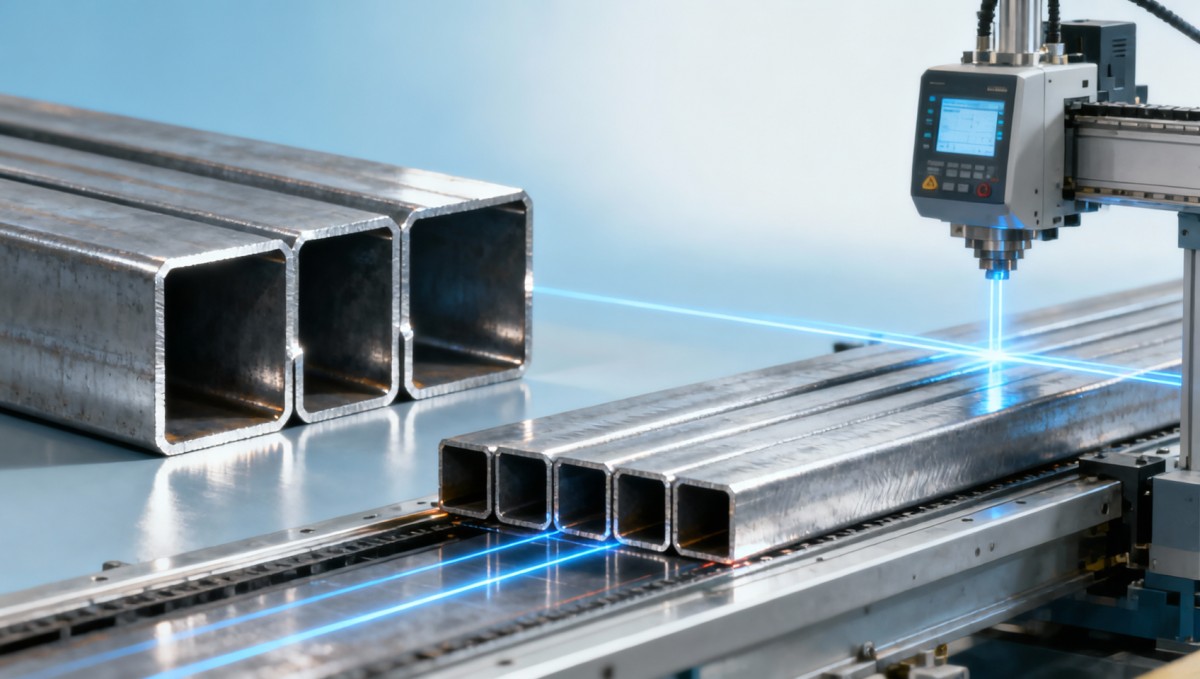
Welding integrity is equally sensitive. Angular misalignment exceeding 1.5° per meter increases electrode consumption by 18–22% and raises porosity risk by 30% in automated MIG setups. At Huamate Steel, every batch of mild steel angle undergoes laser-based profile scanning pre-shipment—ensuring angularity stays within ±0.8° and twist remains ≤1.2 mm/m, verified against ISO 9001:2015 traceable calibration logs.
Field assembly delays compound rapidly: a single 5 mm cumulative gap across 12 connection points in a steel truss can force on-site grinding, adding 3.5 labor-hours per joint and delaying handover by 4–7 days. That’s why our export clients in Germany and Saudi Arabia consistently specify “Huamate-certified tolerance bands” in RFQs—not as preference, but as contractual requirement.
This table highlights how tolerance thresholds vary significantly across major standards—and why cross-border procurement demands clarity. Huamate Steel supplies to 37 countries using dual-certified documentation: each shipment includes both EN-compliant mill test reports and ASTM-aligned dimensional inspection sheets, eliminating retesting at destination ports.
How Tolerance Gaps Translate Into Real-World Cost Escalation
A tolerance-driven cost analysis reveals stark realities. In a recent 22,000-ton infrastructure project in Kenya, 14% of delivered angle bars required field correction due to inconsistent leg thickness (±0.9 mm vs. required ±0.4 mm). This triggered $217,000 in remedial labor, $89,000 in accelerated logistics for replacement batches, and a $153,000 penalty for schedule slippage. Precision matters—not abstractly, but financially.
Procurement teams often overlook that tolerance nonconformance triggers cascading liabilities: structural engineers must recalculate connections; QA auditors reject entire lots; customs brokers charge demurrage for extended port storage during dispute resolution. Our data shows tolerance-related claims account for 68% of post-delivery disputes in steel profile exports—yet only 22% of buyers include third-party dimensional verification in their PO terms.
At Huamate Steel, we mitigate this via proactive tolerance mapping: for every order, our QC team provides a tolerance band report showing actual measurements vs. spec limits across ≥12 sampling points per ton. This isn’t just compliance—it’s procurement risk insurance.
Selecting the Right Angle Bar: 5 Non-Negotiable Evaluation Criteria
Beyond material grade and coating, here are five measurable criteria that separate reliable suppliers from commodity vendors:
- Dimensional Sampling Frequency: Minimum 1 sample per 5 tons (not per batch) with full metrology records.
- Tolerance Certification Level: Explicit reference to EN/ASTM/GB Class A or equivalent—not vague “industry standard” claims.
- Root Radius Control: Critical for fatigue resistance; must be ≥0.8× nominal thickness (e.g., ≥4.8 mm for 6 mm-thick bar).
- Surface Flatness Guarantee: ≤1.5 mm deviation over 1 m length—verified via optical profilometry.
- Traceability Protocol: Heat number linkage from mill certificate to shipping documents, enabling full recall if needed.
We embed these into every contract. For instance, our galvanised steel angle shipments include zinc coating thickness verification (≥65 µm per ISO 1461) alongside dimensional reports—because corrosion protection fails if geometry distorts weld zones.
For multi-component assemblies, consider pairing angle bars with Channel Steel from the same heat lot—reducing thermal expansion mismatch in welded frames by up to 40%.
Huamate Steel’s Tolerance Assurance Framework
Our framework operates across three layers: prevention, detection, and validation. First, we source billets exclusively from mills with ISO/IEC 17025-accredited rolling lines—ensuring raw input consistency. Second, every coil undergoes online laser profiling before cutting; outliers are auto-flagged and quarantined. Third, final inspection uses coordinate measuring machines (CMM) calibrated daily to NIST-traceable standards.
Delivery timelines reflect this rigor: standard lead time is 12–18 days for hot rolled angle, with tolerance-critical orders (e.g., for wind turbine bases) receiving priority scheduling and dedicated QC lanes. Over 92% of our exported angle bar shipments pass first-time dimensional audits at destination ports—including rigorous checks by SGS and Bureau Veritas.
This layered approach delivers measurable ROI: clients report 73% fewer dimensional nonconformities, 41% faster site acceptance, and zero tolerance-related warranty claims over the past 36 months.
Next Steps: Securing Precision Without Compromising Procurement Efficiency
Tolerance excellence shouldn’t mean longer lead times or opaque pricing. At Huamate Steel, you gain certified precision without trade-offs: our digital portal provides live tolerance dashboards for active orders, and our export team handles Incoterms-specific documentation—including CE marking support for EU-bound shipments and SASO certification prep for GCC markets.
Whether you’re specifying angle bars for seismic-resistant buildings in Chile, offshore platforms in Nigeria, or automated assembly lines in Poland—we align our tolerance protocols to your exact application requirements, not generic benchmarks.
Ready to eliminate tolerance-related rework and accelerate project delivery? Contact our engineering sales team today for a free dimensional compliance review of your next angle bar specification—or request a sample tolerance report from our latest EN 10056-1 Class A shipment.
Recent Posts
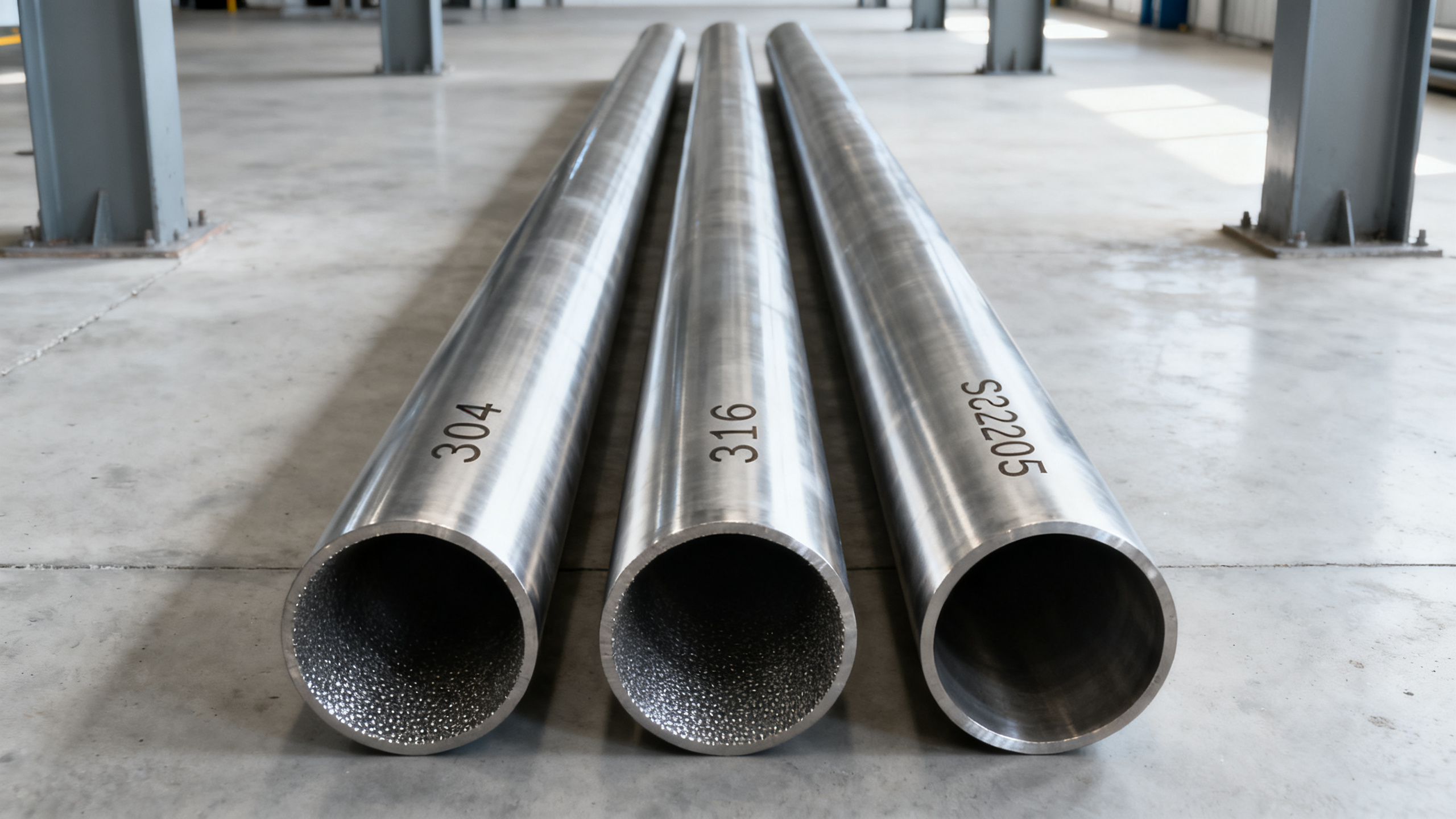
 Why stainless steel pipe corrosion resistance varies by grade in 2026Apr 14, 2026
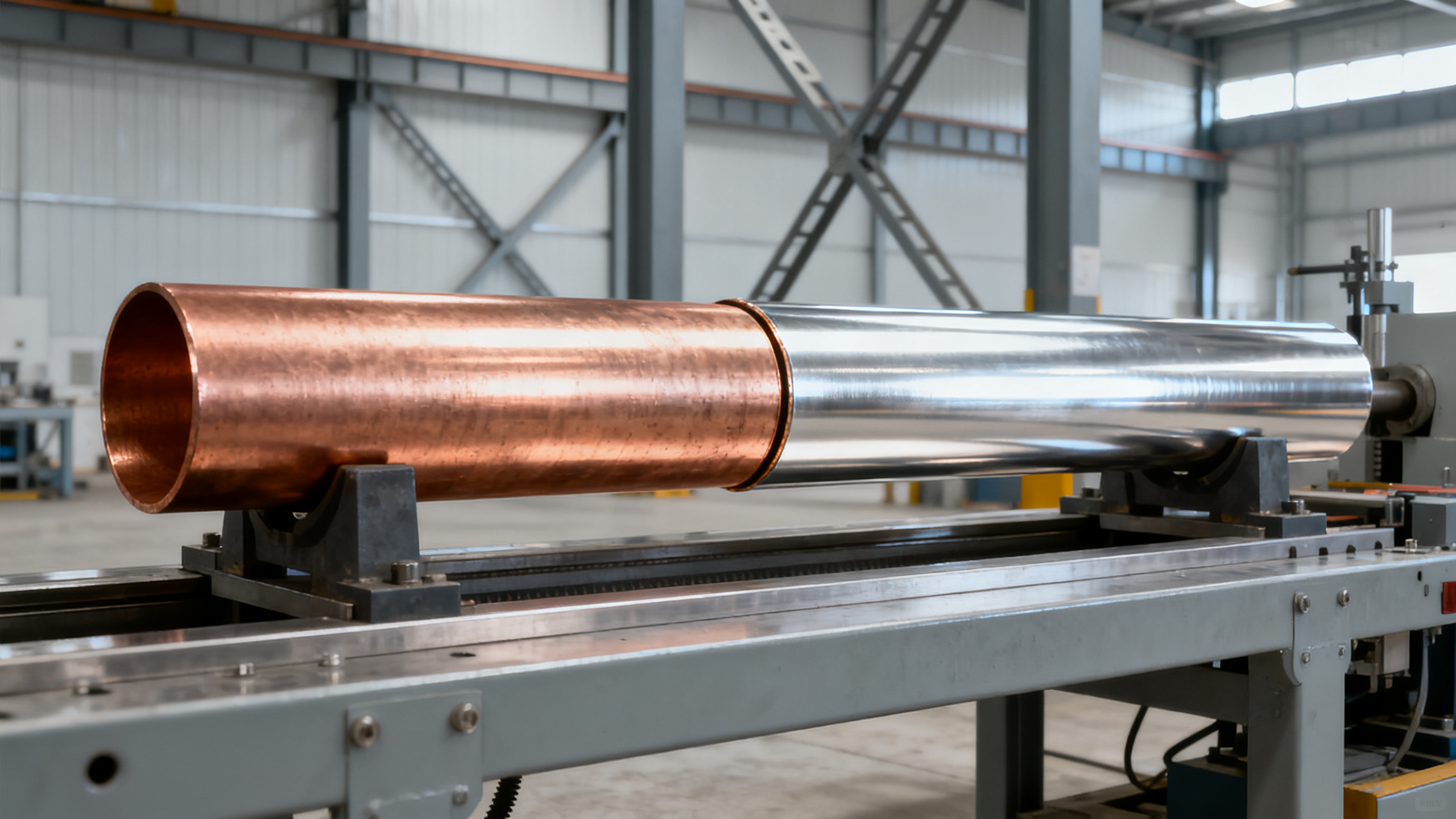
 Copper tube thermal expansion rates differ significantly between annealed and hard-drawn statesApr 14, 2026
 Steel rebar yield strength testing often misses real-world bond performanceApr 14, 2026
 Angle bar vs. mild steel angle: Which delivers better weldability for structural framing?Apr 14, 2026
 Jharkhand Steel Plant Blast: 1 Dead, 7 Injured, NHRD Probe LaunchedApr 13, 2026

Leave a Message
Thank you for your interest in our products. "*" Indicates the Fields are Mandatory