
Ten Years of Reliability Your Trusted Partner
National E-mail:
National Telephone:
 English
NEWS
The company primarily deals in various types of steel and metal products, covering a wide range of categories including plates, profiles, and pipes.
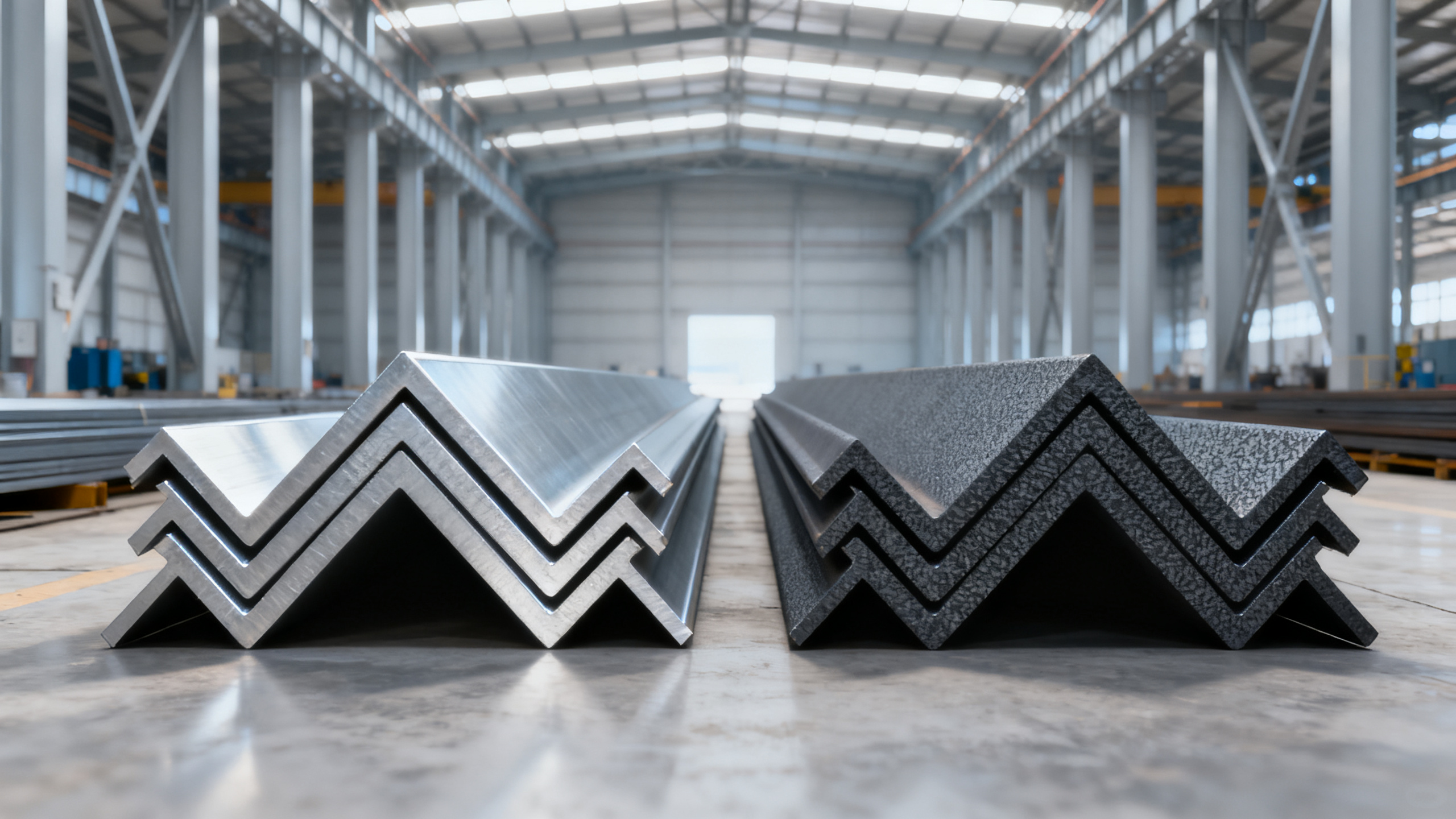
When carbon steel angle — including hot rolled angle steel, mild steel angle iron, and galvanised angle bar — develops micro-cracks after bending, it signals a critical threshold in cold working performance. This issue affects structural integrity across applications using carbon steel angle iron, C beam steel, carbon steel C channel, 1 angle iron, 4 U channel steel, and channel 150 x 75. For engineers, procurement teams, and quality controllers at firms like Shandong Huamate Steel Co., Ltd., understanding when deformation crosses the safe limit is essential — especially when sourcing reliable carbon steel angle for construction, infrastructure, or machinery projects worldwide.
What Triggers Micro-Cracking in Cold-Bent Carbon Steel Angles?
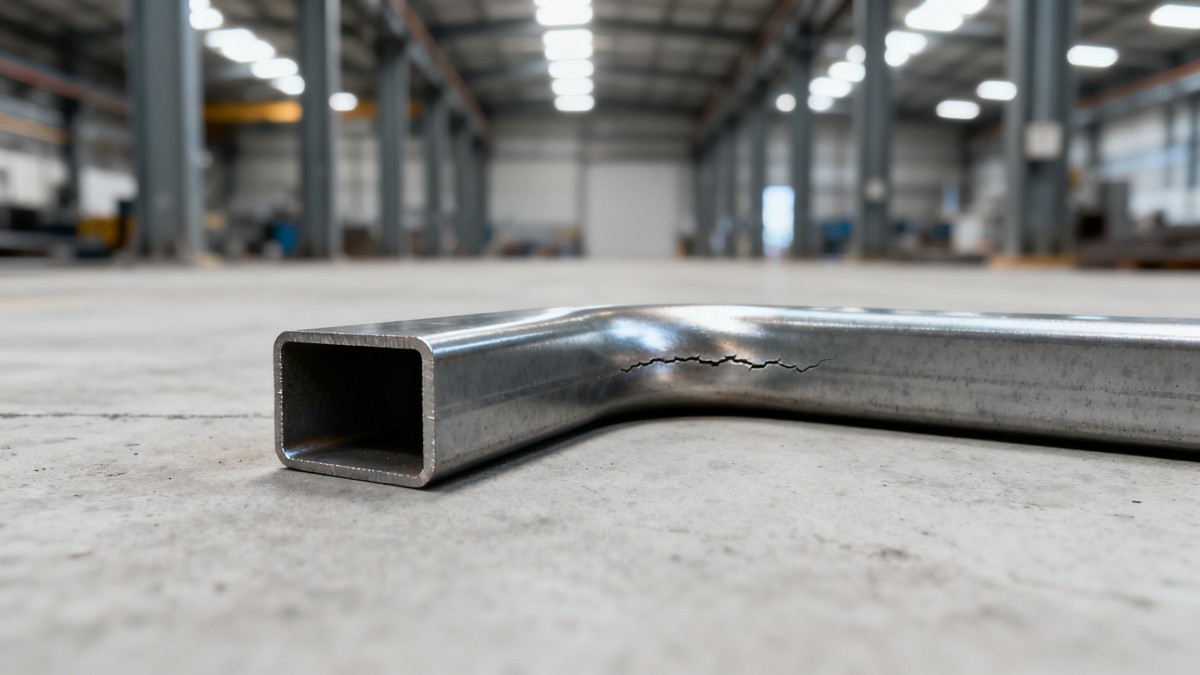
Micro-cracking in carbon steel angles post-bending arises not from material failure per se, but from localized stress exceeding the ductility limit of the steel’s microstructure. Hot-rolled carbon steel (e.g., ASTM A36, Q235B) typically exhibits good formability at room temperature — yet its behavior shifts dramatically under constrained cold forming conditions such as sharp-radius bending, asymmetric loading, or repeated strain cycling.
Critical factors include carbon content (>0.25% increases brittleness), grain orientation (especially in non-normalized sections), residual mill stresses, and surface condition (e.g., mill scale or rust acting as stress concentrators). At Shandong Huamate Steel, every batch of carbon steel angle undergoes tensile testing (per ASTM E8/E8M) and bend testing (per ASTM A370) to verify minimum elongation (≥20% for A36) and absence of cracking at specified mandrel diameters — ensuring consistency before export to Asia, Europe, and Africa.
Importantly, micro-cracks often remain invisible to the naked eye but propagate under cyclic load or environmental exposure — posing latent risks in structural frameworks, support brackets, or machinery guards. That’s why our QC team applies 10× magnification inspection on bent samples from each production lot, with full traceability to mill heat numbers and rolling dates.
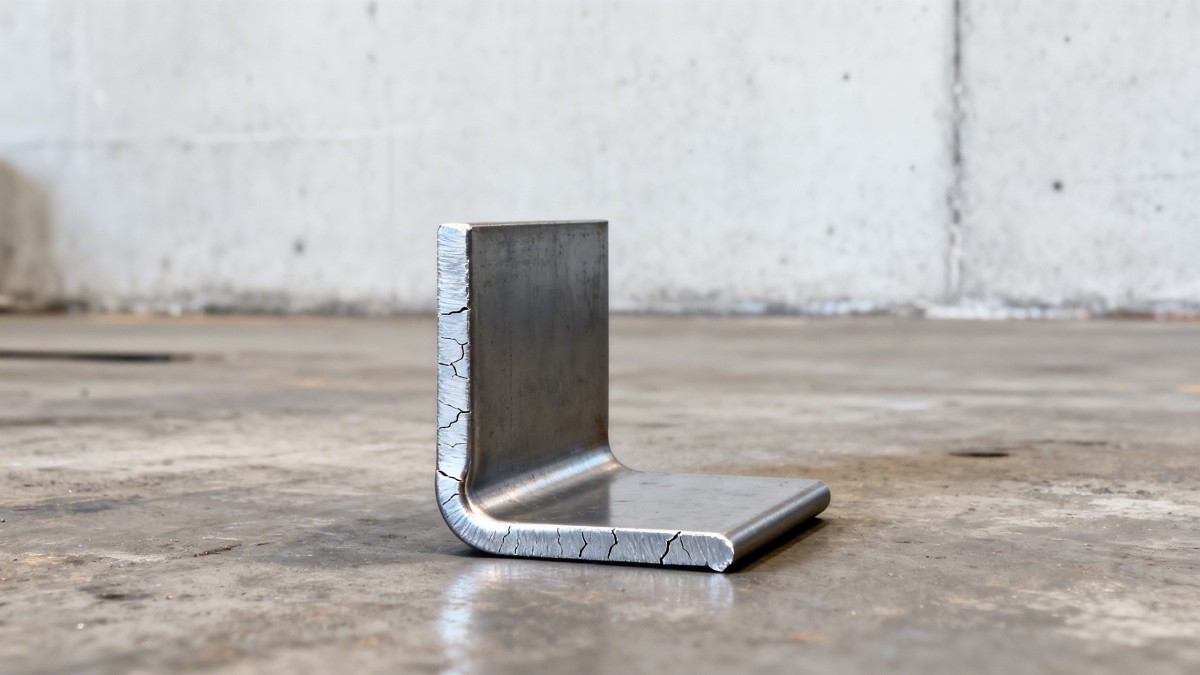
How to Determine the Safe Cold Bending Limit — Practical Guidelines
The “safe limit” isn’t fixed — it depends on section geometry, steel grade, bending method, and application severity. As a rule of thumb, cold bending radius should be ≥3× leg thickness for standard carbon steel angles (e.g., 50×50×5 mm). For tighter bends (e.g., R ≤ 2t), pre-heating to 100–150°C or post-bend stress relief (600–650°C, 1 hour/25 mm thickness) becomes mandatory to prevent intergranular cracking.
Below are industry-validated thresholds for common configurations used in infrastructure and equipment fabrication:
These values assume normalized or controlled-rolled material with uniform grain structure. Non-standard grades (e.g., high-carbon or recycled-content steels) may require up to 50% larger radii. Our technical team provides free bend feasibility assessments within 48 hours — including FEA-simulated strain distribution reports for complex geometries.
Key Checks Before Finalizing Your Order
- Confirm actual carbon content range (not just grade label) — e.g., Q235B ranges from 0.12–0.20%, while higher end reduces bend safety margin by ~30%
- Verify surface preparation: pickled & oiled surfaces reduce friction-induced cracking risk vs. mill-scale-only stock
- Specify bending direction relative to rolling axis — bending parallel to grain flow improves ductility by 15–20% over transverse bends
- Request certified bend test reports with photo documentation for critical infrastructure orders (delivered in ≤7 business days)
Procurement Strategy: When to Choose Pre-Bent vs. Field-Bent Angles
For projects with tight deadlines or strict dimensional tolerances (±0.5 mm), pre-bent carbon steel angles offer measurable advantages: reduced labor cost (up to 40% lower on-site assembly time), guaranteed repeatability across 100+ units, and elimination of field welding or clamping errors. Shandong Huamate Steel maintains CNC-controlled bending lines capable of handling angles up to 150×150×12 mm, with angular accuracy ±0.3° and length tolerance ±1.0 mm per 6 m run.
Conversely, field bending remains viable for low-volume, prototype, or repair work — provided proper tooling and operator training are in place. We supply calibrated bending jigs and recommend pairing carbon steel angles with Galvanized Sheet for hybrid assemblies where corrosion resistance meets mechanical flexibility requirements.
Our export-ready inventory includes over 80 SKUs of pre-bent angles — all inspected per ISO 9001:2015, packed in seaworthy crates, and shipped within 10–15 days of order confirmation. Lead times drop to 7 days for repeat customers with standing orders.
Why Global Buyers Trust Huamate Steel for Critical Angle Applications
Shandong Huamate Steel operates from Liaocheng — China’s largest steel pipe production base and trade hub — granting us direct access to Tier-1 mills (Baosteel, HBIS, Shougang), real-time raw material pricing, and integrated logistics via Qingdao and Tianjin ports. Unlike general commodity traders, we specialize in *application-critical* steel profiles: every carbon steel angle shipment includes full mill certificates, third-party SGS inspection reports (optional), and bilingual technical datasheets.
Our foreign trade team handles 6 key service phases: (1) technical specification alignment, (2) bend simulation & feasibility review, (3) pre-production sample approval, (4) in-process QC checkpoints, (5) packaging & customs documentation, and (6) post-delivery engineering support — all covered under one contract with no hidden fees.
Whether you’re evaluating angles for a wind turbine tower foundation (requiring EN 1090-2 EXC3 compliance), specifying supports for chemical plant piping (needing ISO 14713 corrosion testing), or sourcing for African railway infrastructure (demanding 24-month seaworthy storage stability), our engineers will co-develop the optimal solution — backed by 12+ years of cross-border project execution.
Get Your Technical Review Started Today
Send us your drawing, bending radius, quantity, and destination port — and receive within 48 hours: (1) a compliant grade recommendation, (2) bend feasibility report with crack-risk score, (3) EXW/FOB/CIF pricing, and (4) delivery timeline with documentation checklist. No registration required.
Recent Posts
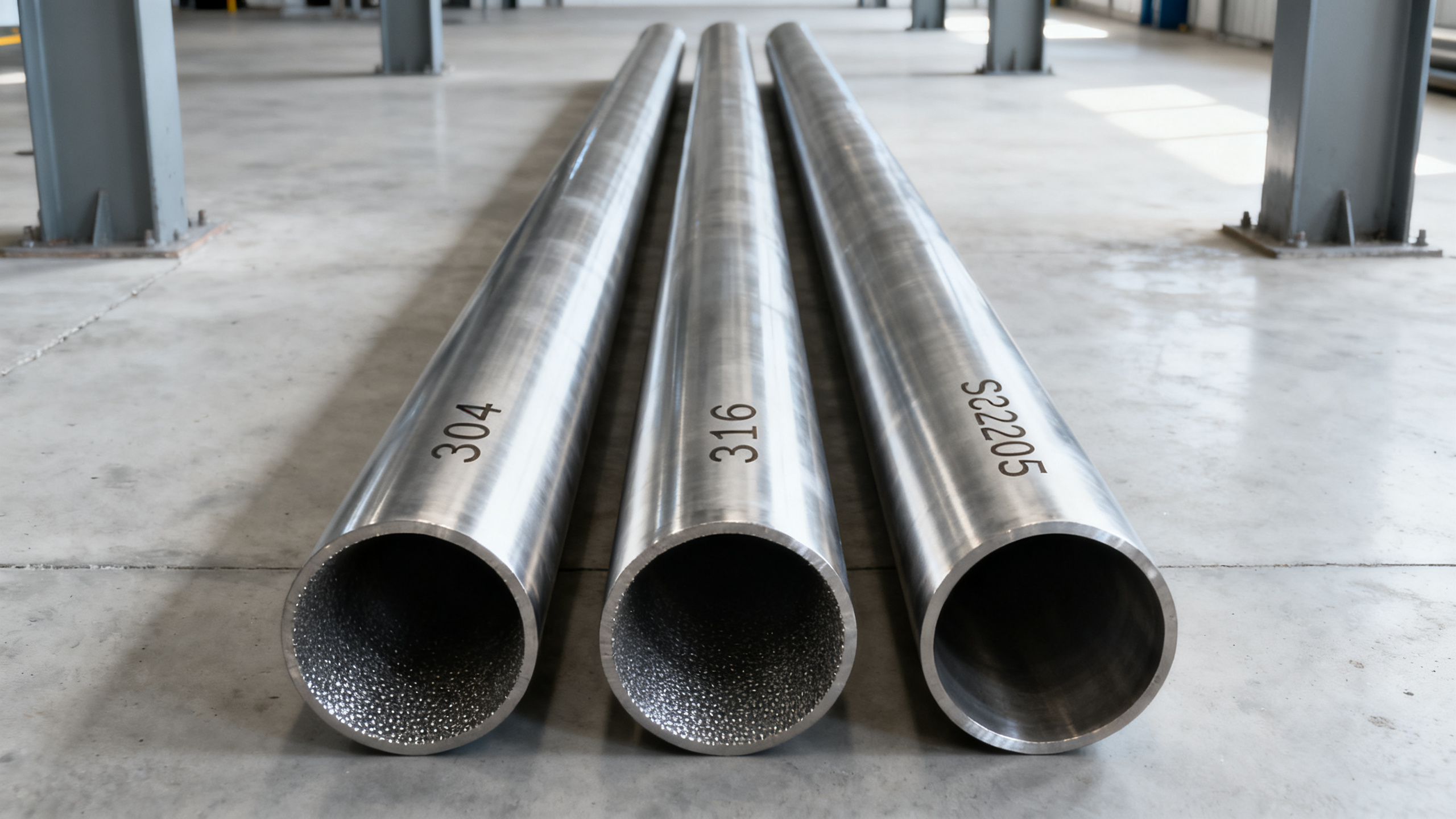
 Why stainless steel pipe corrosion resistance varies by grade in 2026Apr 14, 2026
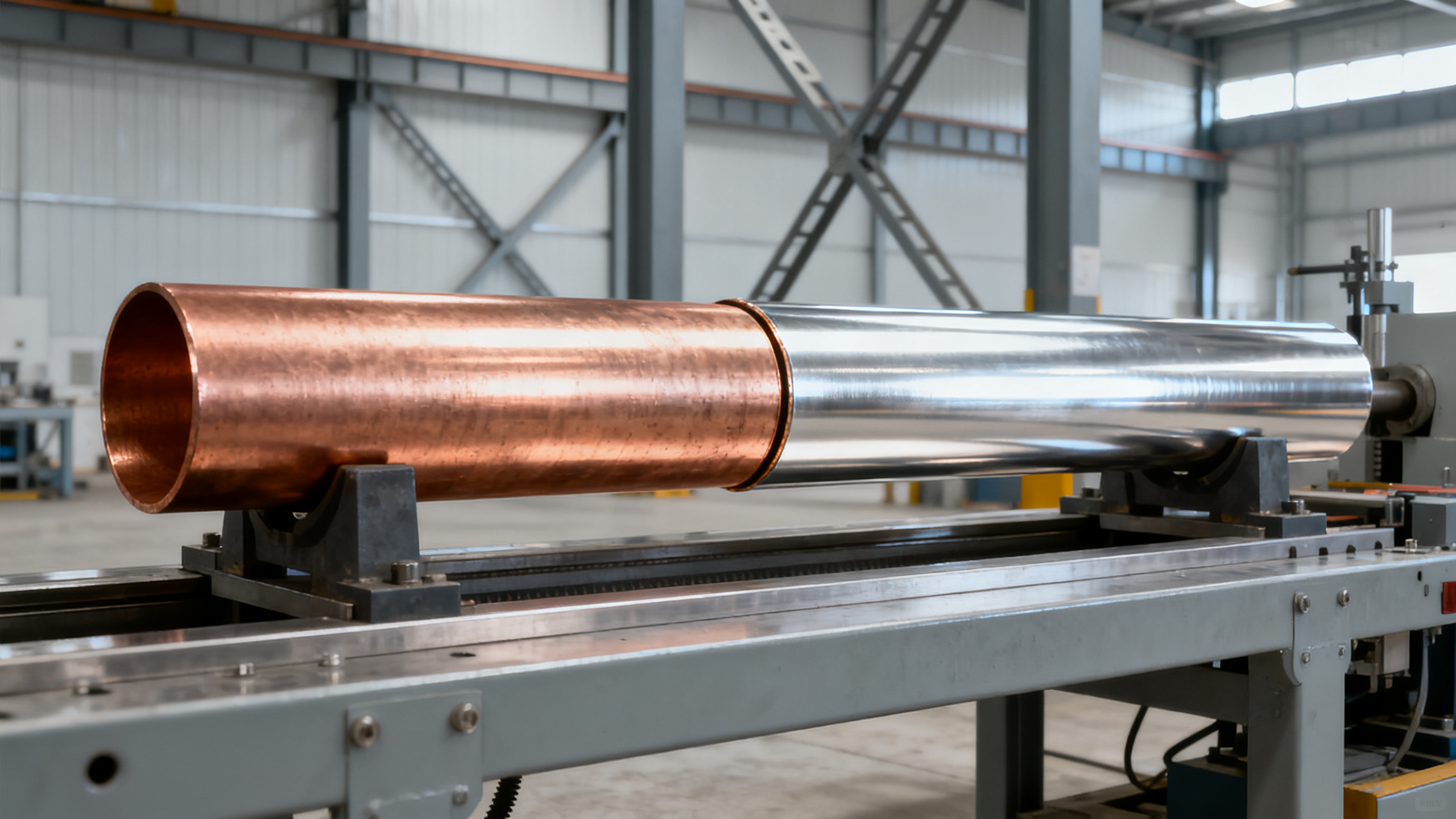
 Copper tube thermal expansion rates differ significantly between annealed and hard-drawn statesApr 14, 2026
 Steel rebar yield strength testing often misses real-world bond performanceApr 14, 2026
 Angle bar vs. mild steel angle: Which delivers better weldability for structural framing?Apr 14, 2026
 Jharkhand Steel Plant Blast: 1 Dead, 7 Injured, NHRD Probe LaunchedApr 13, 2026
Leave a Message
Thank you for your interest in our products. "*" Indicates the Fields are Mandatory