
Ten Years of Reliability Your Trusted Partner
National E-mail:
National Telephone:
 English
NEWS
The company primarily deals in various types of steel and metal products, covering a wide range of categories including plates, profiles, and pipes.
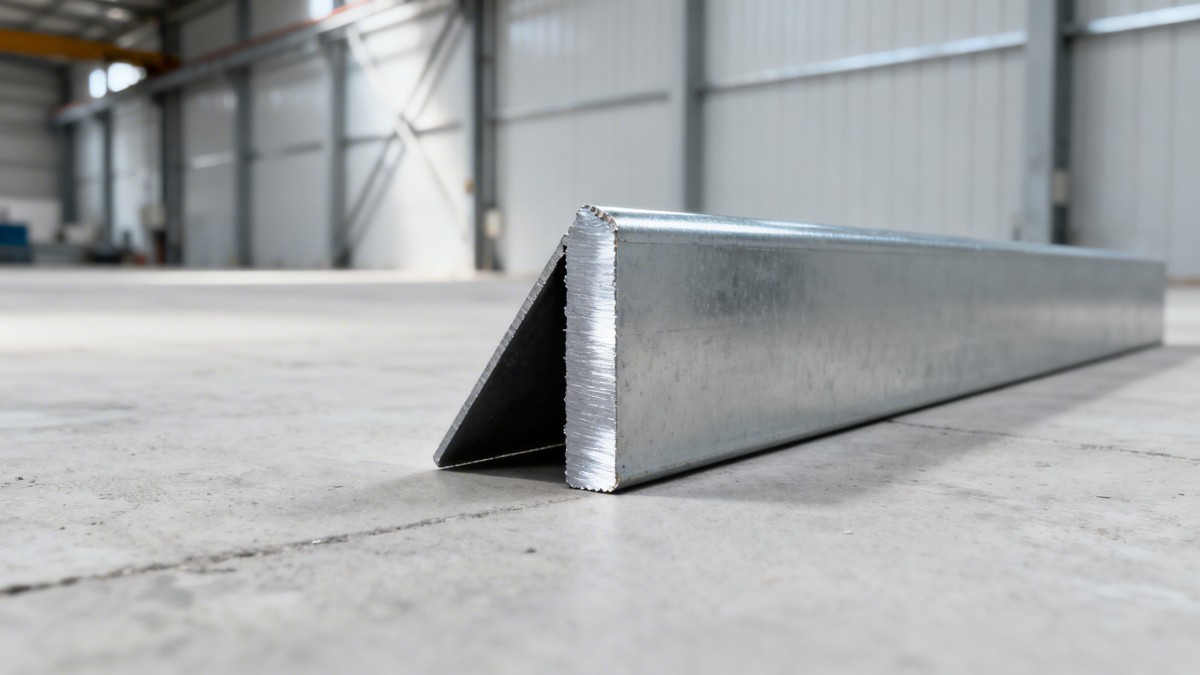
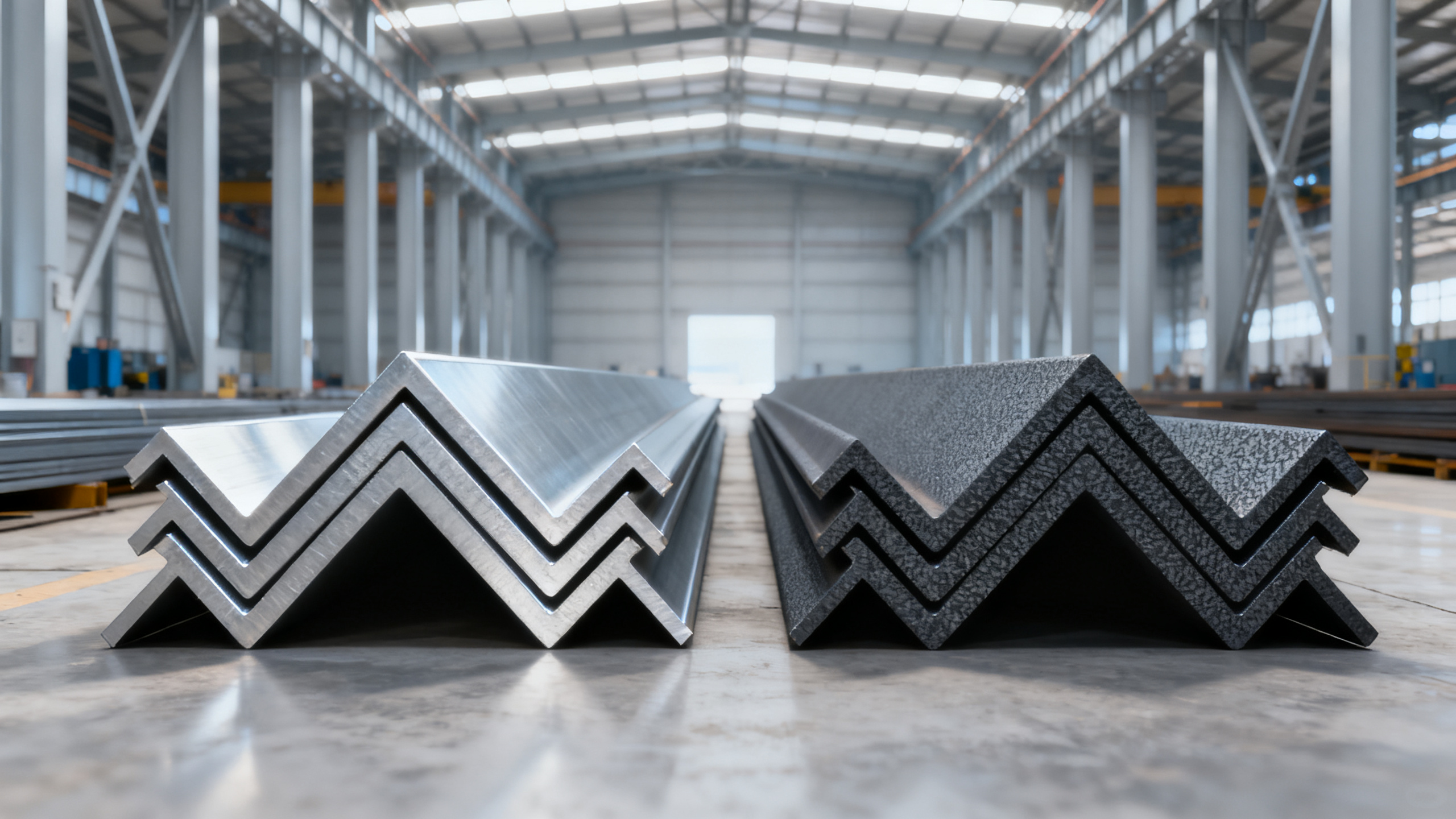
When galvanised angle bar is cut during fabrication, the protective zinc coating is inevitably compromised at the edges—raising critical questions about long-term corrosion resistance. For engineers specifying hot rolled angle steel, procurement teams sourcing mild steel angle iron or carbon steel angle iron, and project managers relying on durable c beam steel or carbon steel c channel, this exposure poses real service-life and safety risks. Whether you're evaluating 1 angle iron for structural framing, 4 u channel steel for support systems, or channel 150 x 75 in aggressive environments, understanding how much corrosion risk uncoated cut edges add is essential. At Shandong Huamate Steel Co., Ltd., we combine material expertise with rigorous quality control to help global clients make informed, corrosion-resilient decisions.
Why Cut Edges Accelerate Corrosion — A Technical Breakdown
Galvanising provides cathodic protection: zinc sacrificially corrodes before the underlying steel. But when angle bar is cut, the freshly exposed carbon steel edge lacks both the physical barrier and electrochemical continuity of the intact zinc layer. This creates a galvanic couple where the small anode (zinc) rapidly depletes to protect the large cathode (bare steel), accelerating localized attack.
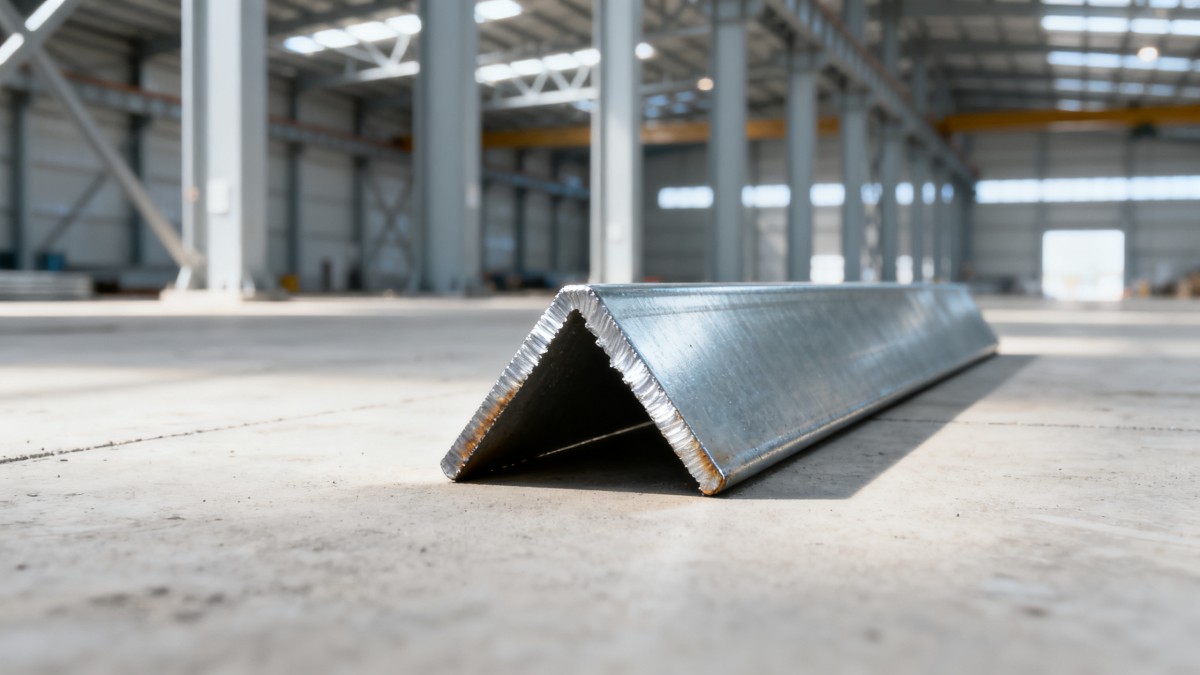
Studies show that uncoated cut edges in coastal or industrial atmospheres can initiate red rust within 3–6 months—versus 20+ years for fully coated sections. The risk escalates sharply where moisture traps occur: welded joints, bolted connections, or stacked profiles. In chloride-laden environments (e.g., marine infrastructure or de-icing salt exposure), corrosion rates at cut edges increase by 3–5× compared to intact surfaces.
Shandong Huamate Steel applies ISO 1461-compliant hot-dip galvanising across all standard angle bar grades—including ASTM A36 and Q235B—and verifies coating thickness (minimum 85 µm average) via magnetic induction testing at three points per meter. This baseline integrity ensures predictable performance—even before field cutting.
How Much Risk Does It Really Add? Quantifying Exposure Zones
Corrosion doesn’t propagate uniformly from cut edges. Its severity depends on three measurable factors: coating thickness loss, edge geometry, and environmental aggressiveness. A typical 50×50×5 mm galvanised angle bar loses ~1.2–1.8 mm of effective zinc coverage along the cut face due to thermal spalling and mechanical abrasion during sawing or plasma cutting.
The following table compares corrosion progression across common service conditions:
These figures reflect real-world data from third-party atmospheric exposure trials conducted across Asia-Pacific sites between 2019–2023. They underscore why projects in Vietnam’s Ho Chi Minh City port zone or Saudi Arabia’s Jubail Industrial City routinely specify post-cut touch-up protocols—especially for structural angle iron supporting cranes or walkways.
Three Critical Mitigation Strategies (Field-Ready)
- Zinc-rich paint touch-up (ASTM D6386 compliant): Applied within 4 hours of cutting, it restores cathodic protection. Requires surface prep (SSPC-SP2 wire brushing) and achieves >95% adhesion retention after 500-h salt spray test.
- Mechanical edge rounding: Deburring to R0.3–R0.5 mm radius reduces crevice depth, limiting moisture entrapment. Achievable with portable grinders in under 90 seconds per cut.
- Pre-cutting coordination: Ordering custom-length bars minimizes onsite cuts. Huamate Steel supports pre-fabrication planning with CAD-based nesting services—reducing field cuts by up to 70% on mid-size infrastructure contracts.
Procurement Checklist: What to Verify Before Order Placement
For procurement teams and project managers, corrosion resilience starts before delivery. Use this 5-point verification checklist when sourcing galvanised angle bar:
- Confirm galvanising specification: ISO 1461 (not ASTM A123 alone) — mandates minimum 610 g/m² coating mass for 5–6 mm steel sections.
- Require batch-specific coating thickness reports — measured per EN ISO 2178 at ≥3 locations per 1 m length.
- Specify tolerance for cut-edge exposure: ≤1.5 mm maximum uncoated zone width for plasma-cut orders.
- Verify mill test certificates include tensile strength (≥360 MPa for Q235B), elongation (≥23%), and bend test compliance (180° around 2× diameter mandrel).
- Request traceability documentation: heat number, galvanising bath temperature logs, and cooling rate records for high-risk applications.
At Shandong Huamate Steel, every export shipment includes digital QC dossiers accessible via secure client portal — covering coating thickness maps, dimensional inspection reports, and metallurgical test summaries. This transparency enables faster approvals from engineering reviewers and safety auditors alike.
Why Choose Huamate Steel for Corrosion-Critical Projects?
Based in Liaocheng — China’s largest steel pipe production base — we leverage full vertical integration: direct partnerships with Baosteel, HBIS, and Shougang mills ensure consistent raw material chemistry and rolling precision. Our dedicated galvanising line maintains bath temperatures within ±2°C of 450°C, minimizing zinc spalling during immersion.
We also offer integrated solutions beyond standard products — including 5083H116 Aluminum Plate for highly corrosive chemical tank linings, and custom-cut, touch-up-coated angle bar ready for immediate installation. With 97% on-time delivery across 42 countries and logistics hubs in Rotterdam, Dubai, and Singapore, we reduce your project’s total cost of ownership—not just unit price.
Contact our technical sales team for: (1) free corrosion risk assessment of your specific site environment, (2) sample kits with certified coating thickness verification, (3) lead time confirmation for pre-cut, touch-up-ready orders (standard turnaround: 7–12 working days), and (4) compliance documentation packages for AS/NZS 4680, BS EN ISO 1461, or GCC Standardization Organization (GSO) requirements.
Recent Posts
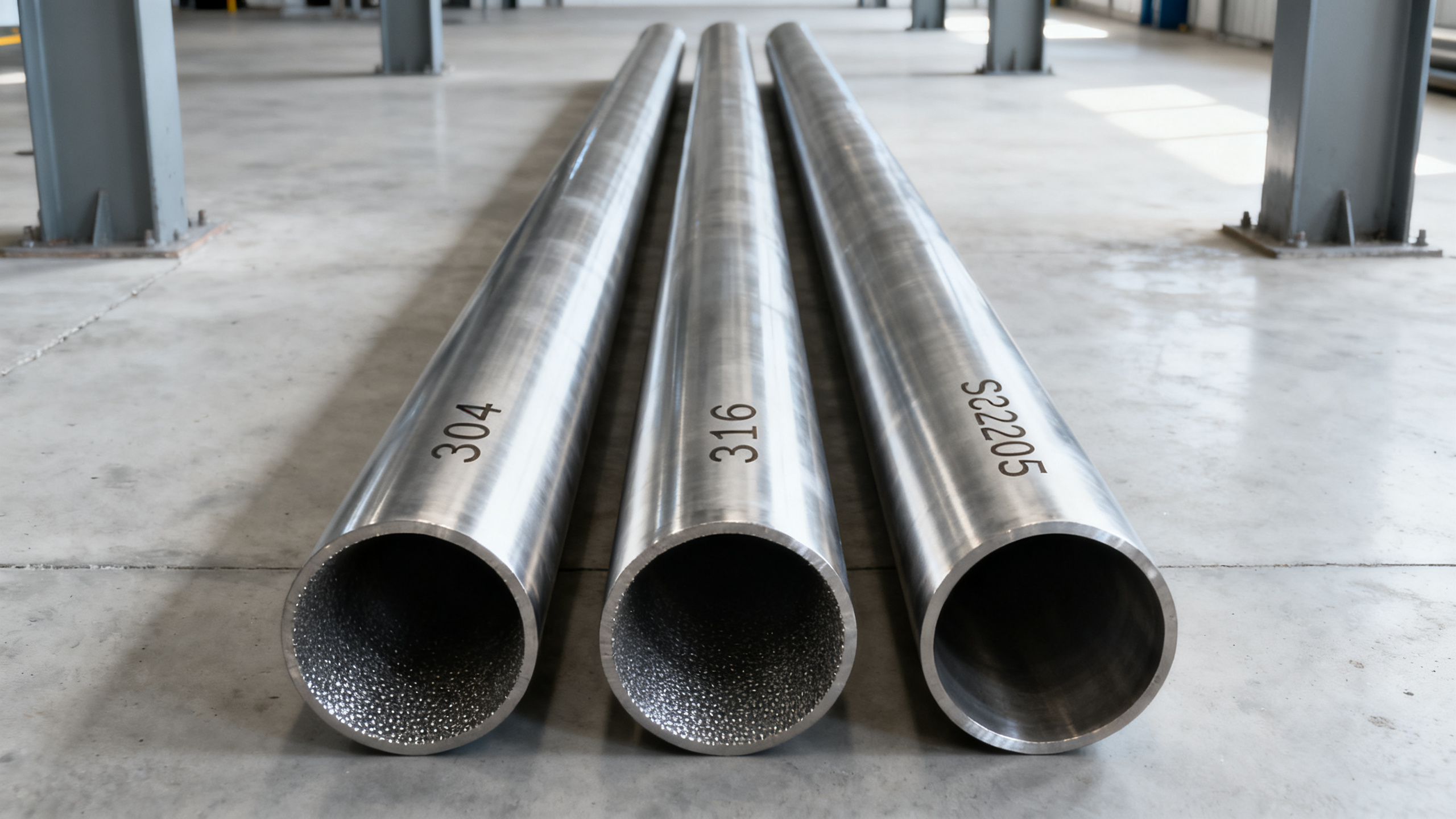
 Why stainless steel pipe corrosion resistance varies by grade in 2026Apr 14, 2026
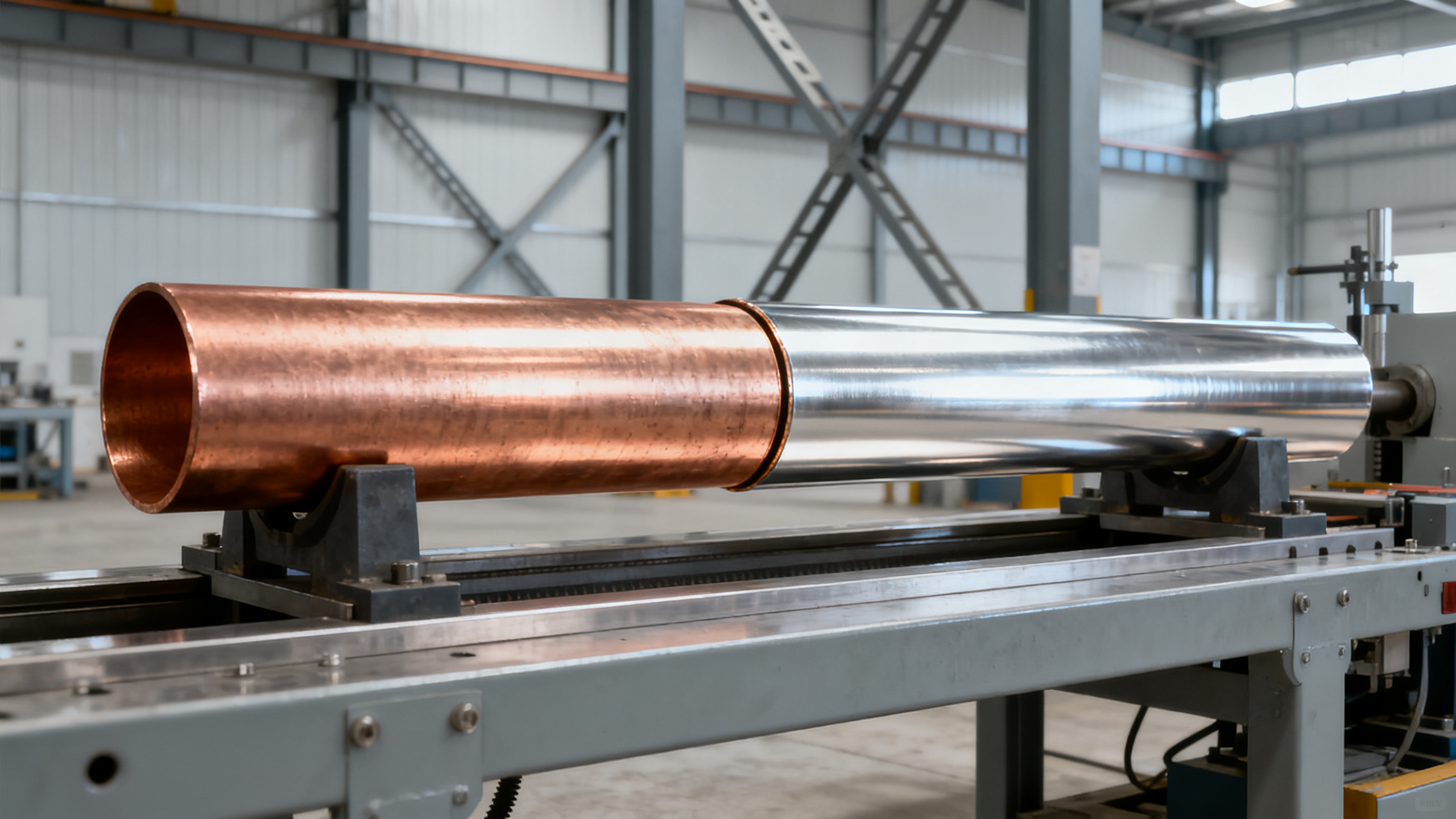
 Copper tube thermal expansion rates differ significantly between annealed and hard-drawn statesApr 14, 2026
 Steel rebar yield strength testing often misses real-world bond performanceApr 14, 2026
 Angle bar vs. mild steel angle: Which delivers better weldability for structural framing?Apr 14, 2026
 Jharkhand Steel Plant Blast: 1 Dead, 7 Injured, NHRD Probe LaunchedApr 13, 2026
Leave a Message
Thank you for your interest in our products. "*" Indicates the Fields are Mandatory