
Ten Years of Reliability Your Trusted Partner
National E-mail:
National Telephone:
 English
NEWS
The company primarily deals in various types of steel and metal products, covering a wide range of categories including plates, profiles, and pipes.
In coastal construction, material durability against salt corrosion and structural integrity under dynamic loads are non-negotiable. When comparing hot rolled angle steel vs. cold formed alternatives, factors like tensile strength, weldability, and long-term performance of mild steel angle iron, carbon steel angle iron, and galvanised angle bar become critical. Whether specifying 1 angle iron for bracing, carbon steel c channel or 4 u channel steel for framing, or selecting channel 150 x 75 for load-bearing applications, Shandong Huamate Steel’s certified hot rolled and cold formed C beam steel solutions meet ISO and ASTM standards — backed by rigorous quality control and global project experience.
Why Coastal Environments Demand Rigorous Material Selection
Coastal zones expose structural steel to chloride-laden air, salt spray, high humidity, and temperature fluctuations — accelerating electrochemical corrosion by up to 5–10× compared to inland sites. ASTM G101 estimates that corrosion rates for uncoated carbon steel in marine atmospheres often exceed 0.05 mm/year, compromising section thickness and load capacity within 5–8 years without mitigation.
Structural redundancy is equally vital: wind-driven waves, storm surges, and seismic activity impose cyclic lateral loads on frames, bracings, and connections. Hot rolled angle steel and cold formed sections respond differently to these combined stressors — not just in initial yield but in fatigue resistance, ductility retention, and post-corrosion residual strength.
Shandong Huamate Steel supplies both product types with traceable mill test reports (MTRs), full EN 10204 3.1 certification, and optional third-party inspection (SGS/BV). All Angle Steel shipments undergo salt-spray testing per ISO 9227 (NSS, 96–144 hrs) and dimensional verification per ASTM A6/A6M.
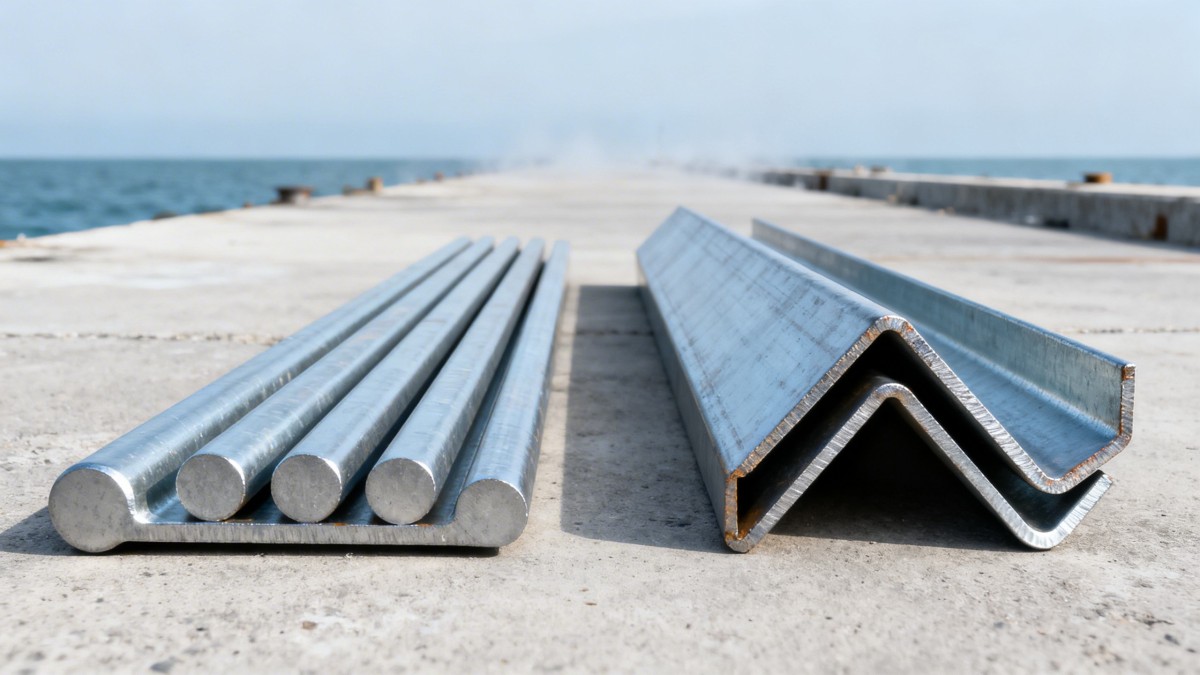
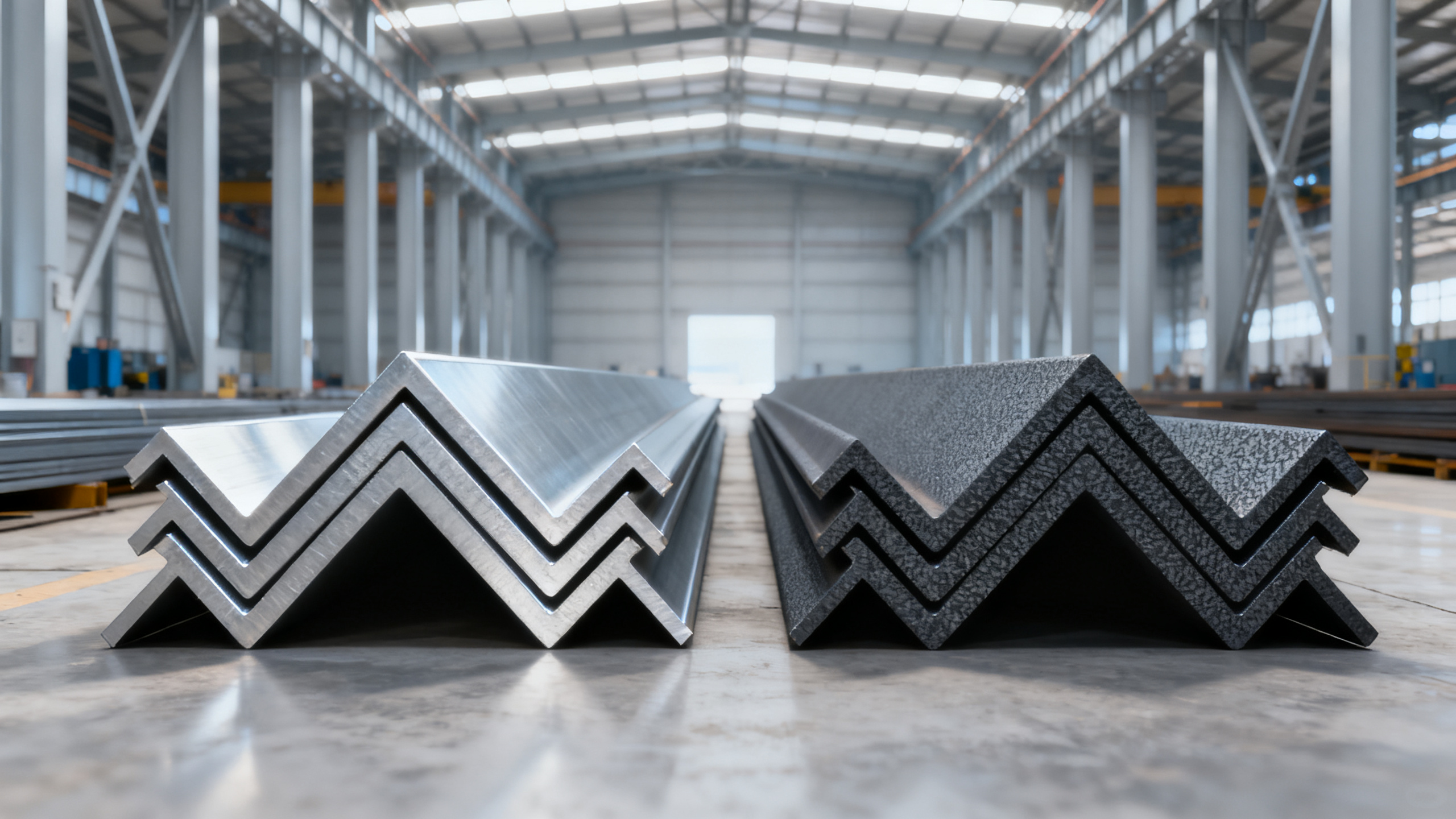
Hot Rolled vs. Cold Formed Angle Steel: Performance Comparison Under Marine Stress
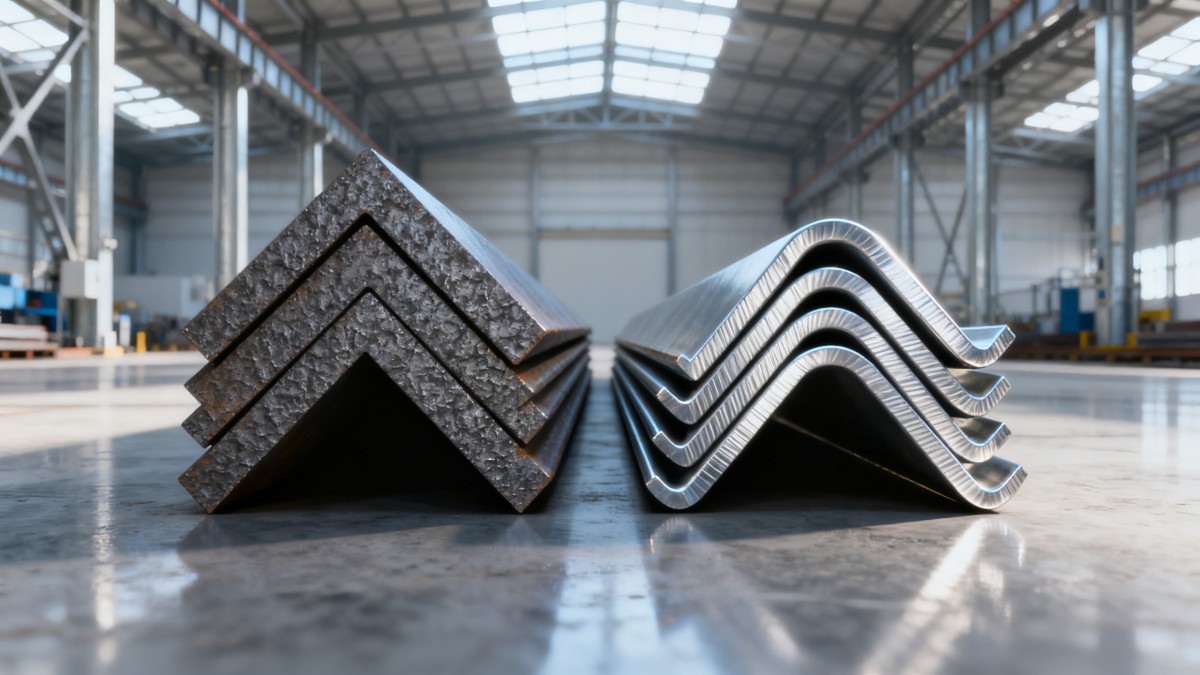
The fundamental distinction lies in manufacturing thermodynamics and resulting microstructure. Hot rolling occurs above the recrystallization temperature (~1,200°C), producing uniform grain flow, isotropic mechanical properties, and inherent toughness — essential for impact resistance during typhoon-season installation or retrofitting.
Cold forming deforms ambient-temperature steel through bending or roll-forming, inducing work hardening at bend radii and localized stress concentrations. While efficient for mass production, it reduces ductility by 15–25% at corners and increases susceptibility to stress-corrosion cracking (SCC) in chloride environments — a documented risk per NACE MR0175/ISO 15156.
This table confirms that while cold formed sections offer higher nominal yield strength, their reduced elongation and galvanizing vulnerability undermine long-term reliability in aggressive marine settings. For critical load paths — such as tower bracing, pier supports, or desalination plant frames — hot rolled profiles remain the industry-recommended baseline per ISO 14713-2 and ASCE 24-14.
Key Corrosion Mitigation Factors
- Galvanized coating thickness: ≥85 µm (ASTM A123) for coastal exposure — achievable consistently only with hot rolled base material
- Weld joint integrity: Hot rolled angles allow full-penetration welding without preheat for sections ≤25 mm; cold formed edges require strict preheat control (≥100°C) to avoid HAZ cracking
- Maintenance interval: Hot rolled + hot-dip galvanized systems extend inspection cycles from 18 months to 36–48 months in Zone C5-M (ISO 12944)
Procurement Decision Framework: 5 Critical Evaluation Dimensions
Selecting between hot rolled angle steel vs. cold formed isn’t binary — it’s contextual. Procurement teams must weigh five interdependent criteria:
- Design Life Requirement: Projects targeting ≥50-year service (e.g., port terminals, offshore substations) mandate hot rolled + duplex coating (Zn + epoxy) per ISO 14713-3
- Connection Complexity: Bolted moment connections with multiple shear planes perform more predictably with hot rolled sections due to consistent hole alignment and bearing capacity
- Logistics Constraints: Cold formed sections offer 20–30% lighter unit weight — advantageous for remote island deliveries where crane capacity or road axle limits apply
- Customization Needs: Shandong Huamate Steel supports custom cut-to-length (±1 mm tolerance), pre-drilled patterns (ISO 2768-mK), and dual-certification (ASTM A6/A6M + GB/T 706)
- Compliance Traceability: Every hot rolled batch includes MTRs with chemical composition (C ≤0.22%, S ≤0.045%), tensile test results, and heat number linkage — required for FIDIC-based infrastructure tenders
Why Global Coastal Projects Choose Huamate Steel
Shandong Huamate Steel Co., Ltd. operates from Liaocheng — China’s largest steel pipe production base — leveraging integrated billet rolling, precision finishing, and bonded logistics hubs. This enables 7–15 day lead times for standard hot rolled Angle Steel (sizes 25×25×3 mm to 200×200×20 mm), with 4-week turnaround for galvanized or laser-cut variants.
Our one-stop export solution covers: (1) technical consultation aligned with EN 1993-1-1 and AISC 360; (2) sample dispatch within 3 working days; (3) CIF/CNF documentation support; (4) real-time shipment tracking via ERP-integrated platform; and (5) post-delivery engineering review for field-fit validation.
For your next coastal infrastructure tender, port expansion, or marine renewable energy structure — request our free Material Specification Checklist, including corrosion allowance tables, galvanizing thickness calculators, and ASTM/EN cross-reference guides. Contact our international trade team today for a tailored quote, MTR preview, or third-party inspection coordination.
Recent Posts
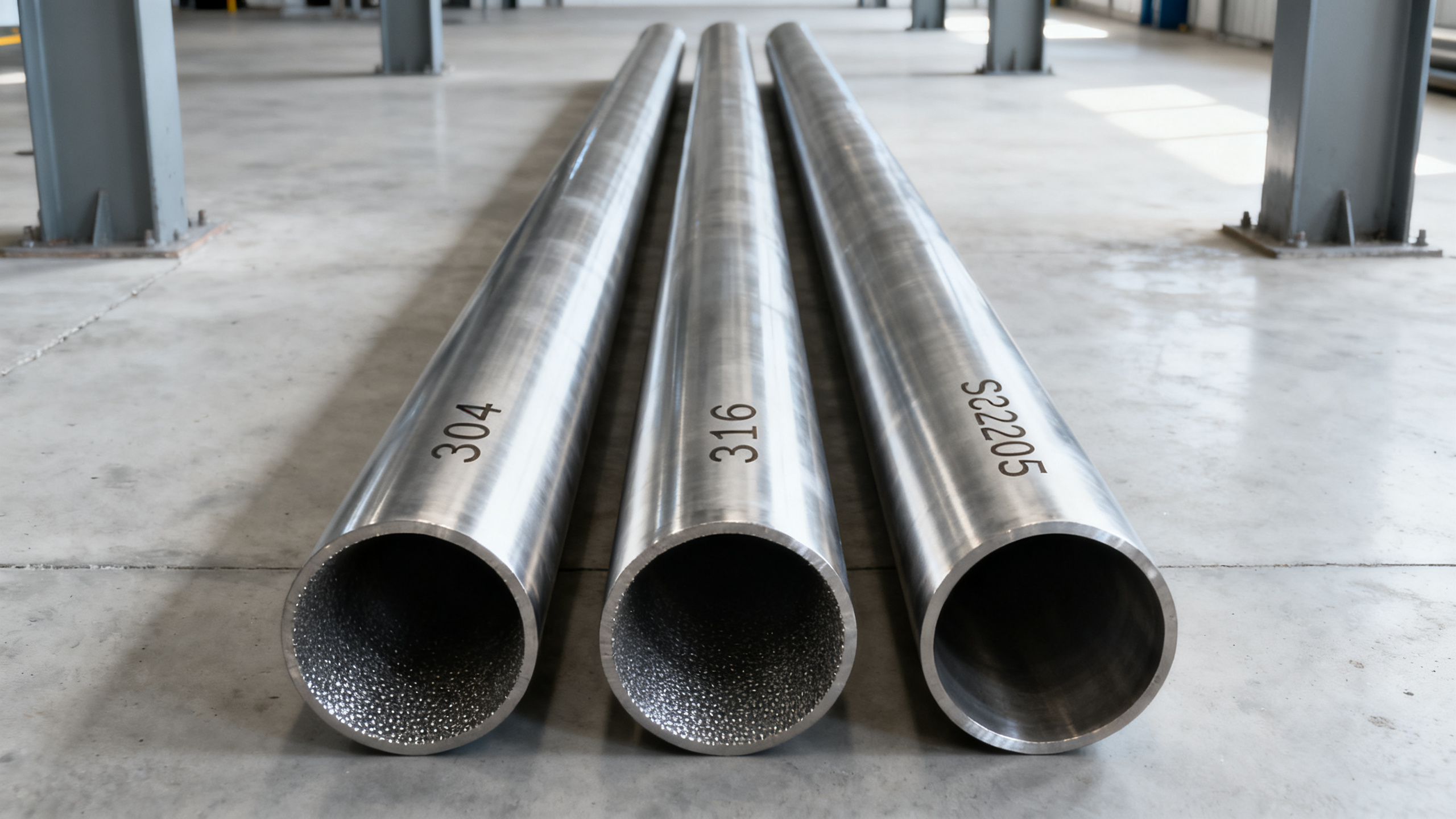
 Why stainless steel pipe corrosion resistance varies by grade in 2026Apr 14, 2026
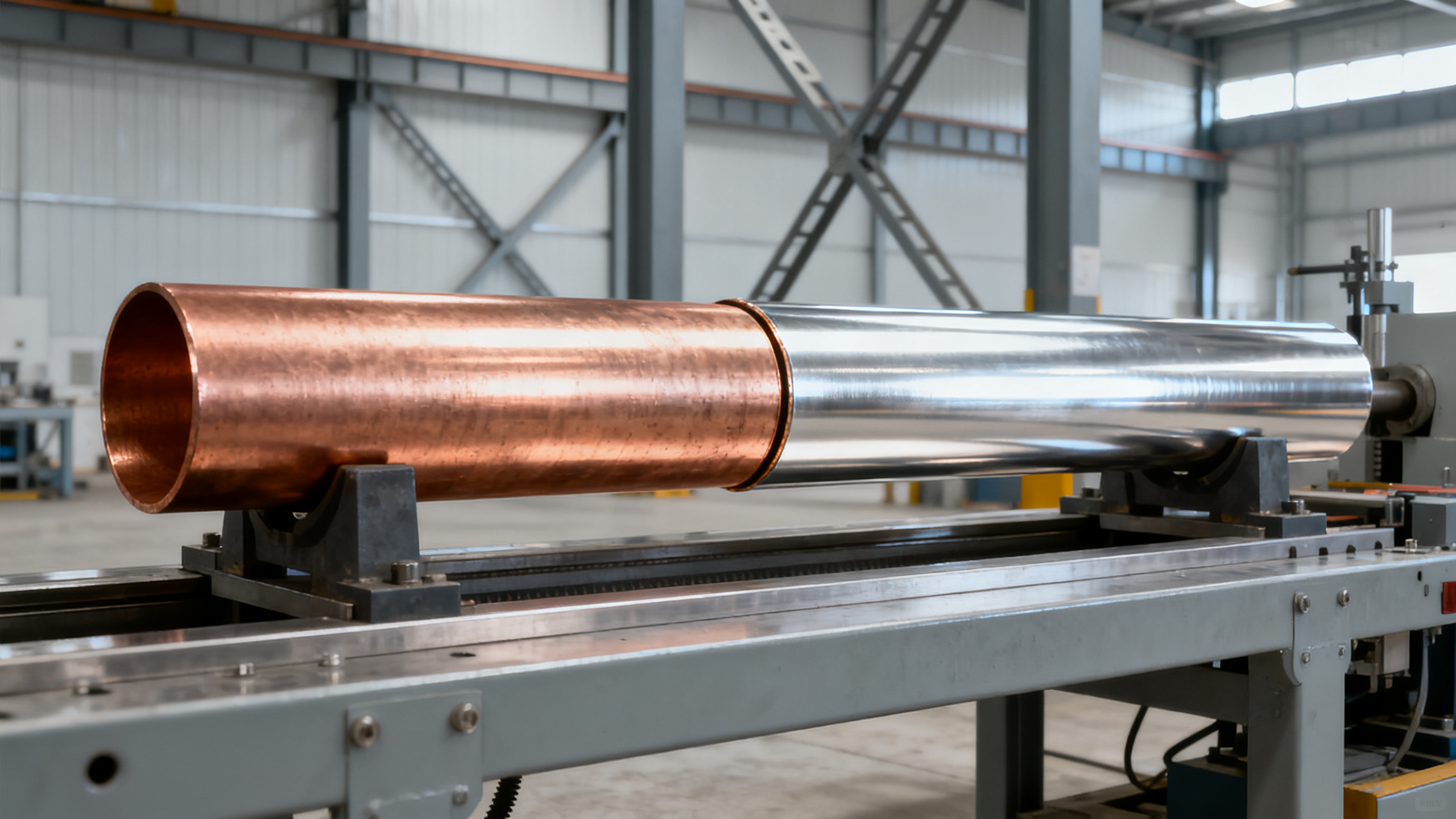
 Copper tube thermal expansion rates differ significantly between annealed and hard-drawn statesApr 14, 2026
 Steel rebar yield strength testing often misses real-world bond performanceApr 14, 2026
 Angle bar vs. mild steel angle: Which delivers better weldability for structural framing?Apr 14, 2026
 Jharkhand Steel Plant Blast: 1 Dead, 7 Injured, NHRD Probe LaunchedApr 13, 2026
Leave a Message
Thank you for your interest in our products. "*" Indicates the Fields are Mandatory