
Ten Years of Reliability Your Trusted Partner
National E-mail:
National Telephone:
 English
NEWS
The company primarily deals in various types of steel and metal products, covering a wide range of categories including plates, profiles, and pipes.
Why does mild steel angle iron bend instead of snapping under stress? Its exceptional ductility—rooted in the balanced carbon content of carbon steel angle iron—enables structural redundancy, a critical safety margin in construction and infrastructure. Whether you're specifying hot rolled angle steel for load-bearing frames, galvanised angle bar for corrosion resistance, or channel 150 x 75 and 4 u channel steel for modular systems, understanding ductility informs smarter choices across C beam steel, carbon steel C channel, and 1 angle iron applications. At Shandong Huamate Steel, we supply certified, traceable mild steel angle iron and carbon steel angle products—engineered for performance, tested for reliability, and trusted by project managers, procurement teams, and safety-critical end users worldwide.
What Makes Mild Steel Angle Iron Ductile — And Why It Matters for Structural Safety
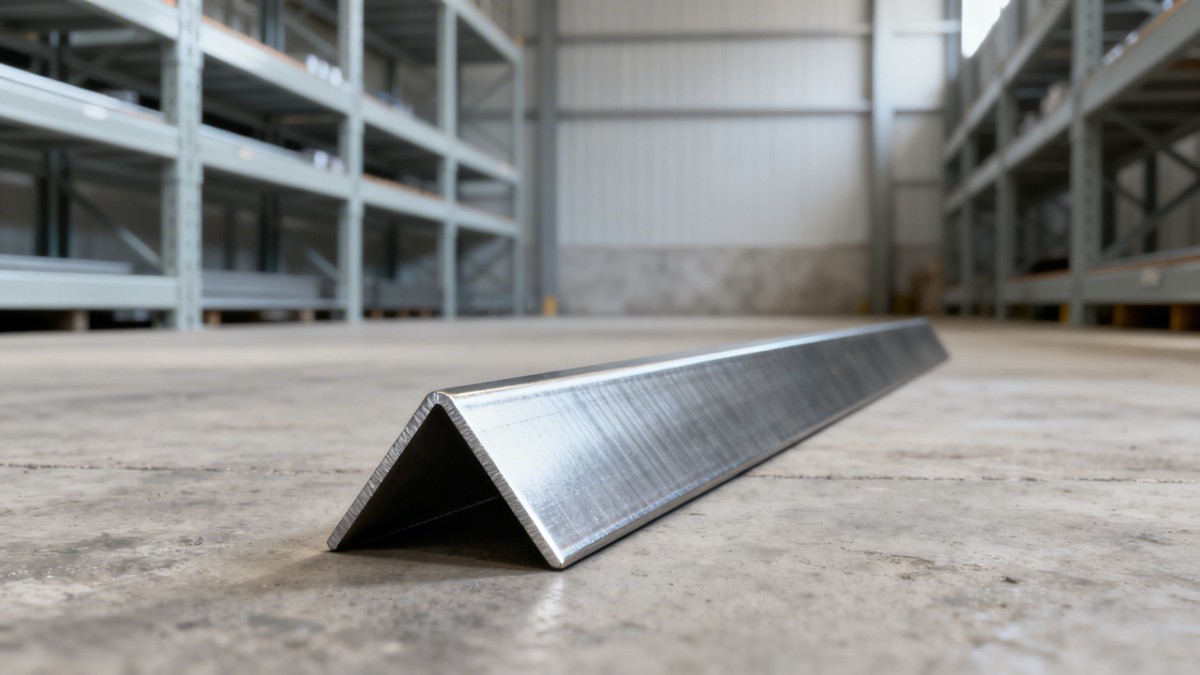
Ductility is not just a material property—it’s a built-in safety mechanism. Mild steel angle iron typically contains 0.05–0.25% carbon, striking an optimal balance between strength and plastic deformation capacity. When overloaded, it yields gradually rather than fracturing catastrophically—a behavior quantified by elongation at break (typically 20–30% in ASTM A36) and reduction in area (≈50%). This predictable yielding allows engineers to design with redundancy: secondary load paths activate before failure, buying time for inspection, repair, or controlled shutdown.
In real-world applications—such as scaffolding bracing, transmission tower legs, or seismic retrofitting frames—this ductile response directly correlates with life-cycle safety. Unlike brittle materials (e.g., high-carbon steels or cast iron), mild steel angle iron absorbs energy through plastic hinge formation, reducing peak stress concentrations and delaying collapse initiation. That’s why international standards like EN 10025-2 and ASTM A6/A6M mandate minimum elongation values—not just tensile strength—for structural angle sections.
At Shandong Huamate Steel, every batch of hot rolled mild steel angle iron undergoes third-party tensile testing per ISO 6892-1. We verify yield strength (≥235 MPa), ultimate tensile strength (400–550 MPa), and elongation (≥22%)—ensuring compliance across export markets including EU (CE-marked), GCC (G-Mark), and ASEAN (PSB-certified). Traceability includes mill test reports (MTRs) with heat number, chemical composition, and mechanical results.
Key Ductility Metrics vs. Common Structural Steels
This table highlights a crucial trade-off: higher strength often reduces elongation. While A572 Gr.50 offers greater load capacity, its lower ductility requires stricter detailing for cyclic loading (e.g., earthquake zones). Mild steel angle iron remains preferred where redundancy, weldability, and cost-efficiency are priorities—especially in mid-rise commercial buildings and infrastructure projects across Africa and Southeast Asia.
How Ductility Impacts Procurement Decisions Across Roles
For procurement teams, ductility isn’t abstract—it translates into verifiable risk mitigation. A supplier unable to provide MTRs showing ≥22% elongation may compromise structural certification. For financial approvers, ductile materials reduce long-term liability costs: studies show ductile-framed structures incur 30–40% lower post-disaster repair expenses versus brittle alternatives. Project managers rely on consistent yield behavior to avoid rework—especially when integrating angle iron with 310S Stainless Steel Pipe in high-temperature process lines, where thermal expansion mismatch must be absorbed without cracking.
Technical evaluators assess ductility through three checkpoints: (1) chemical composition verification (C ≤ 0.25%, Mn 0.6–1.6%), (2) Charpy V-notch impact testing at –20°C (≥27 J), and (3) bend test per ASTM A370 (no cracks after 180° wrap around 2× thickness mandrel). At Huamate Steel, all exports meet these benchmarks—and include optional non-destructive testing (UT/RT) upon request.
- Procurement checklist: Confirm MTR availability, heat traceability, and compliance with destination-country standards (e.g., BS EN 10025 for UK, AS/NZS 3678 for Australia).
- Safety managers: Verify ductile bending capacity exceeds design service loads by ≥1.5× (per ISO 2394 partial safety factors).
- Logistics planners: Note that hot rolled angle iron shipments from Liaocheng benefit from 7–12 day port-to-port lead times to major Asian and Middle Eastern hubs.
When to Choose Mild Steel Angle Iron Over Alternatives
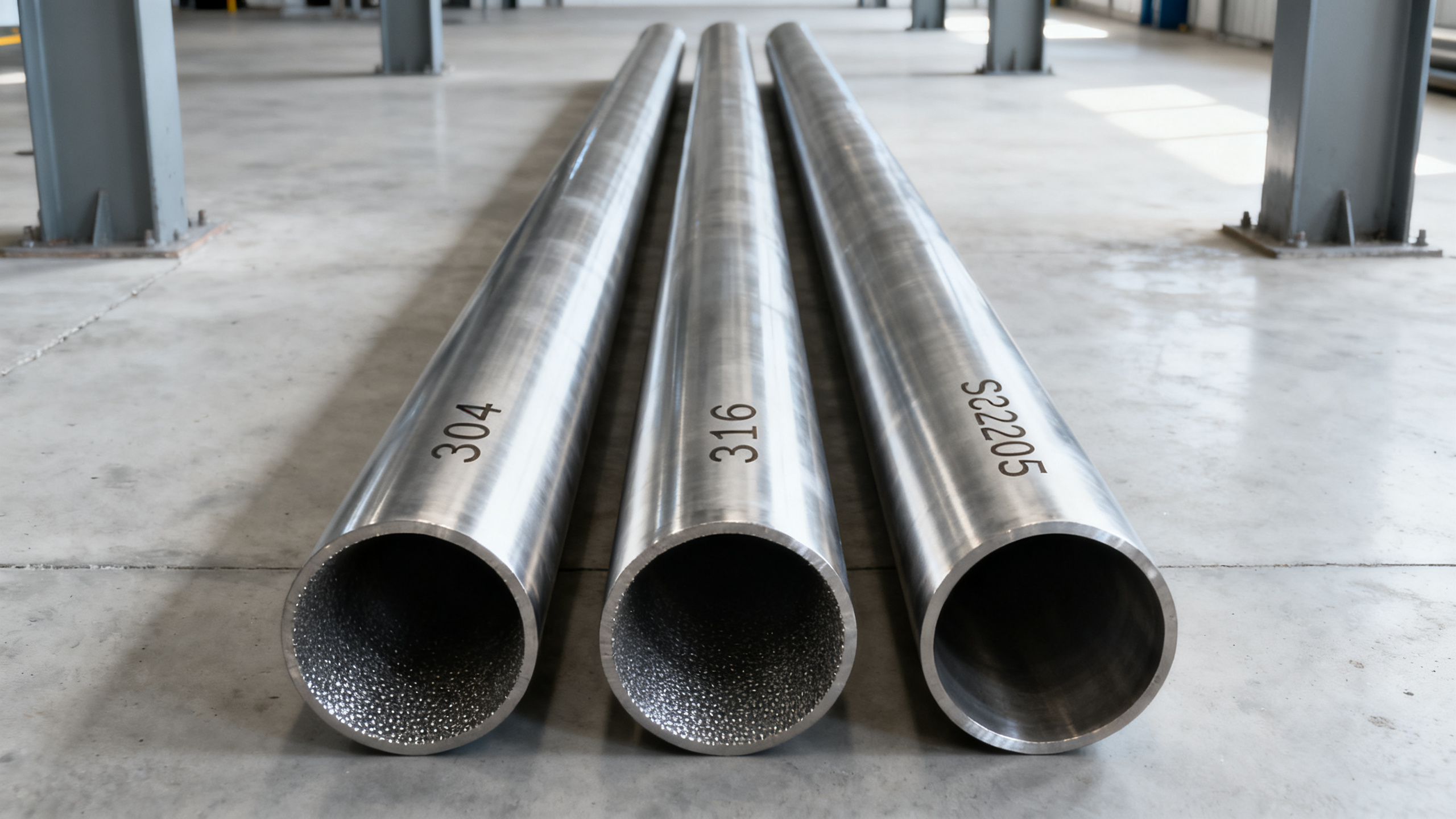
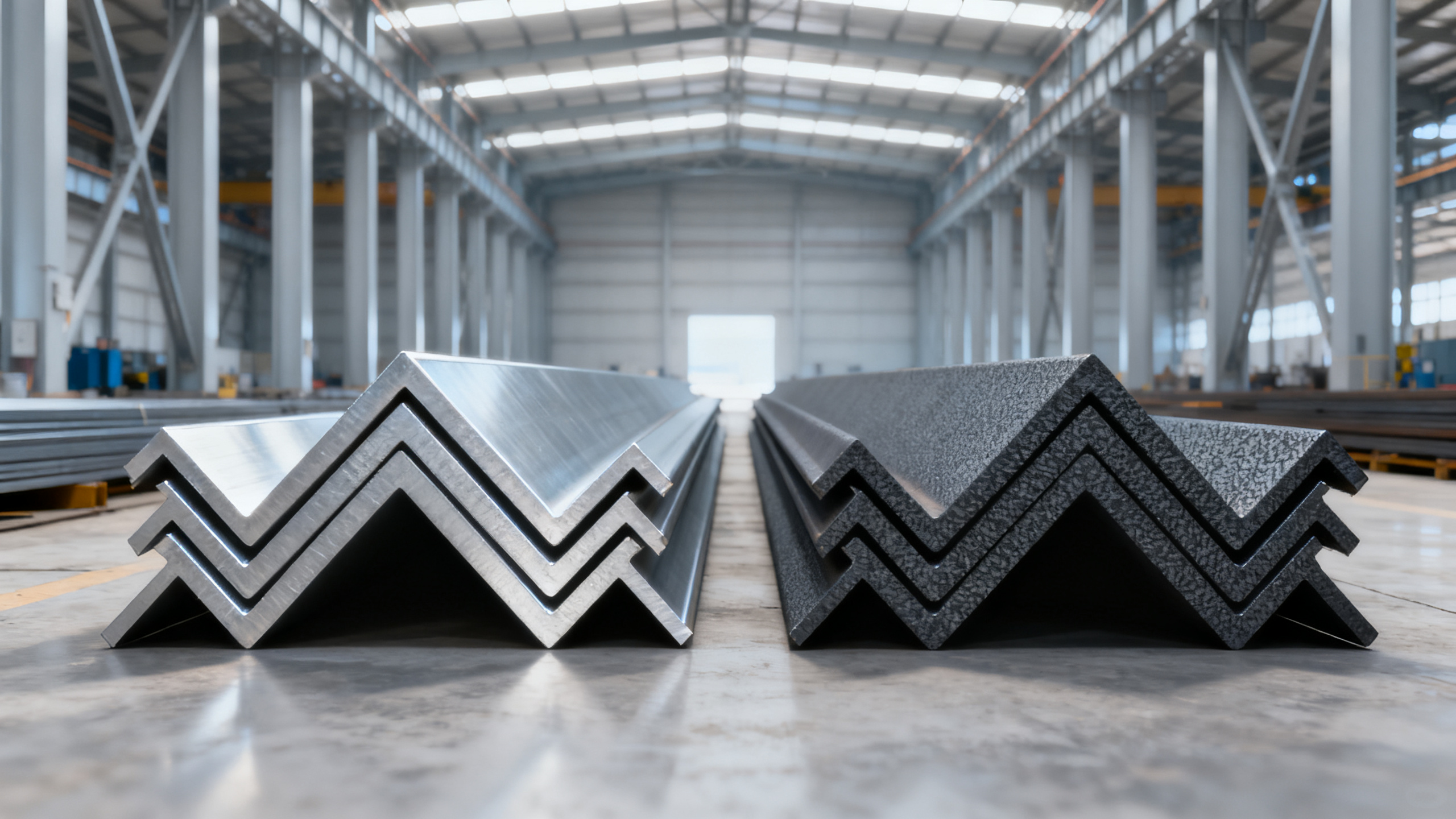
Not all angle profiles serve the same purpose. Galvanised angle bar adds corrosion resistance but may reduce ductility slightly due to zinc-iron alloy layer brittleness—making it ideal for outdoor signage (low cyclic load) but less suited for dynamic wind-loaded towers. Stainless steel angles (e.g., 304 or 316) offer superior corrosion resistance but cost 3–5× more and exhibit lower yield-to-tensile ratios (≈0.5 vs. 0.65 for mild steel), limiting plastic reserve.
Carbon steel C channel and 4 u channel steel provide higher moment resistance but require precise alignment during installation—whereas mild steel angle iron tolerates minor misalignment thanks to its ductile “give.” For modular systems requiring rapid field assembly (e.g., solar mounting racks or temporary warehouses), this forgiving behavior cuts labor time by up to 22% compared to rigid alternatives.
Application Fit Guide
This comparative approach ensures your specification aligns with both technical requirements and operational realities—from fabrication tolerance to customs clearance timelines.
Why Partner With Shandong Huamate Steel for Ductile Structural Solutions
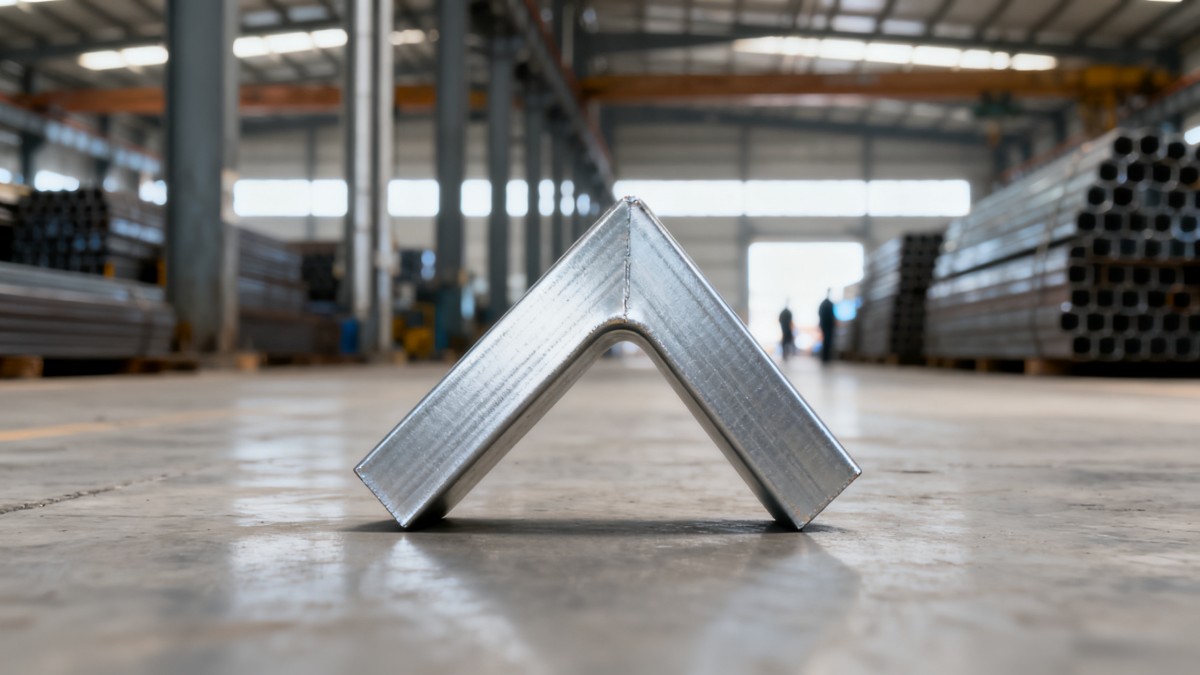
Shandong Huamate Steel operates at the heart of China’s largest steel pipe production base—Liaocheng, Shandong—leveraging direct access to mills like Shandong Lihuai and Hebei Iron & Steel Group. This vertical integration guarantees consistent chemistry control (±0.02% C tolerance), certified mechanical properties, and full lot traceability from bloom to bundle.
Our one-stop export service covers: (1) free engineering consultation for section selection and connection detailing, (2) pre-shipment dimensional and metallurgical inspection (with SGS/BV options), (3) flexible Incoterms (FOB, CFR, CIF, DAP), and (4) documentation support for import licenses, CE marking, and GCC conformity. For urgent projects, we maintain 3,200+ tons of ASTM A36 and EN 10025-2 angle iron in ready stock—enabling 5–7 day dispatch to Qingdao or Tianjin ports.
Whether you need standard hot rolled angle steel, custom-cut galvanised angle bar, or hybrid solutions integrating mild steel angle iron with specialty tubing like 310S Stainless Steel Pipe, our team delivers precision, transparency, and global compliance. Contact us today to request: (a) mill test report samples, (b) dimensional tolerance charts, (c) port-specific delivery estimates, or (d) corrosion resistance guidance for your operating environment.
Recent Posts
 Why stainless steel pipe corrosion resistance varies by grade in 2026Apr 14, 2026
 Copper tube thermal expansion rates differ significantly between annealed and hard-drawn statesApr 14, 2026
 Steel rebar yield strength testing often misses real-world bond performanceApr 14, 2026
 Angle bar vs. mild steel angle: Which delivers better weldability for structural framing?Apr 14, 2026
 Jharkhand Steel Plant Blast: 1 Dead, 7 Injured, NHRD Probe LaunchedApr 13, 2026
Leave a Message
Thank you for your interest in our products. "*" Indicates the Fields are Mandatory