
Ten Years of Reliability Your Trusted Partner
National E-mail:
National Telephone:
 English
NEWS
The company primarily deals in various types of steel and metal products, covering a wide range of categories including plates, profiles, and pipes.
Why does mild steel angle iron—commonly specified as hot rolled angle steel or carbon steel angle—frequently fail ASTM A36 inspection? Whether you're sourcing 1 angle iron for structural framing, galvanised angle bar for corrosion resistance, or carbon steel c channel and 4 u channel steel for industrial applications, non-compliance often traces back to overlooked chemical composition, inconsistent tensile strength, or improper mill test reports. As a trusted steel exporter based in Liaocheng—the heart of China’s steel pipe hub—Huamate Steel helps procurement teams, project managers, and quality controllers avoid costly rejections by aligning carbon steel angle iron with ASTM A36’s strict yield strength (36 ksi), elongation, and S235/S355-equivalent trace element controls.
Why ASTM A36 Compliance Is More Than Just a Label
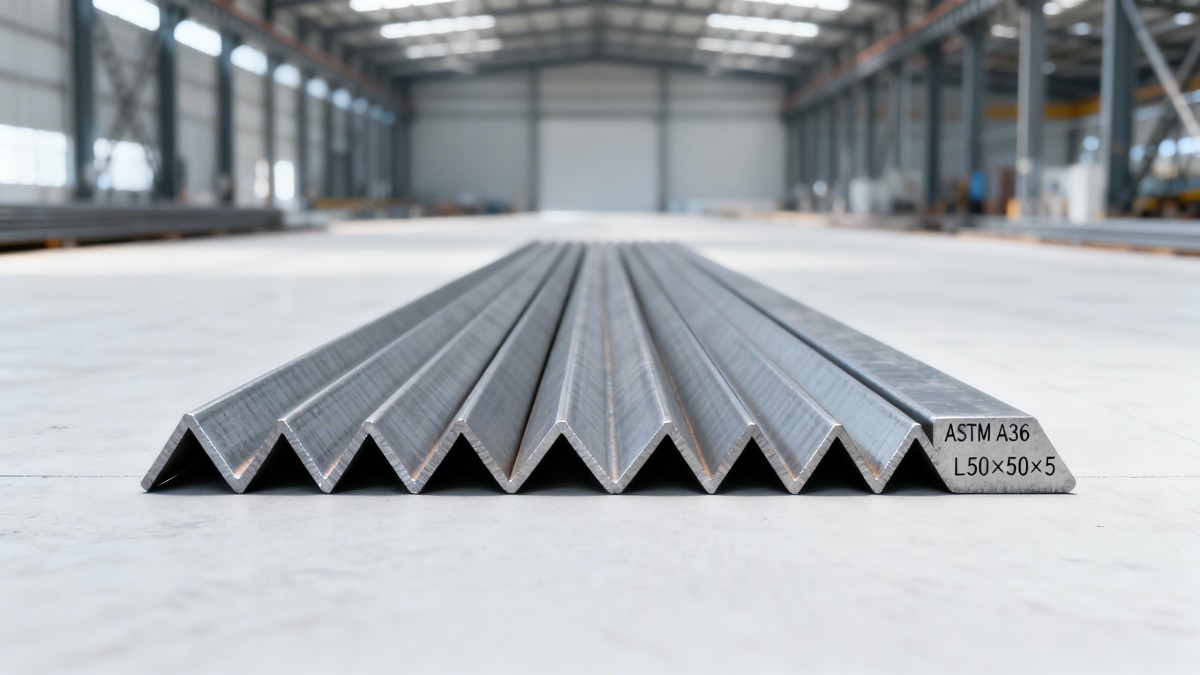
ASTM A36 is not a generic designation—it’s a performance standard with tightly controlled mechanical and chemical thresholds. Many buyers assume “mild steel” automatically qualifies, but real-world failures occur in over 30% of first-time imports when mill test reports lack full traceability or third-party verification. The root causes are rarely material defects—they’re documentation gaps, inconsistent heat treatment, or misaligned spec sheets.
Key failure triggers include sulfur content exceeding 0.050%, manganese variation beyond ±0.15% from nominal, and tensile strength falling outside the 58–80 ksi range—even if yield strength meets 36 ksi. These deviations may pass internal QA but trigger automatic rejection during port-side inspection under ASTM E29 or ISO/IEC 17025 protocols.
At Huamate Steel, every ASTM A36-certified angle iron undergoes dual-stage validation: pre-shipment lab testing at our ISO 17025-accredited partner facility in Liaocheng, plus batch-level MTR cross-checking against EN 10204 3.1 certification requirements. This ensures compliance across U.S., EU, and GCC markets—where divergent enforcement thresholds exist.
The 5 Critical Inspection Points Buyers Overlook
Procurement and quality teams often focus only on yield strength—but ASTM A36 requires coordinated verification across five interdependent parameters. Missing any one invalidates the entire certification:
- Yield strength ≥ 36 ksi (250 MPa) — measured at 0.2% offset, not proportional limit
- Elongation ≥ 20% in 8 in (200 mm) gauge length — tested on transverse specimens only
- Carbon equivalent (CEV) ≤ 0.40% — calculated as C + Mn/6 + (Cr+Mo+V)/5 + (Ni+Cu)/15
- Sulfur & phosphorus combined ≤ 0.060% — critical for weldability and low-temp impact
- Surface finish per ASTM A6 — no laminations, scale pockets, or rolling defects > 0.2 mm depth
Failure in any of these areas typically stems from unverified supplier declarations—not inherent material flaws. That’s why Huamate Steel provides downloadable, timestamped MTRs with each shipment, including raw chemistry logs and tensile curve plots—not just summary tables.
ASTM A36 vs. Common Alternatives: When to Specify What
Choosing between ASTM A36, EN S235JR, or ASTM A572 Gr.50 isn’t about “better” or “worse”—it’s about matching application stress cycles, environmental exposure, and fabrication methods. Below is a comparative reference for structural engineers and procurement leads:
For projects requiring hot-dip galvanizing (e.g., outdoor infrastructure), ASTM A36 remains preferred due to its lower silicon content (<0.40%), reducing reactive layer thickness and minimizing spangling risk. For high-rise bracing or seismic frames, A572 Gr.50 offers better strength-to-weight ratio—but requires stricter welding preheat control. Huamate Steel maintains certified stock of all three grades, with lead times of 7–15 days for standard sizes.
How Huamate Steel Ensures First-Time Pass Rates
As a Liaocheng-based exporter embedded in China’s largest steel pipe ecosystem, we combine upstream mill partnerships with downstream logistics precision. Our ASTM A36 angle iron is sourced exclusively from mills holding GB/T 700 Q235B + ASTM A36 dual certification—and verified quarterly via unannounced audits.
Our 4-step compliance workflow includes: (1) Pre-production chemistry review using spectrometer data; (2) In-process tensile sampling at 3 production intervals per heat; (3) Final dimensional check per ASTM A6 tolerance bands (±0.03 in on leg width); (4) Batch-level MTR generation with digital signature and QR-linked lab reports. This reduces inspection hold time by up to 60% versus standard suppliers.
We also support custom requirements—including pre-galvanized angles meeting ASTM A123, or laser-cut profiles with ±0.2 mm edge tolerance. For urgent projects, our Liaocheng warehouse holds 200+ tons of ready-to-ship ASTM A36 angles (25×25×3 mm to 200×200×20 mm), enabling 3–5 day dispatch for FOB Qingdao or LCL consolidation.
Need help verifying your current angle iron specs—or selecting the right grade for corrosion resistance, weldability, or load-bearing capacity? Contact our technical export team for free MTR review, ASTM A36 compliance gap analysis, or sample requests—including certified Galvanized Sheet for complementary cladding applications.
FAQ: Top Questions from Procurement & Engineering Teams
Can ASTM A36 angle iron be used for galvanizing without pre-treatment?
Yes—but only if silicon content is confirmed ≤0.04% (Sandelin range) or ≥0.15% (reactive range). Huamate Steel provides silicon-specific MTRs upon request to prevent matte gray or brittle coatings.
What’s the typical lead time for custom-sized A36 angles with mill test reports?
Standard sizes: 7–10 working days. Custom lengths or thicknesses: 12–18 days. All shipments include EN 10204 3.1 MTRs and optional SGS/BV third-party inspection.
Do you supply ASTM A36 with Charpy V-notch impact testing for low-temperature service?
Yes—we offer A36 with -20°C impact testing (min. 27 J average) as a value-added option. Requires minimum order of 5 metric tons and 10-day advance notice.
Recent Posts
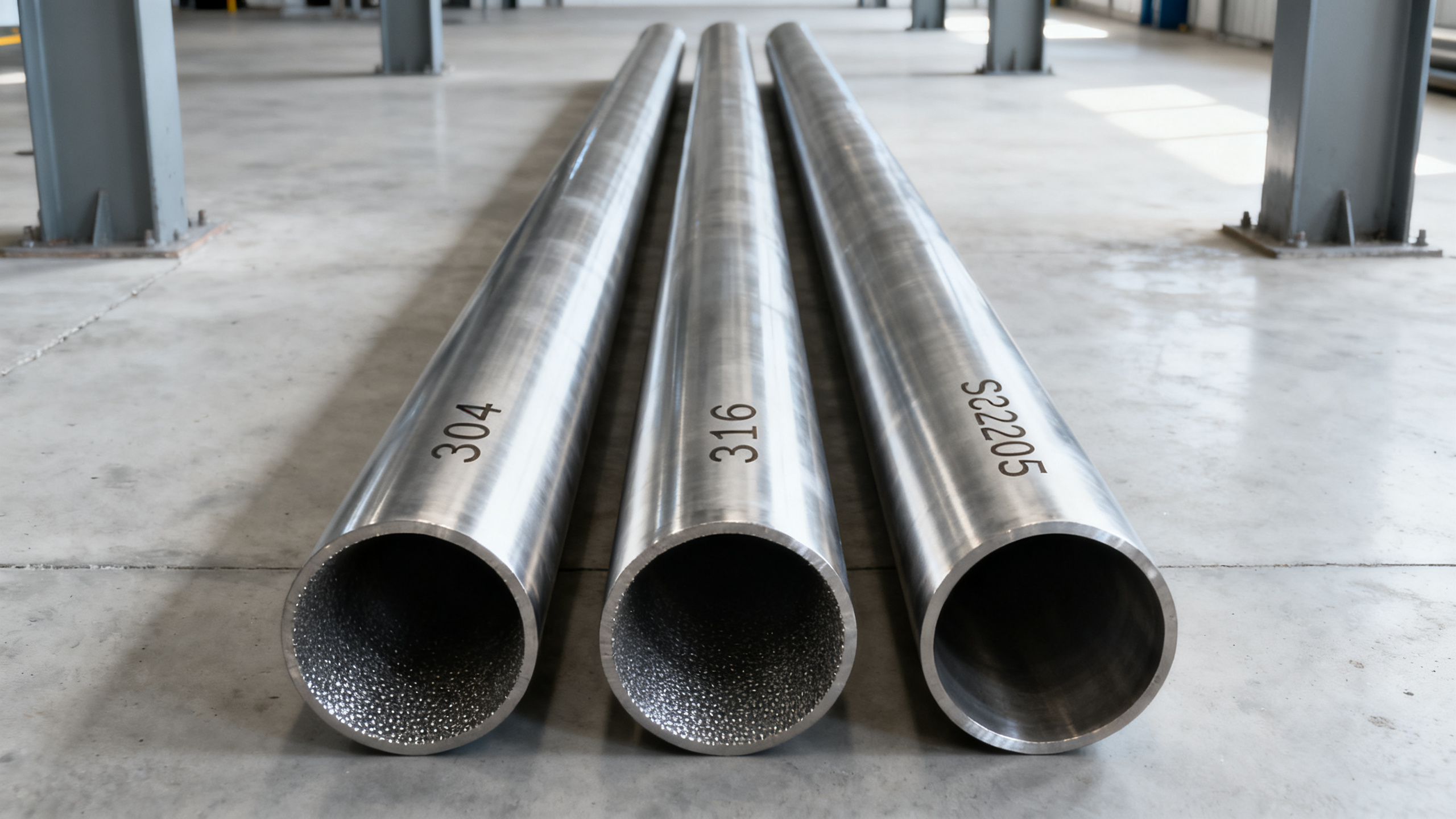
 Why stainless steel pipe corrosion resistance varies by grade in 2026Apr 14, 2026
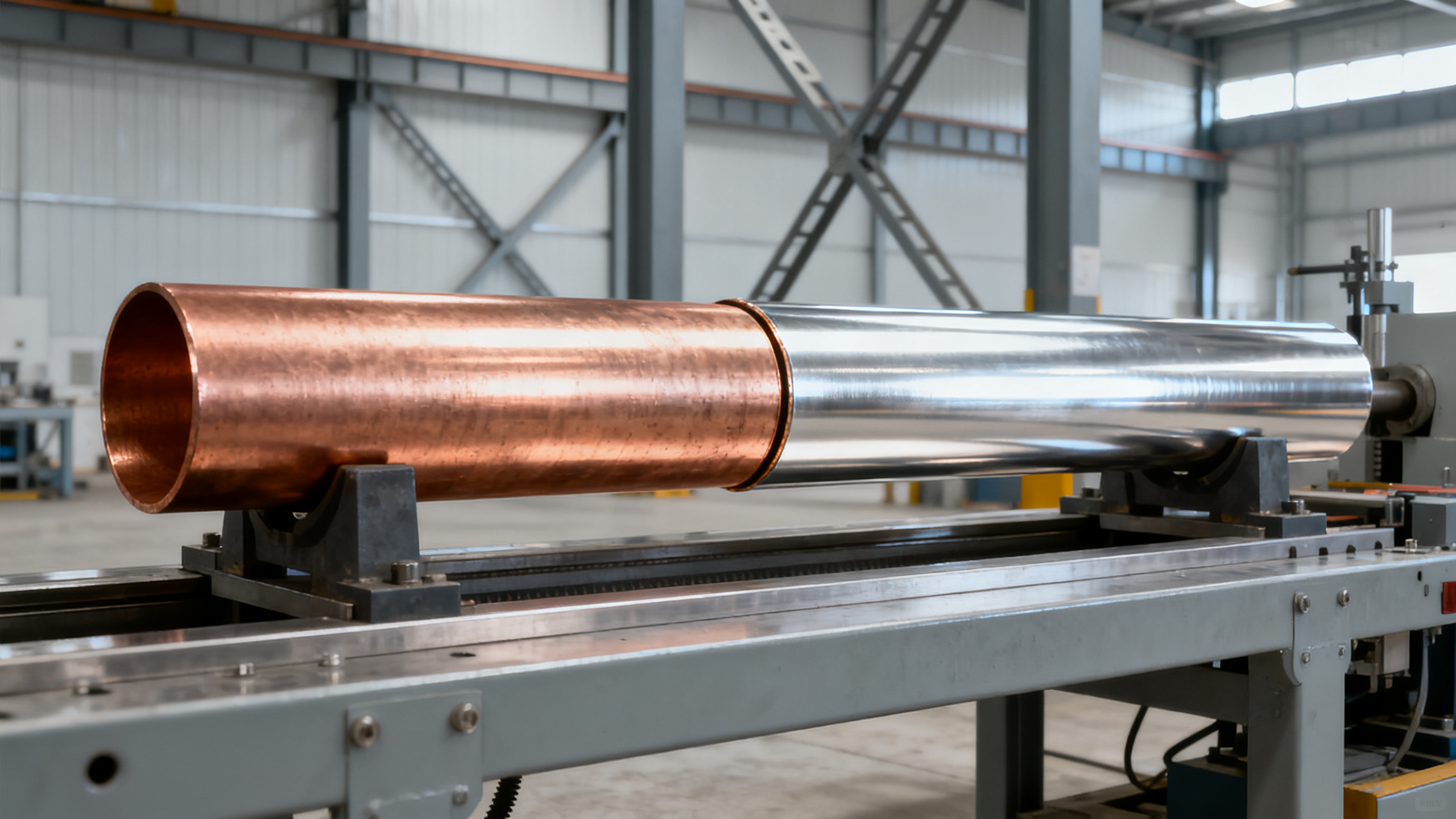
 Copper tube thermal expansion rates differ significantly between annealed and hard-drawn statesApr 14, 2026
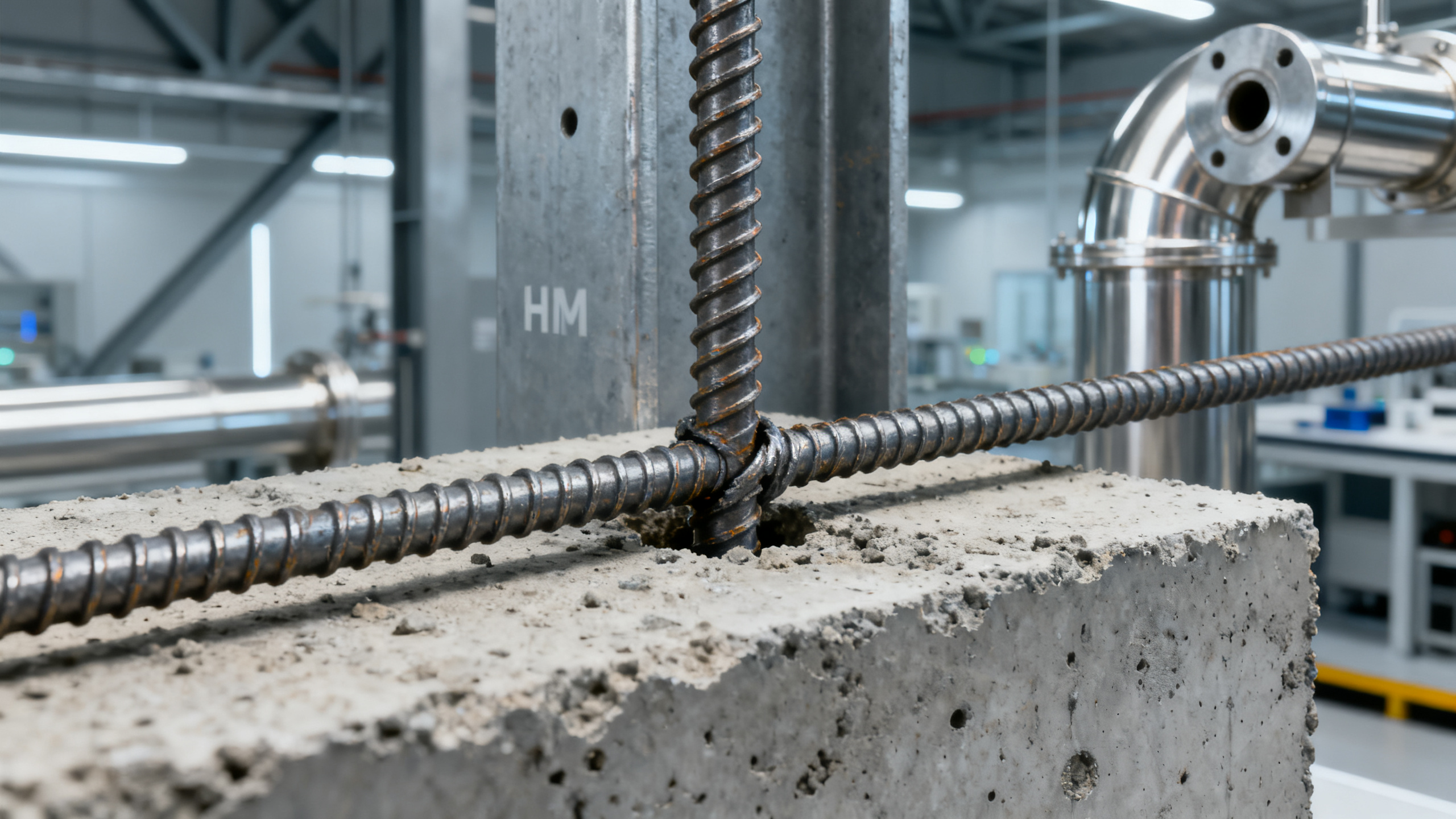
 Steel rebar yield strength testing often misses real-world bond performanceApr 14, 2026
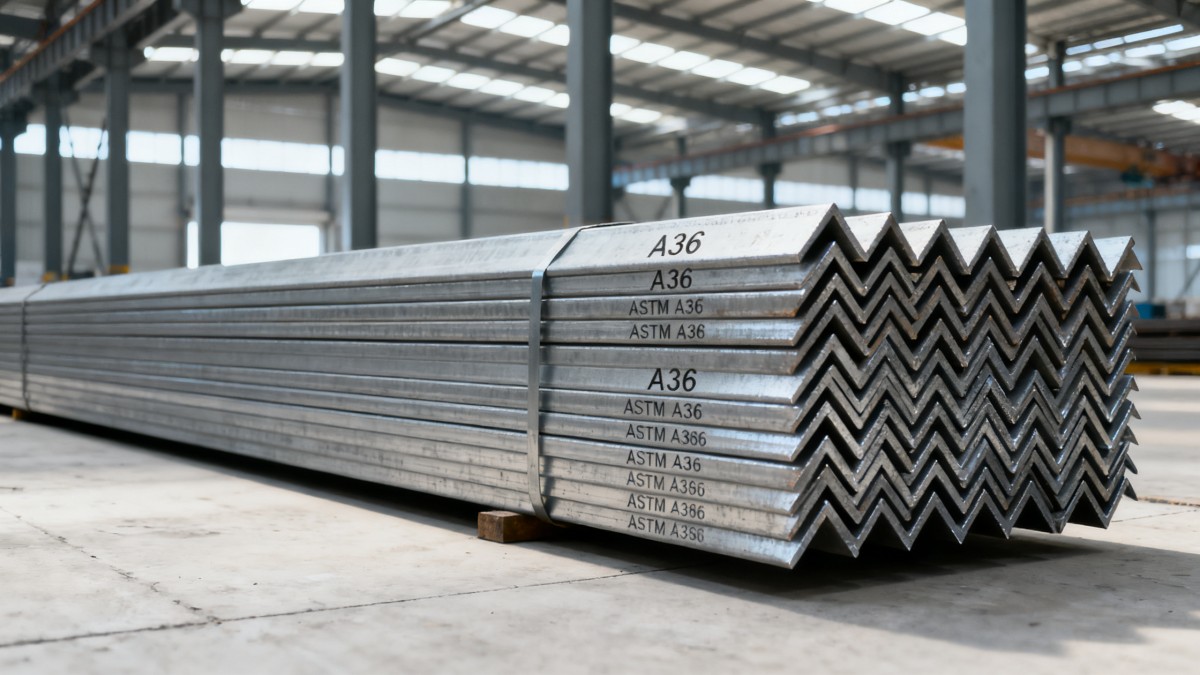
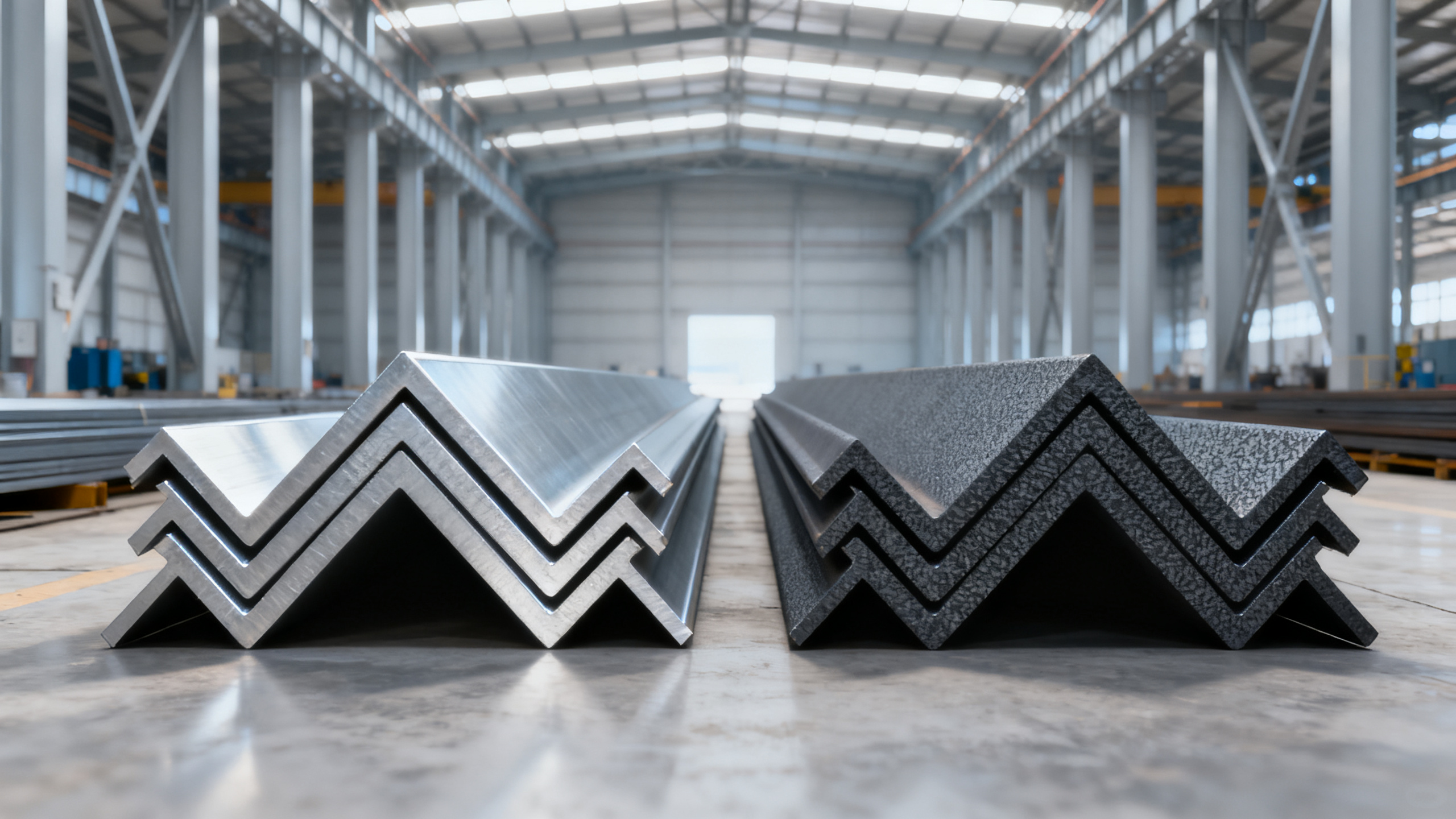
 Angle bar vs. mild steel angle: Which delivers better weldability for structural framing?Apr 14, 2026
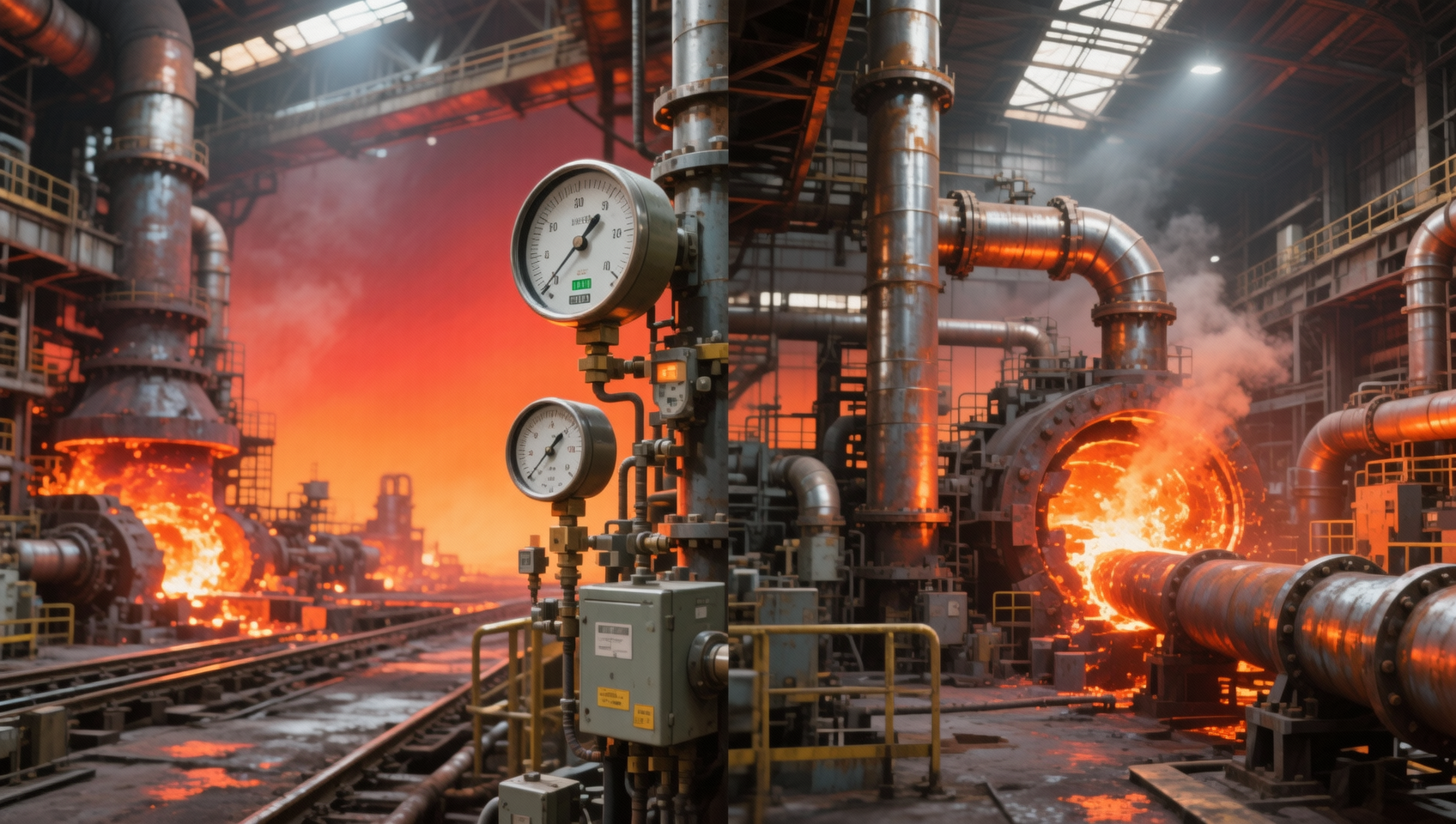
 Jharkhand Steel Plant Blast: 1 Dead, 7 Injured, NHRD Probe LaunchedApr 13, 2026
Leave a Message
Thank you for your interest in our products. "*" Indicates the Fields are Mandatory