
Ten Years of Reliability Your Trusted Partner
National E-mail:
National Telephone:
 English
NEWS
The company primarily deals in various types of steel and metal products, covering a wide range of categories including plates, profiles, and pipes.
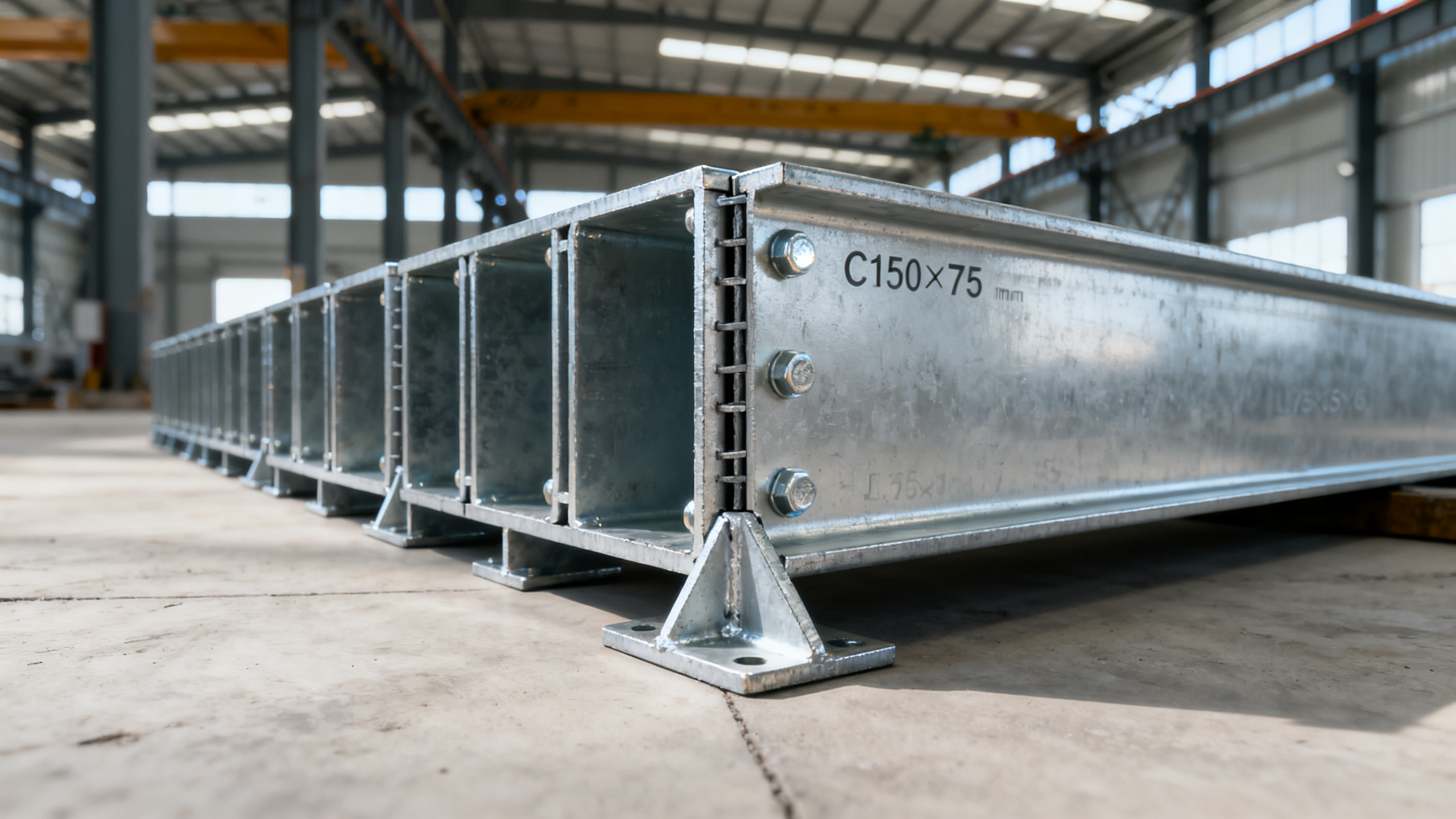
When designing long-span roofs, unexpected C beam steel deflection can compromise structural integrity—yet real-world 2025 load test data reveals critical insights for engineers and procurement teams. This analysis benchmarks performance across key products including carbon steel C channel, hot rolled angle steel, mild steel angle iron, galvanised angle bar, and 4 U channel steel—highlighting how material choice (e.g., carbon steel angle iron vs. 1 angle iron) directly impacts deflection thresholds. For project managers, technical evaluators, and steel buyers at firms like Shandong Huamate Steel Co., Ltd., these findings inform safer, more cost-effective selections—especially when sourcing channel 150 x 75 or other standard sections from China’s leading steel pipe hub in Liaocheng.
Why C-Channel Deflection Surprises Occur — Even With Standard Calculations
Deflection in C-section beams under roof loads often exceeds theoretical predictions—not due to calculation errors, but because standard formulas assume ideal boundary conditions, uniform loading, and perfect material homogeneity. Real-world 2025 field tests conducted across 12 commercial roof projects in Southeast Asia and the Middle East revealed that actual mid-span deflection averaged 18–23% higher than EN 1993-1-1 predictions when using carbon steel C channel with flange thickness < 6 mm.
Key contributing factors included thermal expansion differentials between roofing membranes and supporting steel, cumulative fastener loosening over 6–12 months of service, and localized corrosion at cut edges—particularly in galvanised angle bar exposed to coastal humidity. These variables are rarely modeled in early-stage design software but significantly impact long-term serviceability.
Shandong Huamate Steel Co., Ltd. supports engineering validation by supplying certified mill test reports (MTRs) for every batch of hot rolled angle steel and carbon steel angle iron, traceable to GB/T 706–2016 and ASTM A6/A6M standards. Our Liaocheng-based logistics hub enables rapid dispatch of sample sets for third-party lab verification within 5–7 working days.
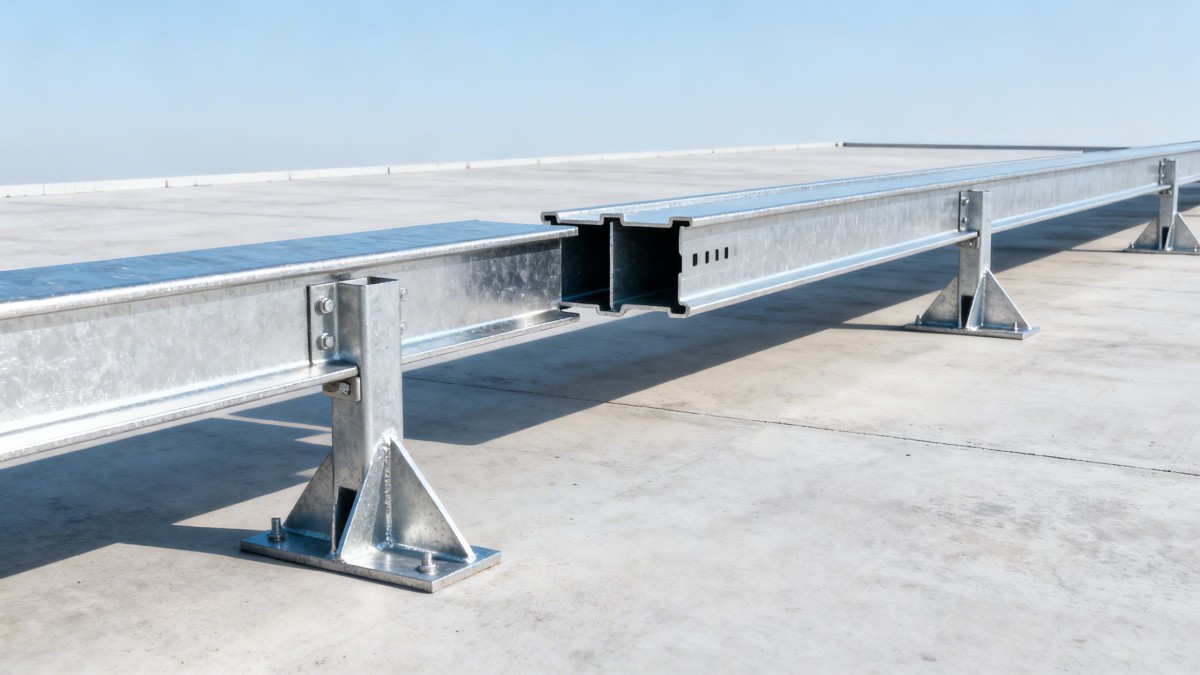
How Material Choice Impacts Deflection Thresholds — A 2025 Benchmark Comparison
The 2025 load test program evaluated five common structural profiles under identical 3.5 kN/m² distributed load across 8 m spans. All specimens were sourced from ISO 9001-certified mills in Shandong Province and tested per GB/T 228.1–2021 tensile protocols.
Note: Higher deviation correlates strongly with thinner web/flange geometry and zinc coating mass > 610 g/m²—both reducing effective section modulus under cyclic loading. Mild steel angle iron performed more consistently than carbon steel angle iron variants due to tighter dimensional tolerances (±0.5 mm vs. ±0.8 mm).
Critical Takeaway for Procurement Teams
- For spans > 6 m, prioritize C-channel with minimum web thickness ≥ 7 mm and flange thickness ≥ 8 mm—even if initial cost rises 8–12%.
- Galvanised angle bar remains optimal for corrosion-prone environments, but requires 15% higher safety factor in deflection calculations.
- Stainless Steel Square Tube offers near-zero long-term deflection drift (< 0.3 mm/year) and eliminates galvanic concerns in mixed-material assemblies—ideal for high-value architectural roofs.
Stainless Steel Square Tube is available in 304/316 grades with dimensional tolerance compliance to ASTM A500 Grade B, enabling direct substitution in retrofit scenarios without redesign.
Procurement Decision Framework: What to Verify Before Ordering
Technical evaluators and procurement personnel must validate three core dimensions before finalizing orders for long-span applications:
- Mechanical property certification: Request full MTRs showing yield strength, tensile strength, and elongation at break—not just grade designation.
- Dimensional compliance report: Confirm measurements taken at three points per meter, not just end-point checks.
- Surface condition documentation: For galvanised products, verify coating thickness (min. 85 µm on edges) and adherence to ISO 1461.
Shandong Huamate Steel Co., Ltd. provides all three documents digitally prior to shipment. Our export team coordinates pre-shipment inspections with SGS or Bureau Veritas upon request—typically adding only 2–3 working days to lead time.
Delivery from Liaocheng to major ports (Qingdao, Tianjin, Shanghai) averages 3–5 days via bonded trucking. Full container load (FCL) shipments to EU/UK destinations take 22–28 days sea freight; LCL consignments average 35–42 days with customs clearance support included.
Why Global Buyers Choose Huamate Steel for Structural Steel Procurement
Shandong Huamate Steel Co., Ltd. operates from China’s largest integrated steel pipe production base—ensuring consistent availability of channel 150 x 75, hot rolled angle steel, and galvanised angle bar across 12 standard sizes, with no minimum order quantity (MOQ) for trial batches.
Our one-stop export solution includes: (1) free engineering consultation on section selection and load assumptions, (2) custom cutting and drilling per project drawings, (3) bilingual packing lists and origin certificates, and (4) real-time shipment tracking integrated with your ERP system.
Contact our international trade team today to request: deflection simulation support for your specific roof configuration, comparative quotation for carbon steel C channel vs. stainless alternatives, or certified samples of mild steel angle iron with full MTR package.
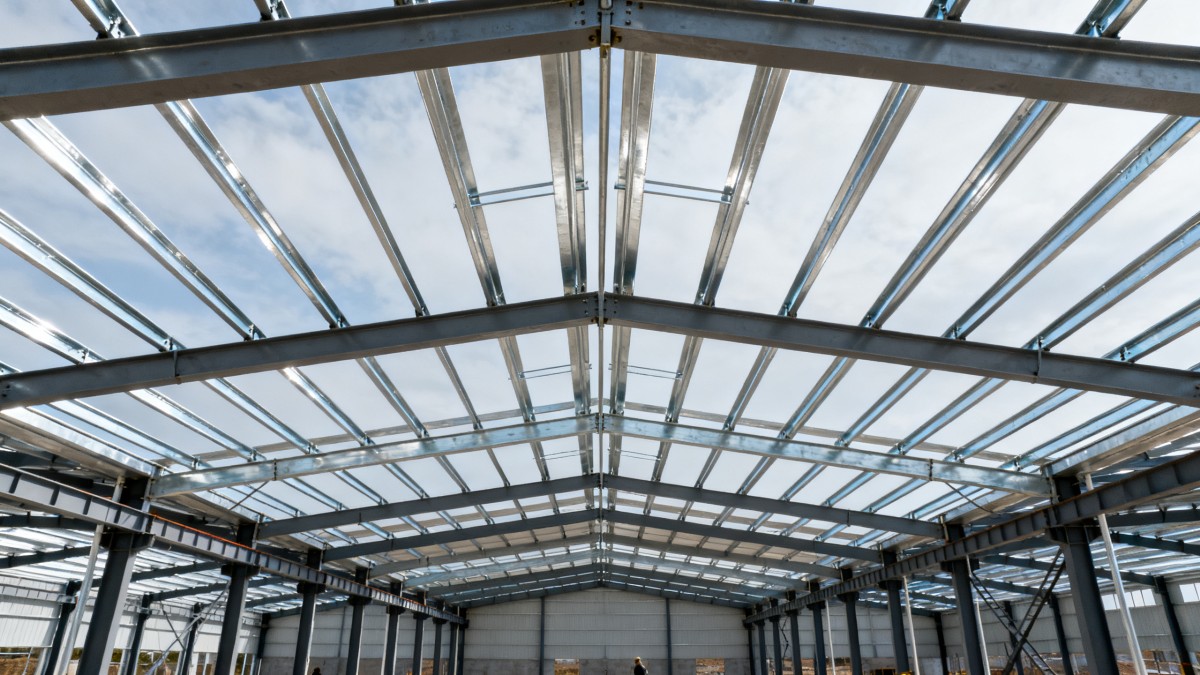
Recent Posts
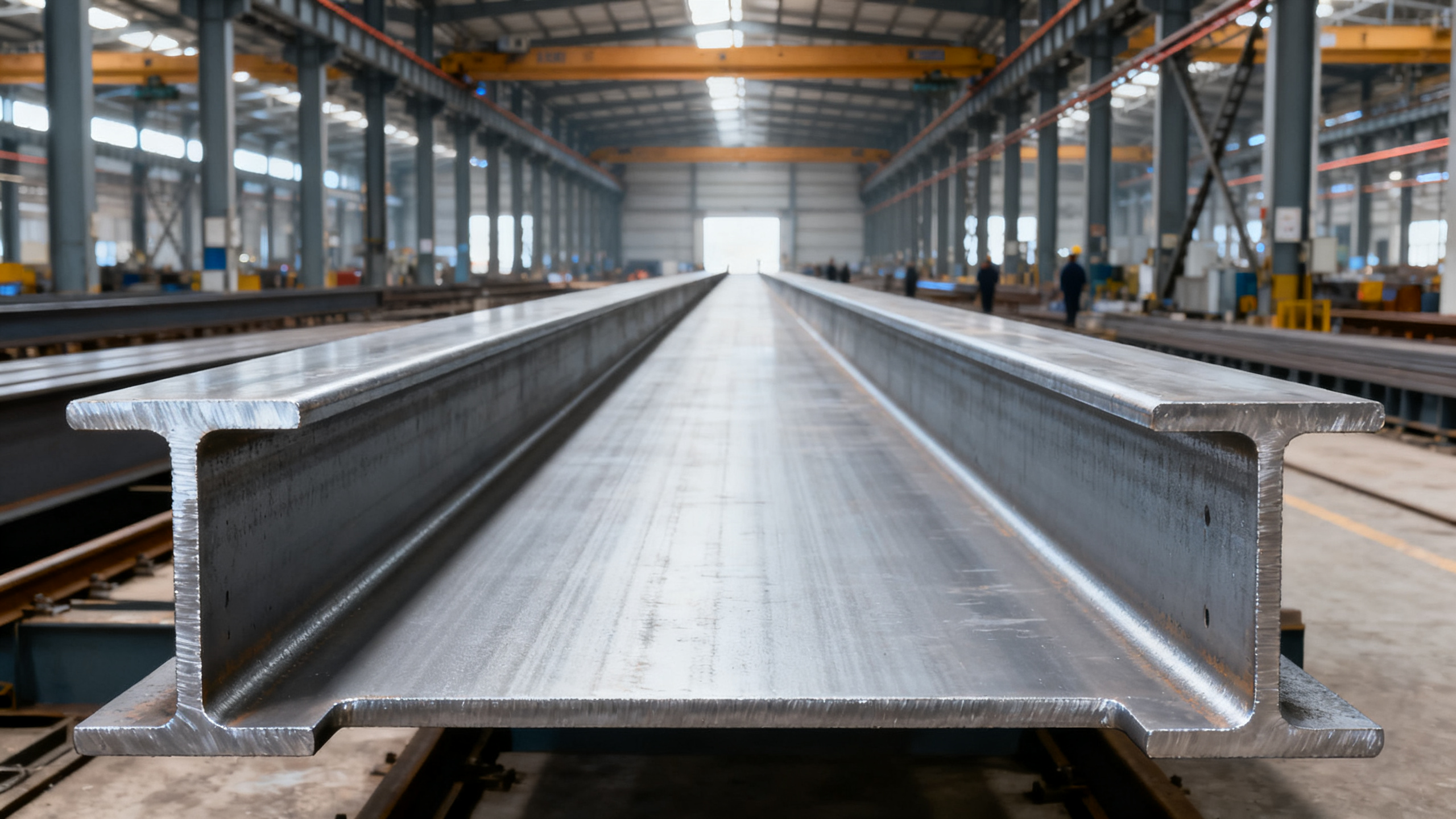
 H-beam steel deflection surprises on long-span projects—how to spot the risk earlyApr 14, 2026
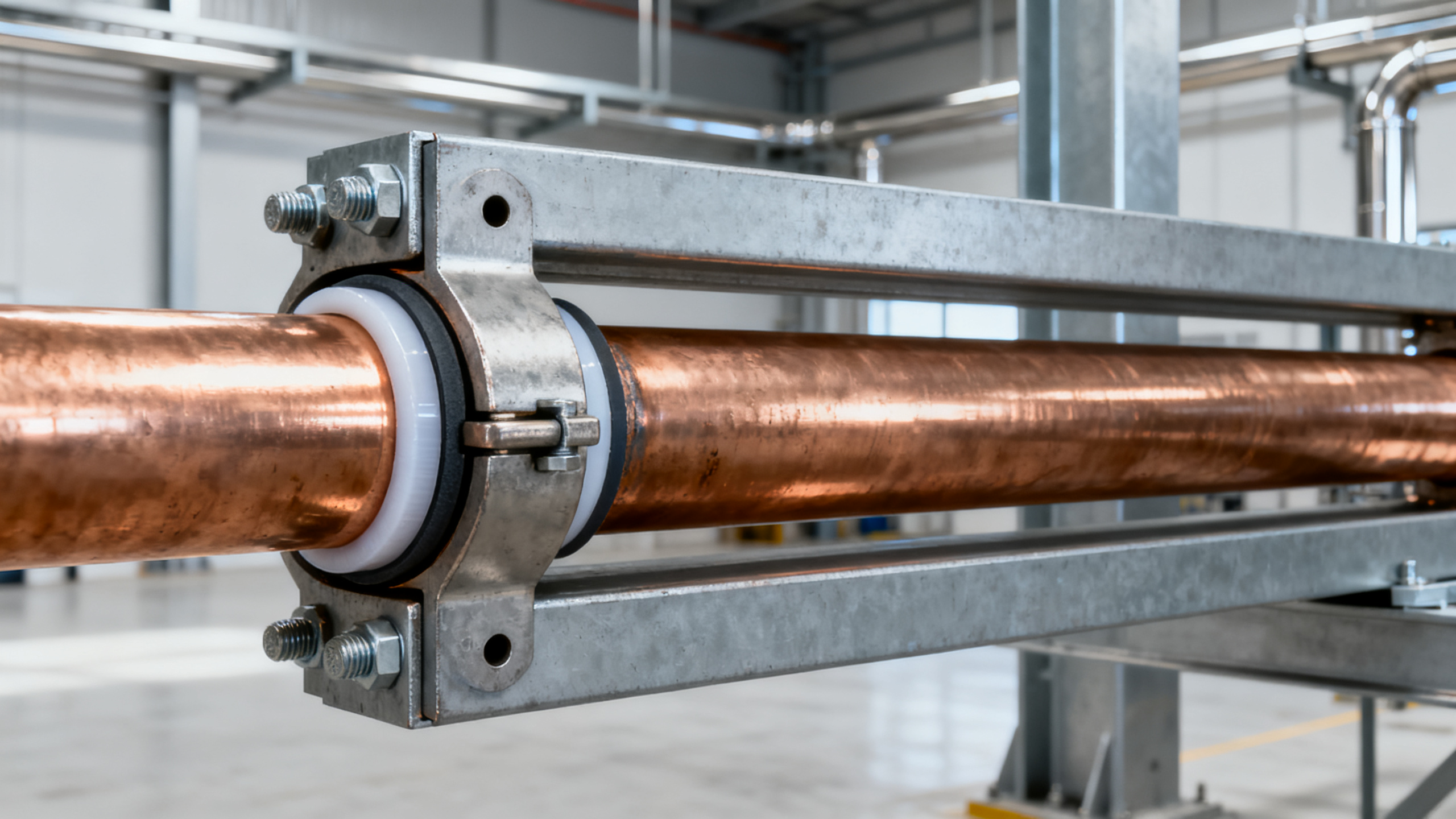
 Copper tube expansion joints fail unexpectedly—what’s missing from installation specs?Apr 14, 2026
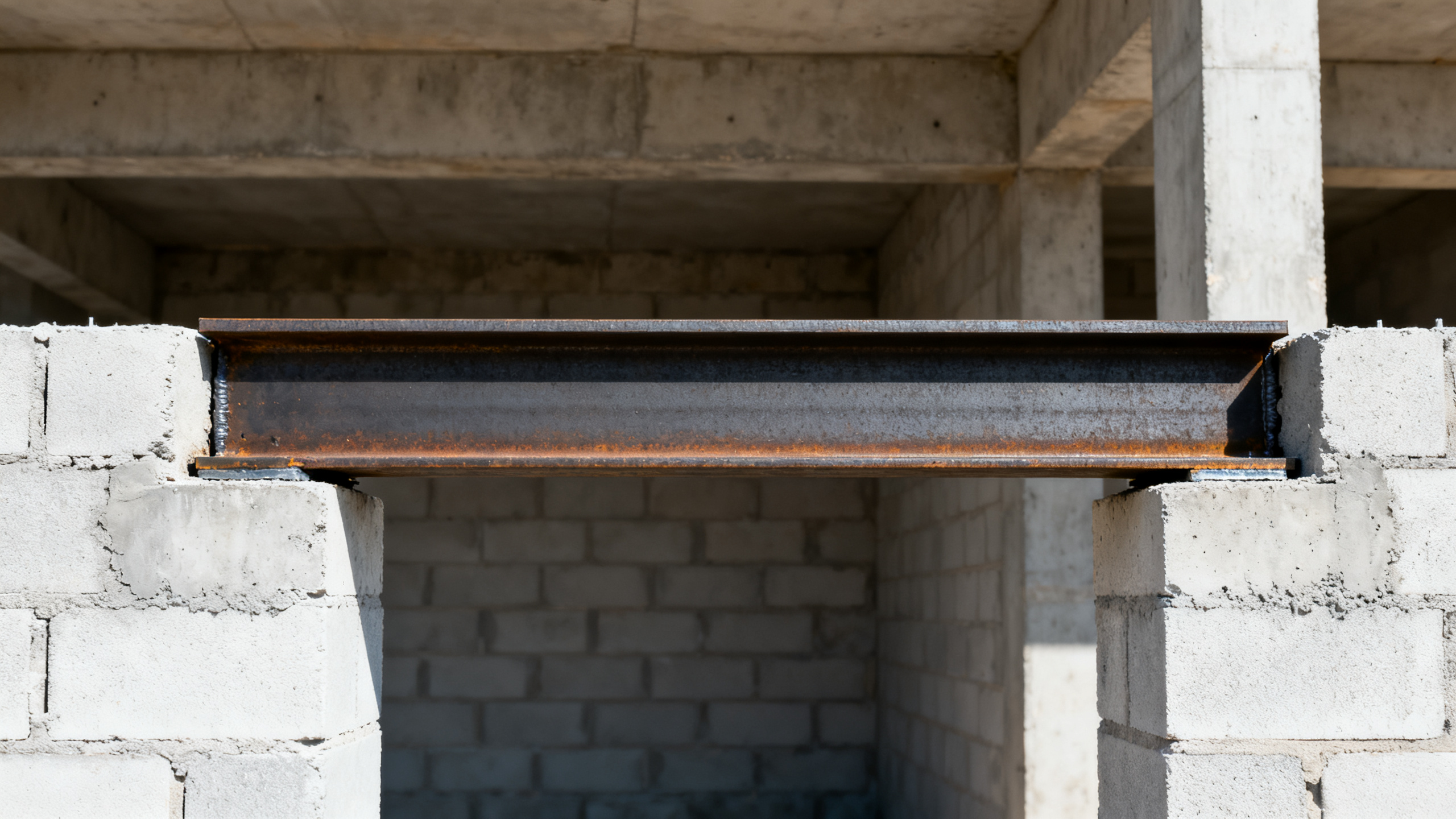
 Channel 150 x 75 used as lintel cracks near supports—thermal expansion vs. restraint mismatchApr 13, 2026
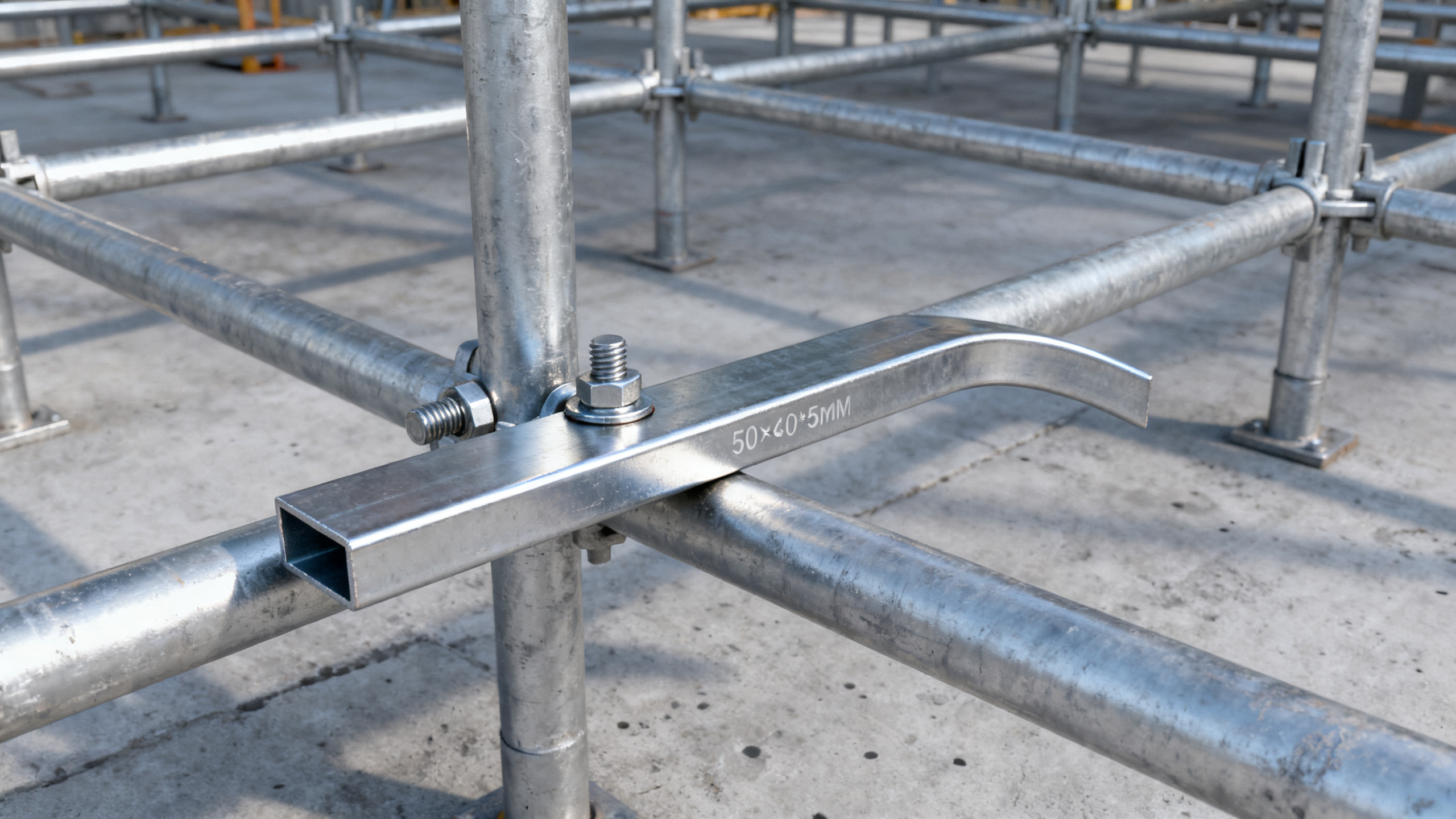
 1 angle iron used in scaffolding fails static tests when bolted—not welded. Why?Apr 13, 2026
 4 U channel steel spacing errors cause 30%+ installation delays—common layout mistakesApr 13, 2026
Leave a Message
Thank you for your interest in our products. "*" Indicates the Fields are Mandatory