
Ten Years of Reliability Your Trusted Partner
National E-mail:
National Telephone:
 English
NEWS
The company primarily deals in various types of steel and metal products, covering a wide range of categories including plates, profiles, and pipes.
Choosing between structural steel channel and angle steel—such as mild steel angle, hot rolled angle, or galvanised steel angle—is a critical decision for engineers, procurement teams, and project managers. Whether you need load-bearing support in construction, framing for industrial machinery, or corrosion-resistant components for infrastructure, each profile offers distinct advantages in strength, weldability, and cost-efficiency. At Shandong Huamate Steel Co., Ltd., we supply premium rolled steel angle, angle bar, and structural steel channel—backed by rigorous quality control and global logistics—to help technical evaluators and buyers make informed, value-driven selections. Explore when to use angle steel vs. channel steel—and why material specs like mild steel angle price matter.
Structural Steel Channel vs. Angle Steel: Core Functional Differences
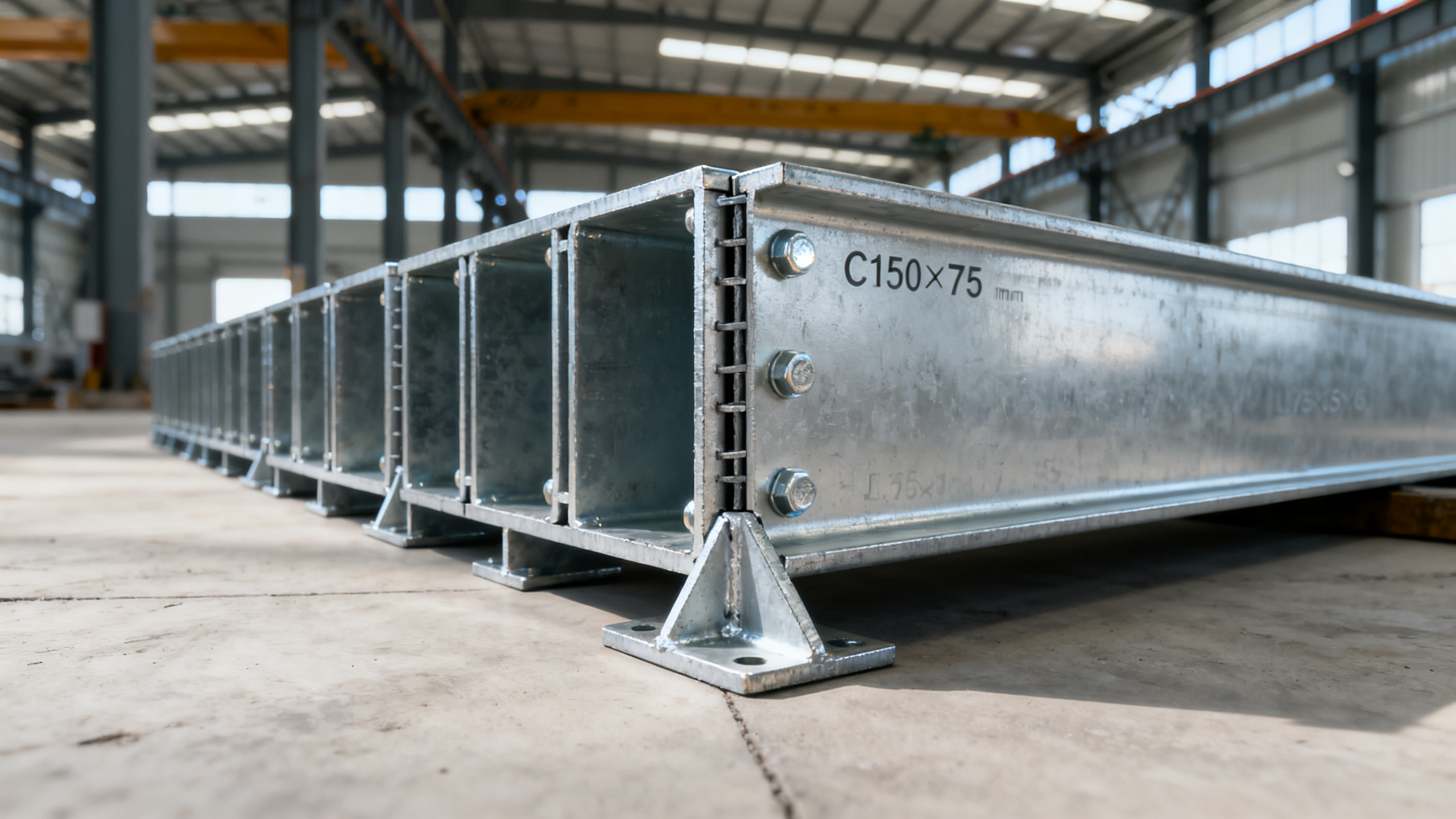
Structural steel channel (often designated as C-section or U-channel) features a symmetrical “C”-shaped cross-section with parallel flanges and a web connecting them. Its geometry delivers high moment of inertia about the major axis—ideal for bending resistance in horizontal beams or vertical columns where lateral stability matters. Standard hot-rolled channels range from 50×37×4.5 mm to 200×76×7.0 mm (depth × flange width × web thickness), with yield strengths typically ≥235 MPa per ASTM A6/A6M or GB/T 706–2016.
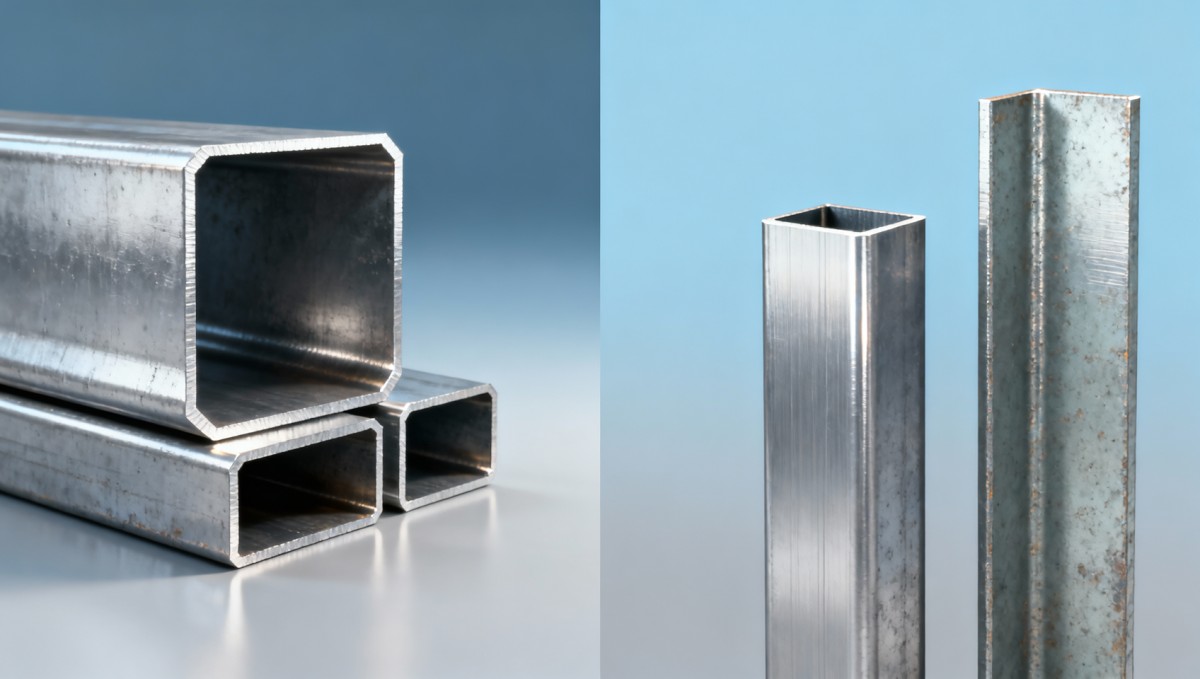
Angle steel—available as equal-leg (e.g., 50×50×5 mm) or unequal-leg (e.g., 75×50×6 mm)—has an L-shaped cross-section formed by two perpendicular legs. Its torsional rigidity is lower than channel steel, but its open geometry enables easy bolting, welding, and integration into bracing systems. Mild steel angle, hot rolled angle, and galvanised steel angle each serve different environmental and service-life requirements: galvanised variants offer ≥85 µm zinc coating per ISO 1461, extending outdoor service life to 20+ years in rural atmospheres.
Crucially, neither profile is universally superior—their suitability depends on loading direction, connection method, fabrication constraints, and lifecycle cost. For example, in roof purlin applications, channel sections resist downward wind loads more efficiently, while angle steel excels in diagonal bracing where axial tension/compression dominates.
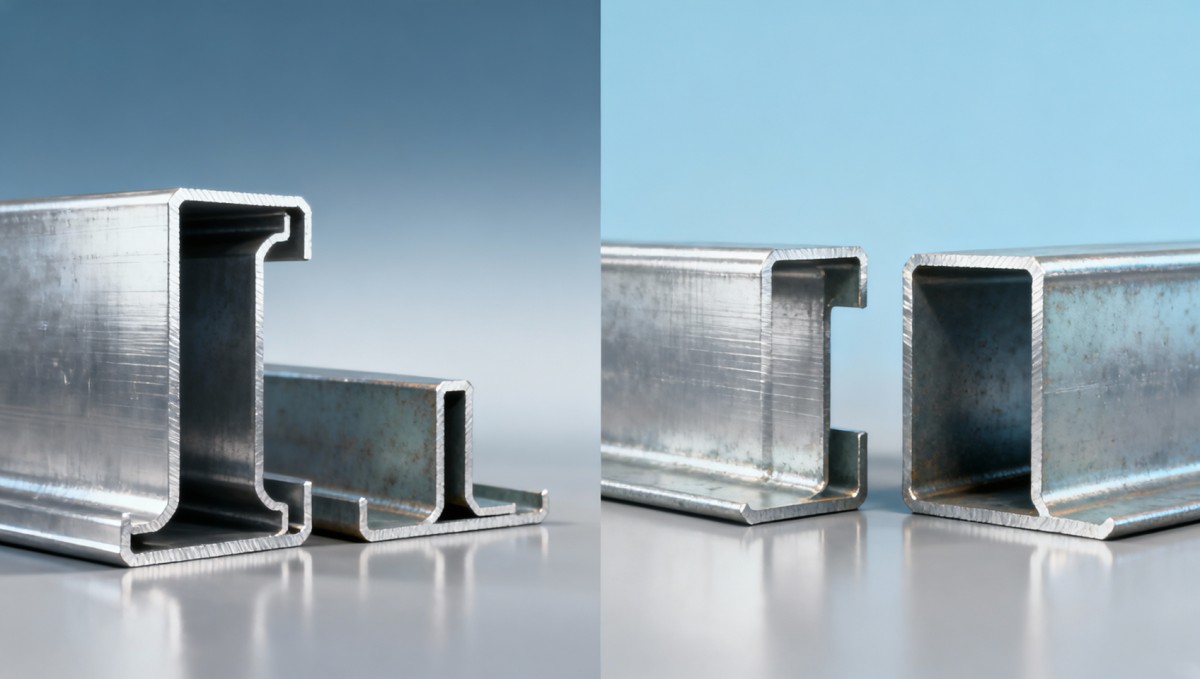
This comparison highlights that structural steel channel provides superior flexural stiffness in one plane, whereas angle steel offers greater adaptability in multi-directional connections. Procurement teams evaluating Angle Steel must weigh not just unit price, but total installed cost—including labor time for alignment, number of fasteners required, and long-term maintenance frequency.
Application-Specific Selection Criteria
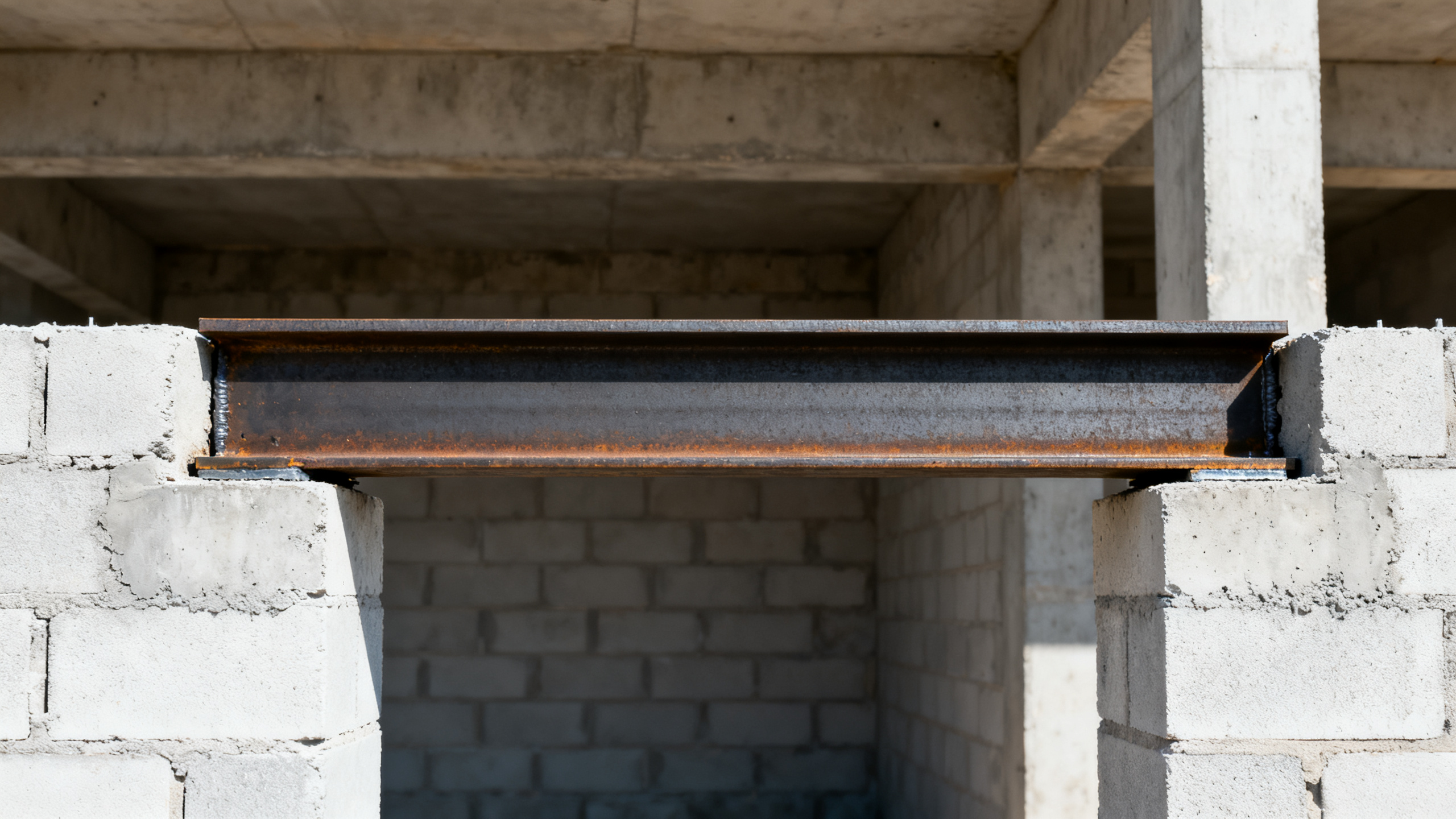
In building frameworks, channel sections dominate for primary lintels, crane rails, and mezzanine supports—especially where uniform load distribution across a wide flange is essential. Their closed web design also resists buckling under compressive loads exceeding 120 kN in standard 120×53×5.4 mm sections (per EN 1993-1-1 verification).
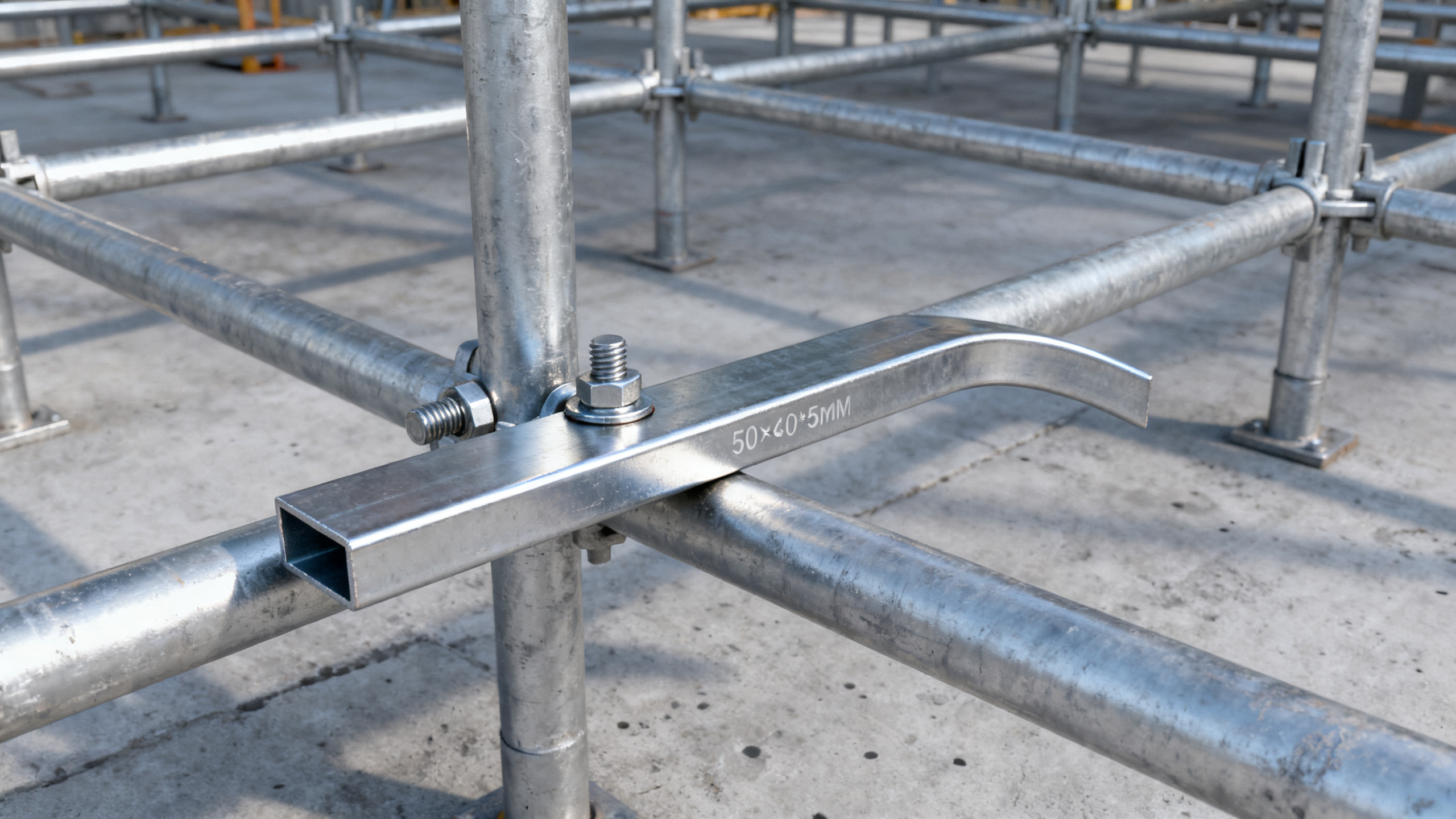
Conversely, angle steel is preferred in scaffolding, transmission towers, and equipment skids due to its lightweight-to-strength ratio and ease of field assembly. For instance, a 63×63×5 mm hot rolled angle achieves ~4.9 kg/m mass while supporting 75 kN axial compression over 3 m unbraced length—making it ideal for temporary works requiring rapid deployment and disassembly.
Corrosion exposure further narrows selection. Galvanised steel angle is mandatory in coastal infrastructure projects (e.g., port cranes, seawater pipelines), where chloride-induced pitting exceeds 0.5 mg/cm²/day. In contrast, painted channel steel may suffice for interior dry environments with humidity <60% RH and no chemical fumes.
Procurement & Supply Chain Considerations
Lead times vary significantly by specification: standard hot rolled angle in common sizes (e.g., 50×50×5 mm) ships within 7–15 days from Liaocheng stockyards, while custom-cut, pre-galvanised channel sections require 25–35 calendar days due to coating line scheduling and quality inspection cycles.
Shandong Huamate Steel Co., Ltd. maintains direct partnerships with top-tier mills including Shougang Group and Baosteel, enabling MOQ flexibility—from 1-ton spot orders for R&D prototypes to 500-ton containerized shipments for turnkey infrastructure contracts. All exports comply with ISO 9001:2015 certified traceability protocols, with mill test reports (MTRs) provided for every batch.
Financial approvers should note that while mild steel angle price appears lower per ton (typically $520–$680/MT FOB China), total landed cost—including customs duties (5–12% depending on destination), inland freight ($45–$110/20ft container), and local handling—can shift the breakeven point toward channel steel when structural efficiency reduces secondary fabrication hours by ≥30%.
Project managers benefit from Huamate’s one-stop export service—covering dimensional validation, third-party inspection (SGS/BV), and CIF documentation—all coordinated within 5 working days post-order confirmation.
Quality Assurance & Compliance Verification
All structural steel channel and angle steel supplied by Huamate undergoes 100% dimensional check (±0.5 mm tolerance on leg thickness), ultrasonic testing for internal defects (per ASTM E213), and tensile sampling (3 specimens/batch). Chemical composition adheres strictly to GB/T 700–2006 (carbon ≤0.22%, manganese 0.30–0.65%) to ensure predictable weldability and ductility.
Safety-critical applications—such as oil & gas platforms or seismic-resistant buildings—require additional certifications: API RP 2A for offshore structures or GB 50017–2017 Annex B for fatigue-prone joints. Huamate’s QA team provides full compliance mapping reports at no extra charge.
For distributors and agents, we offer co-branded technical datasheets, multilingual installation guides, and quarterly market updates on regional pricing trends—supporting downstream sales with authoritative, localized content.
Making Your Final Decision: A Practical Framework
Begin with load path analysis: if >70% of the design load transfers via bending, prioritize channel steel. If >65% is axial or requires triangulated bracing, angle steel is likely optimal. Cross-check against three operational thresholds: maximum allowable deflection (L/360 for floors), fire-resistance duration (≥60 min for commercial buildings), and minimum maintenance interval (≥5 years for remote installations).
Then engage Huamate’s engineering support team. We provide free preliminary section selection reports—including comparative weight, estimated weld time, and corrosion allowance calculations—within 48 business hours. Our trade specialists also simulate landed cost scenarios across 12 major import markets, helping finance and procurement align on TCO—not just headline pricing.
Whether you're specifying for a new solar farm in Spain, upgrading a textile mill in Vietnam, or sourcing for rail infrastructure in Kenya, Shandong Huamate Steel delivers precision-engineered structural steel channel and reliable Angle Steel, backed by China’s most integrated steel ecosystem and proven global logistics. Contact us today for your customized material solution—engineered for performance, priced for value, delivered without compromise.
Recent Posts
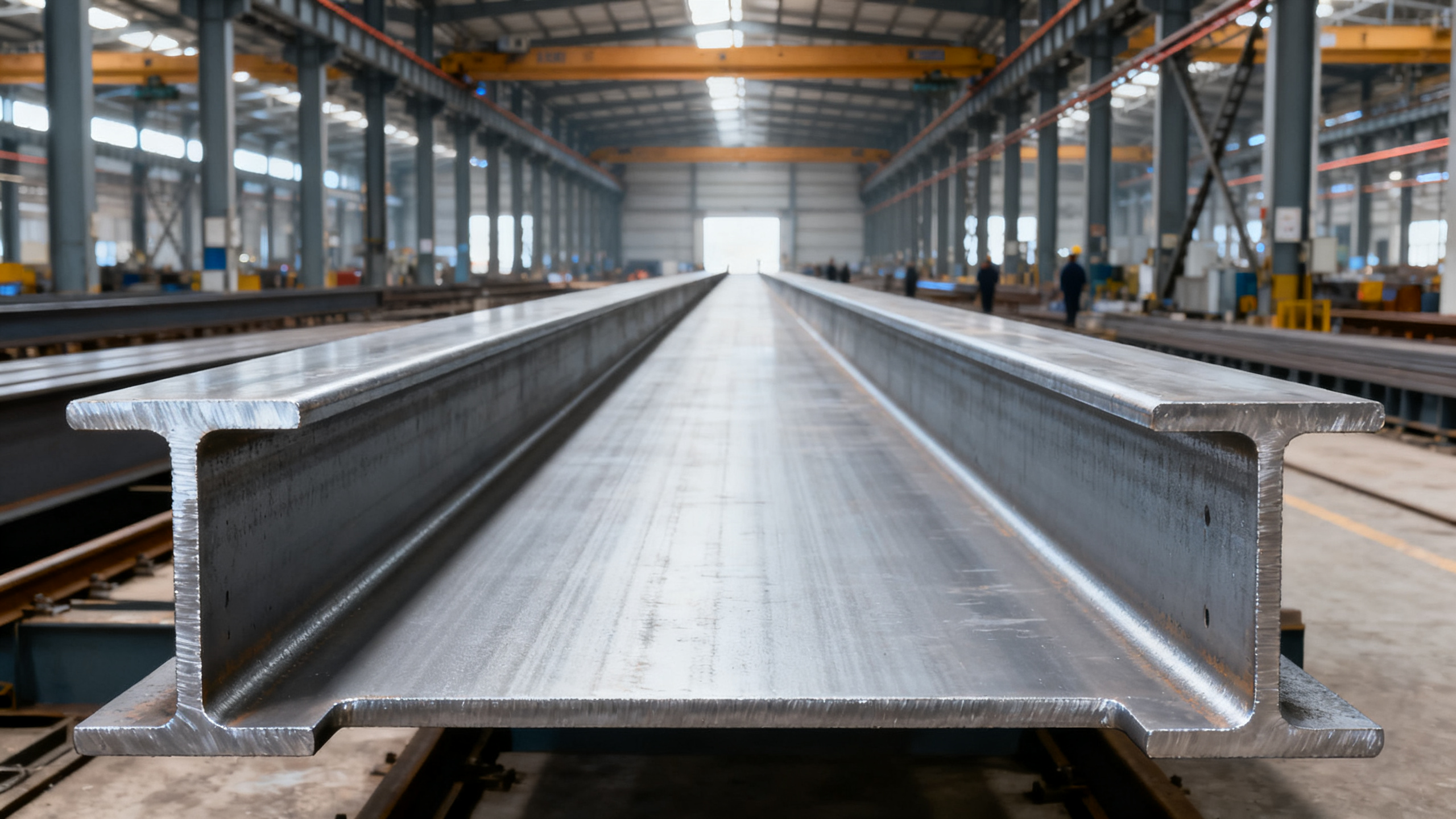
 H-beam steel deflection surprises on long-span projects—how to spot the risk earlyApr 14, 2026
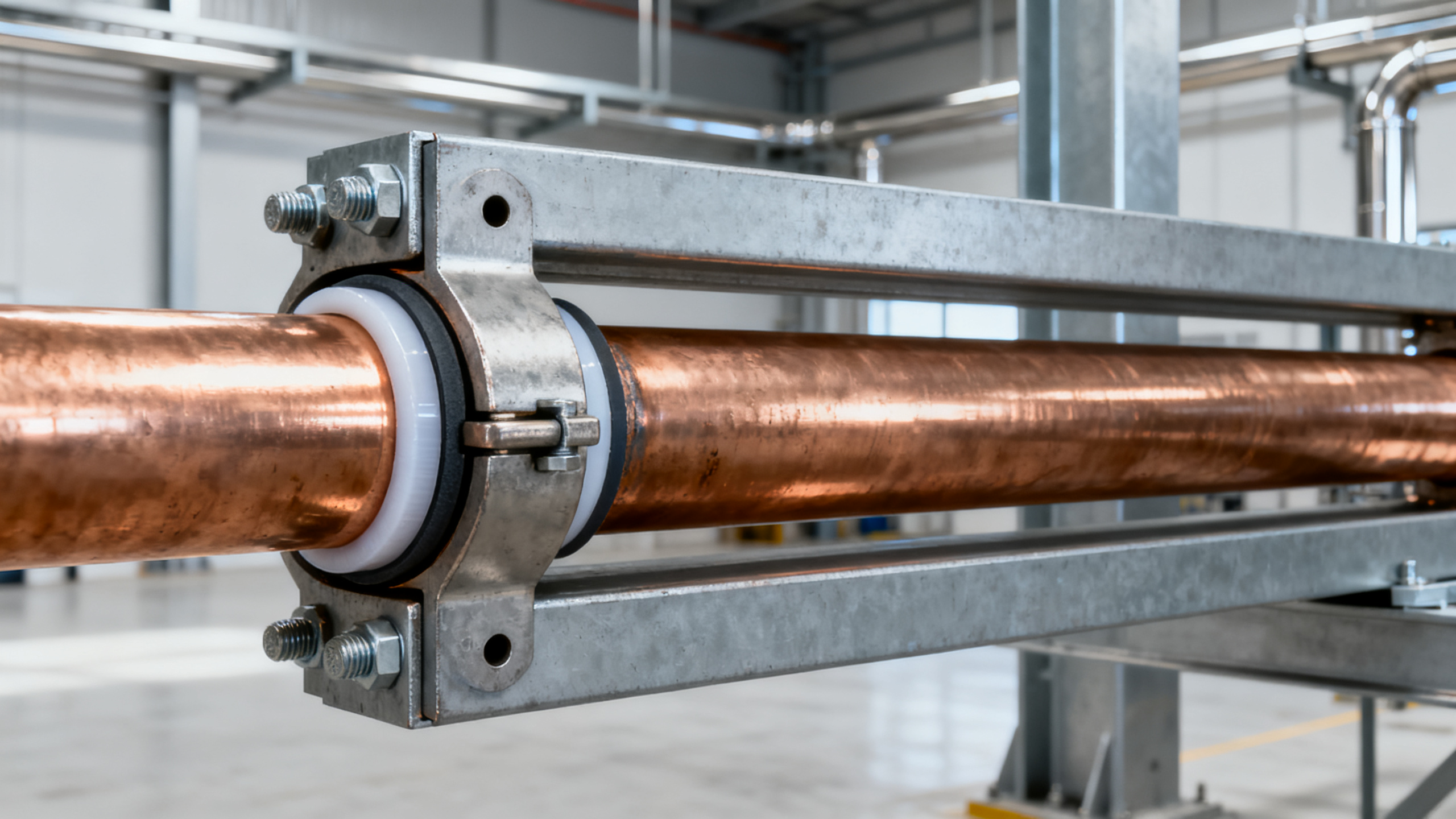
 Copper tube expansion joints fail unexpectedly—what’s missing from installation specs?Apr 14, 2026
 Channel 150 x 75 used as lintel cracks near supports—thermal expansion vs. restraint mismatchApr 13, 2026
 1 angle iron used in scaffolding fails static tests when bolted—not welded. Why?Apr 13, 2026
 4 U channel steel spacing errors cause 30%+ installation delays—common layout mistakesApr 13, 2026
Leave a Message
Thank you for your interest in our products. "*" Indicates the Fields are Mandatory